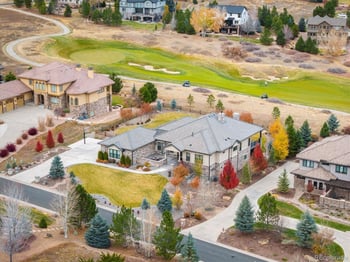
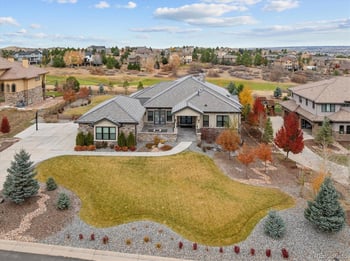
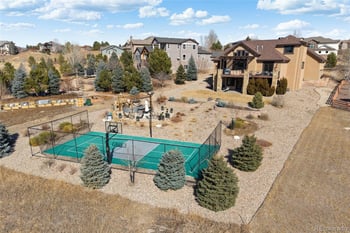
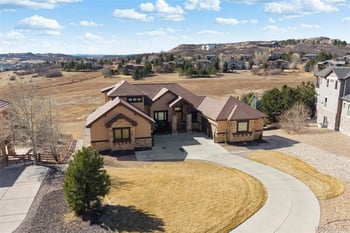
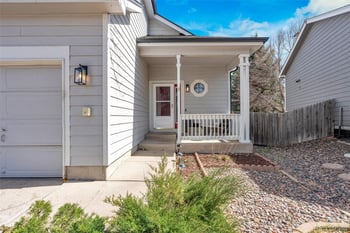
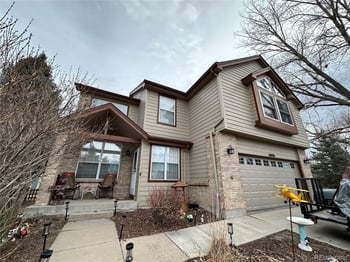
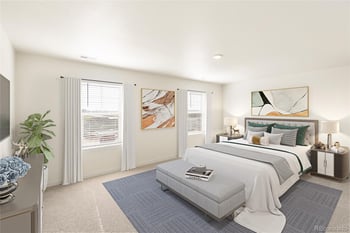
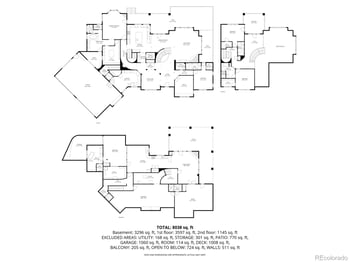
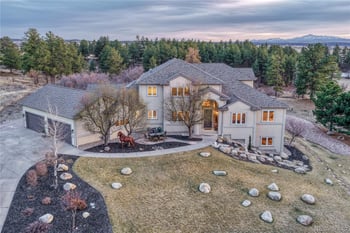
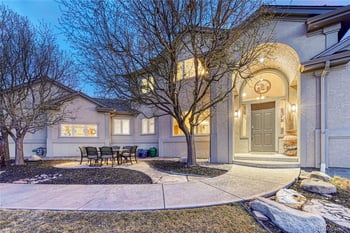
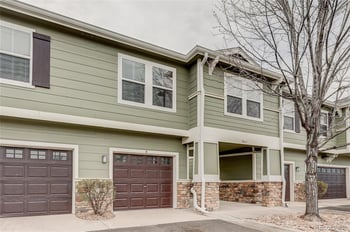
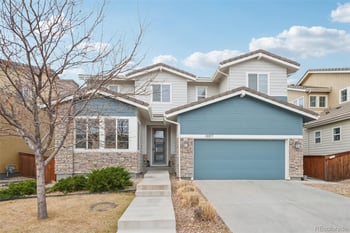
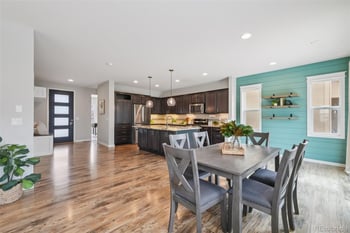
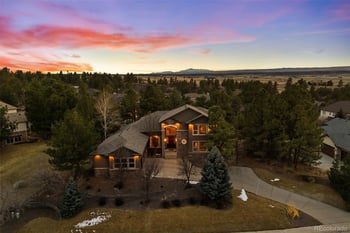
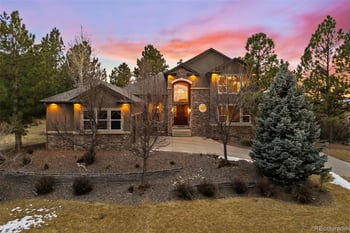
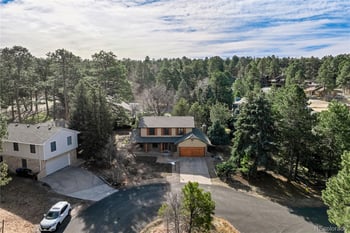
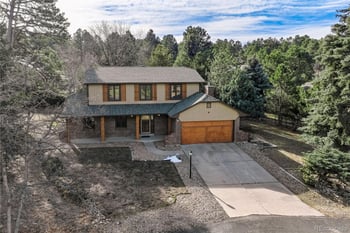
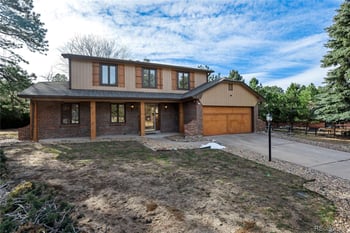
Parker homes for sale are one of the few South Metro options that still feel genuinely “hometown,” with Mainstreet days near O’Brien Park on one end of the spectrum and wooded streets in The Pinery on the other. A lot of locals measure Parker by the Hess Road split—living north can make E-470 access feel easier for commutes, while living south often feels calmer and more trail-connected around areas like Stroh Road. You’ll also see buyers prioritize a main-floor primary when they want to stay close to Parker Adventist without giving up space. The trade-off is simple: traffic patterns can change quickly around school windows and the main corridors, so the “best” spot depends on how you actually move through your week. Scroll below to view current Parker listings.
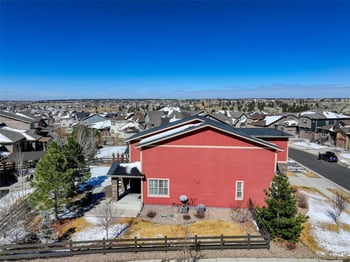
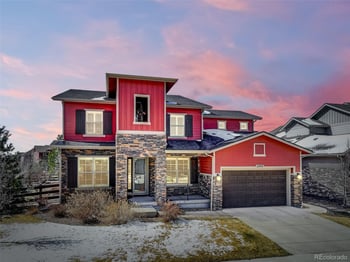
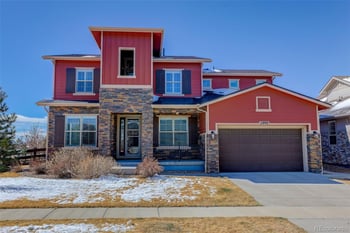
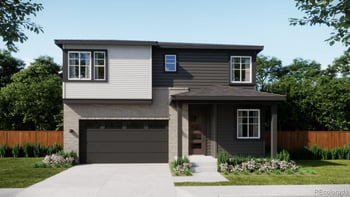
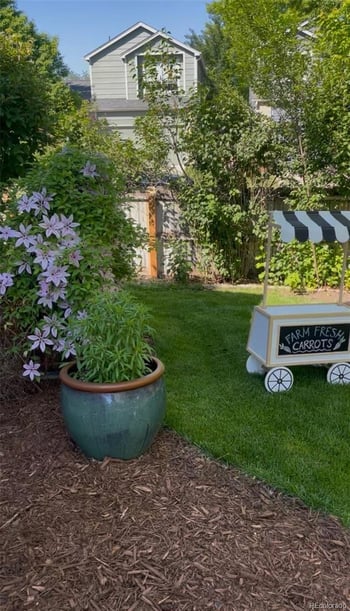
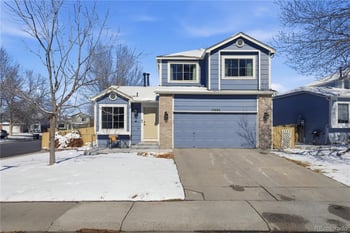
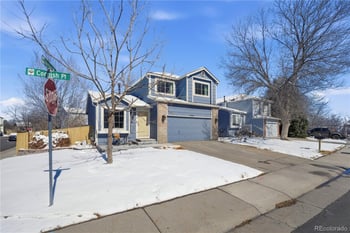
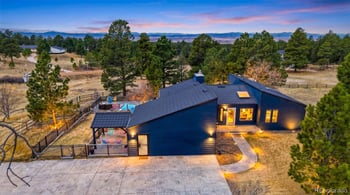
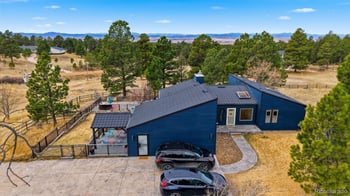
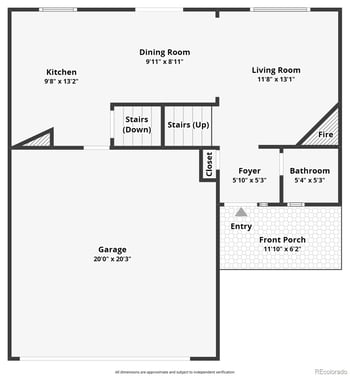
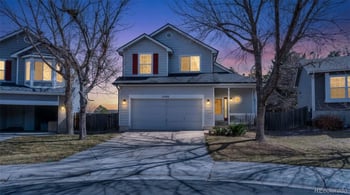


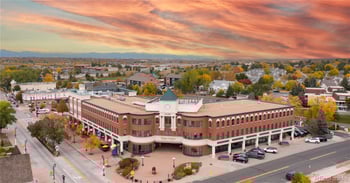
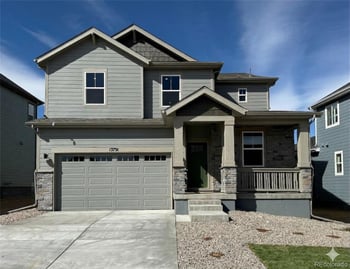
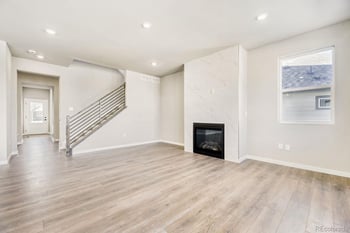
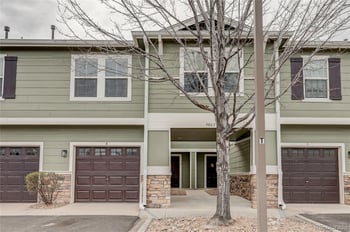
Daily life clusters around Mainstreet Parker and O’Brien Park—not just shopping centers. Events, walks, and casual meet-ups happen close to home, which becomes more important once daily commutes are no longer the center of the schedule.
Parker Road moves easily most of the day, but school drop-offs and evening traffic change the experience quickly. Where your neighborhood sits relative to it has a noticeable impact on how smooth everyday errands feel.
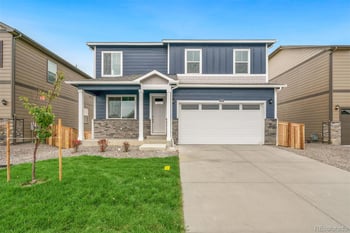
Areas like The Pinery feel more wooded and private but add a few minutes to most errands. Newer neighborhoods trade tree cover for shorter drives and simpler, more predictable upkeep.
Walking paths and trail connections aren’t just weekend amenities here. Many residents use them for daily movement, dog walks, and quiet resets that don’t require getting in the car.
Some neighborhoods emphasize low maintenance and consistency, while others allow more flexibility. Understanding which environment you’re buying into often matters more than the size of the home itself.
People who tend to enjoy Parker long-term are usually the ones who settle into a routine early—grouping errands, learning traffic patterns, and choosing neighborhoods that match how they actually live.
What surprises most people about Parker, CO is how quickly it stops feeling like a “suburb” and starts feeling like its own place. Days here revolve around a few familiar corridors—Mainstreet, Parker Road, and E-470. Once you understand the timing of these three roads, life becomes very predictable.
Daily routines often stay east of the highway. While Twenty Mile Road handles the big-box shopping (Costco, Target), Mainstreet acts as the community spine. It’s the place for a "regular" walk at O'Brien Park or a quiet coffee at Fika, rather than a place to rush.
There’s a noticeable shift once the sun goes down. Evenings in Parker are quieter than most south-metro cities. Neighborhoods like Stonegate or Canterberry Crossing settle quickly after the school rush, transitioning to dog walkers and sunset views.
The practical takeaway: Parker rewards the planner. If you value predictable days and a town that still feels like a town, Parker fits perfectly once you learn how the "local routes" actually operate.
Parker is easy to live in once you stop thinking in miles and start thinking in timing. On a map, everything looks close. In practice, a school pickup window or a left turn onto Lincoln Avenue can quietly reset your whole morning.
Parker Road (Hwy 83) is the obvious spine, but locals treat it like a "mid-day road." It works well outside peak hours, but during rush hour, most residents lean on north-south relief routes to keep things moving.
Once you understand how Parker Road behaves compared to back routes like Motsenbocker or the Chambers extension, daily life becomes predictable. Parker isn’t fast—but it’s consistent, which is exactly why many right-sizers end up staying.
In Parker, Mainstreet and O’Brien Park tell you whether it’s a collection of neighborhoods or a community. This isn’t a destination you “plan a day around.” It’s where daily life naturally funnels—short walks, quick stops, and routines that feel personal.
Mainstreet doesn’t behave like a commercial strip; it functions as the town's living room. You’ll find locals lingering at Fika Coffee House (a Swedish tradition of "coffee and conversation") or grabbing a quiet dinner at The Parker Garage. These aren't just businesses; they are the anchors where you start recognizing your neighbors.
The subtle shift happens in the evenings. Once the after-school rush fades, the town returns to a baseline of porch lights and dog walkers. Parker doesn’t chase "nightlife," and Mainstreet makes that clear. It’s designed for consistency, not spectacle—exactly why it feels so sustainable for long-term residents.
The Bottom Line: You can live close enough to Mainstreet to enjoy it on a whim without inheriting the noise of a denser city. It offers a sense of "center" that defines the Parker experience.
One of Parker’s quiet advantages is how easy it is to be outside without turning it into a "production." Most neighborhoods here were designed to funnel naturally into paths used for 7:00 AM dog loops or a quick head-clearer after dinner.
Paved, flat, and predictable. Runs through Stonegate and Mainstreet.
Less manicured, more scrub oak and rolling hills. Best for seeing the horizon without the crowds.
The Bottom Line: Parker doesn't force you to "commit" to being outdoorsy—the access is usually 300 yards from your driveway.
One of the easiest ways buyers get surprised in Parker isn’t the home price — it’s how the community is funded. Two similar homes can carry very different monthly costs depending on whether the neighborhood uses a Metro District, an HOA, or both.
In many newer parts of Parker, the city didn’t front the money for roads, trails, lighting, and common areas. Instead, that infrastructure was financed through a Metro District, which homeowners repay over time through a Mill Levy on their property taxes. The structure is predictable and long-term, but it means the real cost of ownership shows up on your tax bill — not just in the HOA dues.
These areas usually carry little or no Metro District debt. Property taxes tend to be lower, but HOA dues may be higher to cover private services like trash, common landscaping, or community amenities. You’re paying primarily for services.
HOA fees often look modest, but the Metro District Mill Levy is covering roads, trails, snow removal, lighting, and long-term maintenance. You’re paying for infrastructure, just through your tax bill instead of dues.
Then there’s the Covenant Reality. Parker maintains a very intentional look, and enforcement is part of how the town protects property values. In HOA-governed neighborhoods, rules around RVs, trailers, driveway parking, landscaping, and exterior changes are taken seriously. For many right-sizers, that consistency is a feature — not a downside — but it’s important to know what you’re signing up for.
The local advice: Don’t stop at the listing price. Ask for the total Mill Levy, the HOA budget, and any transfer or initiation fees early in the process. Understanding the full carrying cost upfront is what keeps Parker feeling comfortable five, ten, or twenty years down the line.
When you’re planning for the next chapter, healthcare stops being a background detail and starts becoming a practical part of daily life. One of the quiet reasons people stay in Parker long-term is the strength of its local medical ecosystem, anchored by :contentReference[oaicite:0]{index=0}.
Having a Level II Trauma Center minutes away matters, especially for residents in places like Canterberry or Stonegate. But the real advantage shows up in everyday care. The medical corridor along Crown Crest Boulevard concentrates primary care, imaging, outpatient surgery, rehabilitation, and specialty practices into a compact area that’s easy to reach without touching I-25.
For most Parker residents, routine appointments don’t require a day-long commitment. You can see a specialist, handle labs or imaging, and still be back in town for errands or coffee on Mainstreet. The care is integrated into normal life, not pushed to the edges of the metro.
This accessibility becomes especially meaningful for residents in southern neighborhoods like The Pinery or Idyllwilde. You’re not driving into Aurora or Denver for follow-ups, physical therapy, or diagnostics. That consistency reduces stress and makes aging in place feel realistic rather than theoretical.
The Bottom Line: Parker’s healthcare infrastructure supports independence. It’s one of those features that doesn’t show up on a listing sheet, but quietly determines whether a community still works for you ten or twenty years down the road.
Even for buyers without kids at home, schools quietly shape how Parker holds value over time. The town is served by the Douglas County School District, and while every address has an assigned neighborhood school, Colorado’s open enrollment system changes the real estate equation here in important ways.
Locals don’t just talk about where a home is zoned—they talk about where families can choice in. That flexibility matters. It means a home in Canterberry or The Pinery isn’t locked into a single path; future buyers often have multiple options through district programs or nearby charters, depending on availability.
In Parker, the major high school feeders—Legend, Ponderosa, and Chaparral—act as long-term neighborhood anchors. Because families can apply to open-enroll into different schools when a specific program or fit makes sense, your home stays attractive to a broader pool of buyers. That flexibility helps prevent neighborhoods from feeling boxed in if enrollment patterns shift over time.
For right-sizers, the takeaway isn’t about bus routes or homework—it’s about durability. A district built around choice supports long-term demand and gives your home more ways to remain relevant as buyer priorities evolve.
The Bottom Line: In Parker, schools quietly protect value. Open enrollment keeps neighborhoods adaptable, which is exactly what helps a home age well in the South Metro market.
Parker tends to work best for people who value predictability over buzz. It attracts the kind of buyer who likes knowing how their day will unfold—where traffic tightens at Lincoln Avenue, which back routes like Chambers stay calmer, and what stays consistent year after year.
It’s a strong fit for right-sizers who still want space but are done with the friction of high-maintenance living. Parker hits a middle ground that’s hard to find elsewhere: you keep a yard that still feels like yours, but you gain the peace of mind of being minutes from Parker Adventist Hospital and everyday essentials. After the 3:30 PM school rush fades, most neighborhoods settle quickly into porch lights, dog walkers, and quiet streets.
What people sometimes underestimate is the “9:00 PM wall.” Parker isn’t a town that stays loud after dark. You can grab a good dinner on Mainstreet, but the town wraps up earlier than buyers from denser areas usually expect.
But for buyers who want their home to support the next phase of life without constant adjustment, that’s exactly the appeal. Parker rewards the long-term thinker who wants a place that stays comfortable without trying to reinvent itself every six months.
The Bottom Line: If you’re comfortable trading "city speed" for "community calm," Parker is likely where your search ends.


