Listings
Market Stats
Popular Searches
Information

Loveland Homes for Sale Loveland CO – Lakes, Trails, and Easy Daily Living

Home

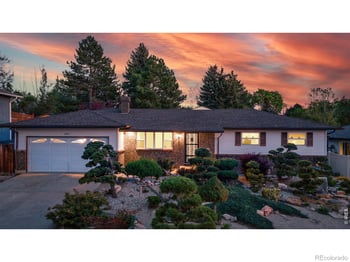
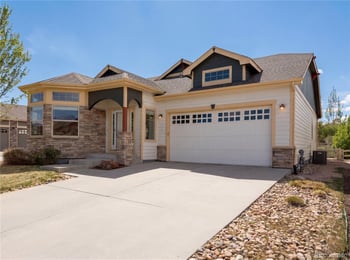
Loveland homes for sale work well for equity-rich downsizers and near-retirees who want Colorado living without signing up for a high-effort lifestyle every week. You can spend an afternoon downtown at The Foundry plaza, take an easy walk through Benson Sculpture Garden, or head to Boyd Lake State Park when you want water, fresh air, and a change of scenery without a long drive. On the practical side, Centerra (right by US-34 and I-25) keeps medical and everyday errands close, including UCHealth Medical Center of the Rockies—useful when “being near care” starts to matter more than being near nightlife. The housing mix is broad, but the common thread for this stage of life is single-level-friendly options and a calmer, lower-maintenance daily routine—just remember the details vary by address (HOA landscaping, snow removal, and exterior rules are neighborhood-specific). The trade-off is timing: US-34 and the I-25 interchange can get slow at peak hours, so where you land in town should match how you actually drive your week. Scroll below to view current Loveland listings.
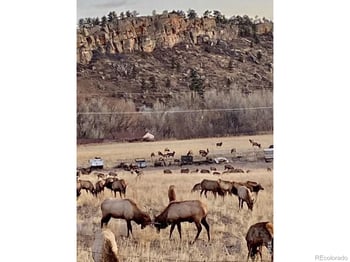
Latest Homes for Sale in Loveland Loveland CO

530 Properties Found
Sort By:

Current Real Estate Statistics for Homes in Loveland, CO

530
Homes Listed
43
Avg. Days on Site
$308
Avg. $ / Sq.Ft.
$691,550
Med. List Price

Loveland, CO Real Estate: Quick Things to Know Before You Scroll Listings

If you’re shopping Loveland, CO homes for sale, this section is here to make the listings grid easier to use—especially for downsizers and right-sizers who want fewer surprises after closing. Nothing below is a blanket claim about “all of Loveland.” Wherever it matters, you’ll see a simple verify-by-address step so you can confirm details on the exact home you’re considering.

Quick Loveland Fit Check (the “which side of town fits me?” stuff)

What “Loveland” means on a listing

“Loveland” can describe a city address, a mailing label, or a broader area label. When rules, utilities, or fees matter, use the record—then decide.

  • Confirm the parcel details and any mapped layers tied to the address.
  • Cross-check the county property record before assuming anything from the listing headline.
Downtown feel vs I-25 / Centerra convenience

A lot of the “fit” comes down to where you want your normal week to happen—walk-and-linger closer in, or park-and-go convenience near I-25 and US-34.

  • Use named nodes to orient yourself (not vague neighborhood labels).
  • Factor event traffic if you’re near The Ranch / Blue Arena.
The roads you’ll actually use

In Loveland real estate, “close to everything” usually means “easy to US-34, US-287, and your I-25 on-ramp.” Those choices decide appointments, errands, and weekend exits.

  • Test-drive your most common route at the times you’d really travel.
  • Use live road tools on wind/snow days instead of guessing.
Live conditions: COtrip (CDOT)
Errands and healthcare reality

For downsizers, convenience is often medical and “normal-week” stuff more than nightlife. Loveland has major hospital campuses—map them from the address you’re considering.

  • Pick your top 5 weekly stops and map the loop from each short-list home.
  • Use official campus pages for the correct location and directions.

Before You Fall in Love: Address Checks That Prevent Surprises

HOA or metro district? Confirm it on the record

Fees and rules vary home-to-home. Don’t assume based on subdivision branding—confirm whether the address sits in a metro district, and get the HOA documents if one applies.

  • Check metro district status using the city’s tools.
  • Verify taxes by parcel/account for the current year.
  • Use the state HOA resource for plain-English rule basics.
Internet: don’t assume fiber—check the exact address

Listing remarks can be vague (“high-speed available”). If internet matters to your day, treat availability as an address check—same as you would a roof or HVAC.

  • Run the provider availability check for the street address.
  • Cross-check with the national broadband map for reported providers.
Water and flood questions: check the map, not the rumor

Flood maps and drainage realities can change by block and by the feature you’re near. Use the official tools for the address before you assume anything.

  • Run the FEMA map check for the street address.
  • If needed, cross-check county floodplain resources for local layers.
Radon and indoor air: a normal Colorado due diligence step

Radon is a property-specific issue—two homes on the same street can test differently. Treat testing and (if needed) mitigation as part of a calm, standard checklist.

  • Use the state guidance for testing basics and next steps.
  • Ask for existing test/mitigation records if they exist, then verify.
City basics that change your week: snow, sweeping, trash

These aren’t glamorous details, but they’re the ones you feel on a Tuesday morning. Schedules and rules can be seasonal, so use the city’s current pages and address tools.

  • Know what’s expected for sidewalk clearing after snow.
  • Check whether your street is in the street sweeping program area.
  • Confirm trash/recycling and seasonal yard waste timing.
Schools by address (if it matters for your household or resale)

Even if schools aren’t your day-to-day, some buyers use assignment as a resale flexibility check or for grandkid logistics. The only clean way is by address.

  • Run the district locator for the exact address you’re touring.
  • Re-check if you’re shopping across school-year boundaries.

If you want a clean way to use this page: scan the cards, then scroll the listings with a tighter filter (single-level living, low-maintenance setups, location fit), and save the few homes that still pass the address checks.

Loveland, CO Homes for Sale: What “Loveland” Means and Where People Actually Look

When you search Loveland, CO homes for sale, “Loveland” in a listing can mean a true City of Loveland address, a Loveland mailing label, or a broader area label. For Loveland real estate decisions, the safest approach is simple: when a detail would change your decision, confirm it by address on the official record—don’t guess from the headline.

Most homebuyers end up narrowing Loveland by routine, not by marketing language. The practical split you’ll hear is “downtown Loveland” versus “closer to I-25/Centerra.” That’s not a ranking. It’s a way to stop scattering showings across town and start filtering homes that match how you’ll actually live here.

The goal of this section is to help you do two things fast: (1) confirm what the address truly sits in, and (2) choose the part of Loveland that fits your normal week.

Step 1: Confirm the address setup (don’t guess from the label)
  • Pull the mapped property context for the exact address:
  • If you want the county record view for parcel details:
  • If the listing language feels fuzzy, save yourself the spiral: confirm the address first, then ask questions with the record open.
Step 2: Pick your “daily life” side of Loveland
  • Downtown Loveland: more of the traditional core and grid—easy to do a couple stops without re-parking three times.
  • I-25 / Centerra side: quick highway access and big errand runs—more “park, grab what you need, and go.”
  • Official orientation (highways, location context): City of Loveland “About”
Use named checkpoints (so the filter stays real)

If you’re comparing listings quickly, named reference points keep you grounded and prevent “close to everything” from meaning nothing.

One very Loveland-specific thing to know: if you’re close to The Ranch, traffic can be “quiet weekday” one day and “busy event night” the next. That’s not a problem— it’s just variable. The clean way to judge it is to check the schedule and do one drive-by during arrival time.

Verify before you decide: The Ranch — Upcoming Events

You’re done when…
  • You can confirm the address setup using LPR (and county record if needed).
  • You know whether you’re filtering toward downtown Loveland or closer to I-25/Centerra for your normal week.
  • If the home is near The Ranch, you checked one event night before locking it in as “the one.”

Getting Around Loveland: The Roads You’ll Use for I-25, Fort Collins, and Appointments

When you’re comparing Loveland, CO homes for sale, the daily-drive reality is one of the quickest ways to narrow your search. In Loveland real estate decisions, “close” isn’t a number—it’s which connector you’ll use most days, and whether that drive still feels easy at the times you actually travel. The good news is Loveland’s main routes are straightforward once you name them.

The I-25 connection most people default to

If your calendar regularly pulls you toward I-25, you’ll hear “US-34 (Eisenhower Blvd)” come up fast. It’s the main east–west connector that feeds the interstate logic.

  • US-34 (Eisenhower Blvd) is the “get to I-25” road homebuyers mention most.
  • When you tour, drive the on-ramp route once at your typical appointment time.
  • For live incidents and closures, use the CDOT tool (not guesses).
Live conditions:
Fort Collins trips: the two common ways people go

For Fort Collins, homebuyers typically end up choosing between a more direct north-south drive and an I-25-based approach. Which feels “easier” depends on your start point.

  • US-287 is the name that comes up for a straight shot north-south through/near Loveland.
  • I-25 approach usually means getting east via US-34 first, then running north on the interstate.
  • Try both from your likely neighborhood at your normal time window once—then let that decide your search area.
“Appointment day” reality: build your drive test in two passes

If you’re downsizing or right-sizing, you’re often driving for medical visits, errands, and family time—not sightseeing. A single mid-day drive can be misleading.

  • Pass 1: do the drive once mid-day (parking, turn ease, signal timing).
  • Pass 2: do the same route during your real-world time (early morning, late afternoon, or early evening).
  • If the route feels like work on Pass 2, that home may be “great house, wrong daily-drive.”
Event nights: treat The Ranch as a calendar check

The Ranch Events Complex / Blue Arena can change traffic patterns around certain start times. It’s not constant, but it’s common enough that it’s worth one quick check if your shortlist is nearby.

  • Check the schedule before you tour a nearby home.
  • If there’s an event, do a short drive-by during arrival time to see what “busy” looks like on that exact route.
Weather and closures (buyer-safe rule)

Wind, snow, and short-notice incidents can change how the same road feels. Rather than relying on a “usually fine” assumption, treat conditions as something you verify the same day—especially if you’re touring, meeting contractors, or keeping medical appointments.

Verify the drive before you leave: COtrip (CDOT live map)

You’re done when…
  • You know which connector you’ll use most (US-34 to I-25, or US-287 for north-south).
  • You’ve test-driven your most common route at the times you actually travel.
  • You know where to check live conditions and closures (COtrip).
  • If your shortlist is near The Ranch, you’ve checked the event calendar before deciding the route “feels fine.”

Errands and Healthcare: The Hubs You’ll Use Most in Loveland

For downsizers and right-sizers comparing Loveland, CO homes for sale, “easy living” usually isn’t about having every option in town. It’s about whether your normal week stays simple: groceries, a couple services, and medical appointments that don’t turn into a whole afternoon. In Loveland real estate decisions, the best way to judge this isn’t a promise about “minutes”—it’s mapping your repeatable weekly stops from the exact home you’re considering.

A quick way to test “easy week” fit (works for any address)
  • Pick your 5 most common stops: groceries, pharmacy, primary care, a coffee/lunch place, and one “weekly errand” (bank, haircut, hardware).
  • Map the loop from each saved home at the times you actually go (mid-day is often the most honest for errands; early morning/late afternoon can be different).
  • If the loop feels like work on the day you’d actually do it, that’s a useful signal—great house, wrong weekly setup.
Medical hub: UCHealth Medical Center of the Rockies

If your decision hinges on predictable access to major care, use the campus location as a map checkpoint from the neighborhoods you’re cross-shopping. The key is proximity you can repeat, not a blanket claim.

Medical hub: Banner McKee Medical Center

Banner McKee is another major Loveland medical campus that shows up in “easy week” planning. If you have standing appointments, map the actual approach route from any home you save.

Official campus page:
Errands marker: Centerra (Promenade side)

A lot of “I just want it to be simple” errands gravitate toward the Centerra side because it functions like a named cluster. Use it as a practical reference point when you’re filtering listings closer to I-25 and bigger errand runs.

Downtown errands vs Centerra errands (how it usually plays out)
  • Downtown side: often feels more “quick stops” and walkable add-ons when you’re already nearby.
  • Centerra side: often feels more “bundle errands in one trip” with easy parking and highway proximity.
  • Neither is automatically better. The right fit is whichever matches how you already run your week.
You’re done when…
  • You can name your 5 weekly stops and map the loop from any home you save.
  • You know which medical campus you’d likely default to based on your shortlist’s location.
  • You can tell whether your errands lean downtown or toward Centerra for your normal week.

Parks, Trails, and Water Time: Easy Outdoor Options in Loveland

When homebuyers compare Loveland, CO homes for sale, outdoor access is often less about “big adventure” and more about what you’ll actually do on a normal week: a morning walk that feels easy, a quick trail when you have an hour, or a lake day that doesn’t require a whole plan. For Loveland real estate decisions, the key is sticking to named public access points and clear rules—so you’re not assuming “waterfront view” equals “water access.”

A quick way to test “will we actually use this?”
  • Pick two realistic habits: one short walk (20–40 minutes) and one longer outing (half-day).
  • Map both from each saved address and check the parking/trailhead setup on the official page.
  • If the “easy” option requires multiple turns, tricky parking, or a long drive every time, it usually doesn’t become a habit.
Public water access: Boyd Lake State Park

If “lake time” is part of your weekly picture, Boyd Lake is the clean, public reference point in Loveland—boating, paddling, and seasonal swim access are managed through the park. Rules and fees can change, so treat the CPW page as your source of truth before you plan a repeatable routine.

Official info (access, rules, fees):
Easy “get out of town” trail: Devil’s Backbone Open Space

Devil’s Backbone sits just west of Loveland and is one of the most commonly used open-space outings when you want a real trail without making it a full-day expedition. Larimer County manages it, and conditions/closures/parking rules are best verified on the official park page.

The “regular habit” option: Loveland’s in-town trail system

The in-town trail system is where outdoor time becomes routine—after-dinner walks, morning bike rides, and the kind of easy movement that doesn’t require planning. Trail surfaces and connections vary, so use the City’s trail resources when you’re filtering homes by “walkability” and “easy access.”

Interactive map (routes & connections):
Access vs view (important for lake-adjacent listings)

In Loveland, it’s possible to be near water and still not have direct access. A lake view, a nearby pond, or “close to Boyd Lake” doesn’t automatically mean you can walk out to the shoreline from your neighborhood. If access matters, confirm the rules for the specific place you’d actually use:

  • For Boyd Lake: verify current access points, hours, and passes on the CPW park page.
  • For neighborhood features: verify HOA/association rules and recorded amenities for that address (the listing remarks are not the final word).
  • For city parks: use the City’s parks and facilities resources when you want to confirm what’s public and where you can park.

Parks map:

Seasonal reality (keep it practical)
  • Lake plans: check seasonal rules/fees and what’s open before you assume “quick lake day.”
  • Trail plans: check the managing agency page if weather has been active—conditions can change fast without it being a big headline.
  • Habit test: if a trail or park is only appealing “on the perfect day,” it may not serve your normal week.
You’re done when…
  • You can name one “regular walk” option and one “half-day outing” option from each saved home.
  • If lake time matters, you’ve verified Boyd Lake access/rules on the CPW page (not assumed from a listing description).
  • If trails matter, you’ve checked the managing agency page (City or Larimer County) so you’re not guessing about access and current conditions.

What Loveland Homes Feel Like: Single-Level Living, Lot Patterns, and Older vs Newer Areas

A lot of the “feel” of Loveland, CO homes for sale comes down to a few practical things you can actually confirm: whether the living works on one level, how much yard you’ll be maintaining, and what the recorded property facts say versus what the listing description implies. For Loveland real estate decisions—especially for downsizers and right-sizers—this is where using the record first saves you from falling for vague language.

The “record first” filter (so the grid gets easier fast)

Before you read too much into the remarks, pull the basics for the exact address. You’re not trying to memorize everything—just confirm the few facts that change maintenance load and daily comfort.

  • Build year + recorded characteristics: helps you compare “older charm” versus “newer systems” without guessing.
  • Lot size / site pattern: helps you predict yard work, privacy, and how close the next roofline might feel.
  • Zoning context (when it matters): helps when a description feels vague about use, additions, or unusual setups.
Verify the recorded basics (build year, lot, structure)

If you want the clean “what is this property on record?” view, start with the assessor. It’s the fastest way to confirm build year and other recorded details without relying on listing phrasing.

Confirm zoning + recorded notes (when something feels “fuzzy”)

If the description is vague or the property seems like it has special conditions, use the City’s address-based report to pull zoning context and related info tied to that specific address.

Quick zoning context map (for the “what is this area?” question)

When you’re trying to understand the broader zoning context—without making assumptions—use the City’s zoning district map as a reference layer. Then, confirm the specific address details in LPR.

Single-level living (what to look for in the grid)

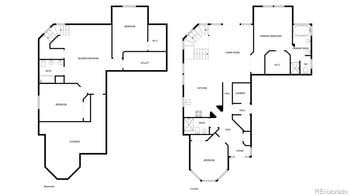
“Single-level” can mean different things in real estate listings. Some homes live mostly on one floor but still have steps at the entry. Others have the primary bedroom on the main level, but the laundry or storage ends up in the basement. The safest move is to filter, then confirm with the layout and the record.
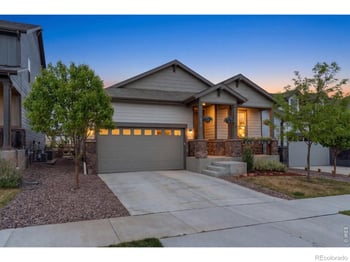
  • Use grid filters like Ranch, Single Story, Main-Floor Primary, and Main-Floor Laundry when available.
  • Then confirm what you care about most: no interior stairs for daily living, entry steps, and where the laundry actually is.
  • If “low maintenance” is the goal, pair the floorplan check with a quick look at lot size and exterior setup so you’re not surprised later.
Lot feel and maintenance load (yard, spacing, and what “easy” really means)

Loveland has a mix of lot patterns—some areas feel established with bigger trees and wider spacing, while other areas feel newer with more consistent layouts. Rather than assuming either is better, use recorded lot size and a quick street-view pass to judge what you’ll actually maintain.

  • Lot size helps you predict yard work, snow shoveling surface area, and general upkeep.
  • Spacing and driveway setup helps you predict parking comfort and how “close” neighbors feel in real life.
  • Confirm lot size and recorded details in the assessor record before you rely on phrases like “spacious” or “low maintenance.”
Garage and storage reality (a common downsizer surprise)

A lot of right-sizing decisions come down to “where does the stuff go?”—especially if you’re moving from a larger home. Photos can hide the practical details, so look for recorded garage size, confirm whether the garage is attached or detached, and pay attention to driveway depth if you’ll be parking more than one vehicle.

  • Confirm recorded garage/structure details through the assessor record.
  • If the listing mentions RV parking, extra bays, or special storage, treat it as “verify” until you see dimensions or the layout.
  • If HOA rules might matter for parking or storage, ask for the documents early—don’t wait until you’re emotionally attached.
Older vs newer areas (keep it grounded with build year)

You’ll often hear people describe a “newer feel” closer to the I-25 side and a more “established feel” closer in, but those labels get slippery fast. The clean way to keep it real is to use recorded build year and recorded property details for each address you save. That gives you something solid to compare instead of relying on a vibe.

  • Older homes: may offer mature landscaping and different layouts—confirm systems, basement setup, and maintenance expectations during due diligence.
  • Newer homes: may offer more standardized layouts—confirm lot pattern, HOA/deed conditions, and parking/storage rules for the specific address.
  • Either way: build year and recorded facts are your baseline, then you layer in what you see on tour.
You’re done when…
  • You can pull build year, lot size, and core recorded details for any saved home (assessor record).
  • If something feels vague, you know how to confirm zoning and address-level context (LPR + zoning map).
  • Your saved list is filtered by what you actually want: single-level living, manageable upkeep, and garage/storage that fits your life.

HOAs and Metro Districts: Fees, Rules, and What to Verify Before You Commit

When you’re narrowing Loveland, CO homes for sale, HOA and metro district details are where “surprise costs” usually sneak in. The fix is not a debate about whether HOAs are good or bad. It’s a simple, address-based habit: confirm what the home is actually in, then read the documents that apply to that specific property before you get emotionally committed. That’s the cleanest way to make Loveland real estate decisions with fewer regrets later.

The “no surprises” method (address → map layer → documents → year-specific taxes)
  • Step 1: Confirm if the address is inside a metropolitan district (don’t guess from the neighborhood name).
  • Step 2: Confirm if there’s an HOA, then request the current HOA documents early (rules, dues, budget, reserves, special assessments, parking/storage rules if that matters to you).
  • Step 3: Verify property taxes for that specific parcel/account and the specific tax year you’re reviewing (tax systems are year-variable).
How to check metro district status (by address)

The City of Loveland points homebuyers to the Loveland Property Report for the metro district map layer. This is the quickest way to confirm whether the specific address you’re considering falls inside a metropolitan district.

  • Open the Loveland Property Report.
  • Use the address search to pull the property location.
  • Use the map “Change View” and select Metro Districts (layer/view wording can change—follow the City instructions if the menu looks different).
HOA basics and owner rights (Colorado’s official consumer resource)

If you want a grounded starting point on how HOA governance works in Colorado—what documents matter, what owners can typically expect, and what’s not within the state’s role— use the Colorado Division of Real Estate HOA Center. It’s a practical reference when you’re reading HOA documents and trying to spot deal-breakers early.

Property taxes: verify by parcel/account and year (no guessing)

Taxes can vary by location and can change by year. If a metro district or special district applies, it can show up in the tax structure. The buyer-safe move is to check the Treasurer’s tools for the specific parcel/account you’re considering, then compare that to what you’re seeing in disclosures.

What to verify before you commit (practical, document-first)
  • HOA status: Is there an HOA tied to this address, and what are the current dues and rules?
  • Rules that change daily life: parking, guest parking, RV/boat storage, fencing, exterior changes, rentals (if relevant to you), and any pet limits.
  • Financial health: budget, reserves, and whether a special assessment is active or being discussed (ask for the latest documents, not a summary).
  • Metro district presence: confirm via the LPR metro district view for the specific address.
  • Tax year reality: verify the property’s current-year tax record (and understand that future years can change).
Where people get tripped up (and how to avoid it)

A lot of confusion comes from marketing names that sound official, or from listings that treat HOA details like a footnote. If something feels vague, treat it as a signal to switch into “record and documents” mode. Confirm the address on the metro district map layer, request the HOA documents tied to that property, and verify taxes by the parcel/account and year. That approach stays clean even when the listing language is not.

You’re done when…
  • You can confirm metro district status for the exact address using the Loveland Property Report’s metro district view.
  • You’ve requested (and actually reviewed) the current HOA documents tied to the property, not just a verbal summary.
  • You’ve verified the property’s tax record for the relevant year using the Treasurer’s tools, and you understand it’s year-variable.

Utilities, Internet, and City Basics: What Changes After Closing

This is the part of Loveland, CO homes for sale that doesn’t show up in listing photos: who actually serves the address for utilities, whether fiber is real at that doorstep (or just “nearby”), and the seasonal routines that shape a normal week once you own the place. For Loveland real estate decisions, the safest pattern is simple—verify by address first, then let the listings grid do its job.

The “address-first” checklist (fast, repeatable, and buyer-safe)
  • Utilities: confirm the utility provider and how to start/transfer/stop service for the exact address.
  • Internet: run a true address check for fiber, then cross-check availability claims with a neutral map.
  • City routines: look up street sweeping, snow operations, and trash/recycling rules for the current season/year.
  • When something breaks: know the “report it” path before you need it (non-emergency vs urgent).
Utilities: confirm the provider and the service-transfer steps

In Loveland, a lot of addresses fall under Loveland Water and Power (electric, water, wastewater, and the City’s broadband brand), but the only safe move is to confirm service for the exact property you’re considering.

  • Use the official “Start, Stop or Move Service” page for the correct process and contact points.
  • If you’re reviewing a listing outside city limits, treat utilities as “verify by address,” not assumed.
  • For outage planning, the outage info page includes the current outage map and update behavior.
Internet and fiber: verify it at the doorstep, then cross-check

If fiber is a deal-breaker (work-from-home, streaming, or just wanting fewer headaches), don’t rely on a neighborhood claim. Run the address through Pulse first, then use the FCC map as a neutral cross-check.

  • Step 1: check the exact address on Pulse’s availability tool.
  • Step 2: confirm what providers report at that location on the FCC National Broadband Map.
  • Step 3: if the map looks wrong, the FCC map includes a challenge/dispute pathway—use it before you assume.
Snow, sweeping, trash and recycling: the routines that shape a normal week

If you’re right-sizing out of a place where an HOA handled everything, these routines can be the “wait, that’s on me now” moment. None of this is hard—what matters is knowing where to look so you’re not guessing by memory or neighbor lore.

  • Snow operations: review the City’s snow operations page and use the snow plow map during storms (city limits).
  • Sidewalk shoveling: the City describes homeowner responsibilities and timelines—confirm current wording each winter.
  • Street sweeping: use the schedule and locator map; it’s weather-dependent and the calendar is year-variable.
  • Trash/recycling/yard waste: use the City’s page for current collection details and seasonal yard waste timing.
“Who do I call?” (so you’re not hunting around later)

For non-emergency street issues like potholes, ice buildup on a trouble spot, or an obstruction, Loveland’s Public Works team routes reports through an online form. If something is urgent or you’re unsure, use the City’s “Report A” page as the starting point.

You’re done when…
  • You’ve confirmed utility service and the start/transfer steps for the specific address you’re saving.
  • You’ve run the address through Pulse’s availability tool and cross-checked on the FCC map.
  • You’ve bookmarked the City’s snow, sweeping, and trash/recycling pages so seasonal routines don’t become a last-minute surprise.
  • You know the City’s “report it” path for non-emergency concerns.

Before You Make an Offer: The Loveland Address Checklist (Schools, Flood, Wildfire Screen, Radon, Street Feel)

By the time you’re this deep into Loveland, CO homes for sale, the listing photos have already done their job. This is the part that prevents the “wait… I didn’t know that” moment after closing. Everything here is address-based and legally safe: no neighborhood-wide assumptions, no “safe/unsafe” language, just practical checks you can repeat for any Loveland real estate decision.

Use this like a pre-offer routine
  • Run the five checks below for every address you’re serious about.
  • If any check changes your comfort level, treat it as a “pause and verify,” not a deal-killer by default.
  • Save the links once, then reuse the same process as you narrow the grid.
1) Schools (verify by address, and treat it as year-variable)

School assignment is one of those details that feels “obvious” until it isn’t—especially if you’re right-sizing and thinking about resale later, visiting grandkids, or just wanting to understand the day-to-day school traffic near a home. The clean approach is to check the serving schools by address and assume boundaries can change over time.

  • Use the district’s address locator to identify the boundary schools for the exact address.
  • Re-check for the current school year (and again before closing if timing is tight).
  • If your address does not return cleanly, use the district’s contact guidance instead of guessing.
2) Flood screen (FEMA first, then a local cross-check)

Flood risk is one of those topics where the only responsible answer is “check the map for this address.” Start with FEMA, then cross-check with Larimer County’s floodplain resources. If the maps raise questions, that’s your cue to ask for clarification during due diligence rather than relying on a headline.

  • Run the address on FEMA’s Flood Map Service Center and save the result for your file.
  • Cross-check on Larimer County’s floodplain page and interactive map (county regulatory floodplains).
  • Remember: “not in a regulatory floodplain” is not the same thing as “no flood risk.” Treat maps as screening tools and ask follow-up questions if needed.
FEMA address check: · Larimer floodplains:
3) Wildfire screen (a first-pass map check, not a guarantee)

For Loveland real estate decisions, wildfire risk is something you can screen quickly without turning it into a scary story. Use the Colorado wildfire risk viewer as a first pass, then treat any result as a prompt to ask better questions about defensible space, access, and mitigation options for the specific property.

  • Search the address in the wildfire risk viewer and note what it shows for that location.
  • If the map suggests higher concern, consider a property-specific mitigation consult (home-level conditions matter more than general map shading).
  • Avoid conclusions based on a neighborhood label—screen by address and then verify with professionals if it matters to you.
4) Radon (treat it like a standard home-specific test)

Radon is one of those Colorado realities where the right move is calm and practical: test the home you’re buying. It’s a property-specific question, not a city-wide assumption. If you’re making an offer, this belongs in your due diligence conversation early.

  • Review CDPHE guidance so you know what testing and mitigation typically look like.
  • Plan for a radon test on the property (how and when depends on your contract and inspection plan).
  • If there’s an existing mitigation system, confirm it was installed and maintained properly as part of your inspections.
Official guidance: · Testing basics:
5) Street feel (verify with your own eyes, at the times you’ll live it)

This is the part no map fully replaces. The house can be perfect and the street can still be the thing you live with every day. Instead of trying to label a whole neighborhood, verify your comfort level with repeatable checks around that exact address.

  • Drive the street twice: once in the daytime, and once in the early evening when people are actually arriving home.
  • Listen for the predictable stuff: traffic bursts, nearby commercial activity, delivery patterns, and how fast cars move on that block.
  • If you’re near known event sites, check the schedule so you understand what “busy nights” look like for that location.
Timing check: events and “busy night” patterns (especially near The Ranch)

If a home is on the I-25/Centerra side or you’re anywhere near the paths people take to get to events, it’s worth doing one simple check before you commit: look at the event calendar and picture your normal errands on those nights. This isn’t predicting traffic; it’s making sure you understand the pattern you’re buying into.

You’re done when…
  • You’ve verified school assignment by address (and you understand it can change by year).
  • You’ve run the address through FEMA and cross-checked Larimer County floodplain resources.
  • You’ve screened wildfire risk on the Colorado viewer and noted any follow-up questions for inspections/mitigation.
  • You’ve planned a radon test as part of your due diligence approach for that specific home.
  • You’ve driven the street at two different times and you understand any event-night patterns that could affect your routine.

Loveland vs Nearby Options: Fort Collins, Windsor, Berthoud, and Johnstown

If you’re comparing Loveland, CO homes for sale, you’re not alone—Fort Collins, Windsor, Berthoud, and Johnstown are the usual cross-shops for people who want the “daily-life fit” right before they book showings. This stays Loveland-led on purpose. Instead of turning into mini guides for other towns, we’ll use a few Loveland reference points you can verify on a map—US-34 (Eisenhower Blvd), I-25, Centerra, and The Ranch / Blue Arena—so your Loveland real estate decision doesn’t get pulled off track by labels.
A quick way to cross-shop (so you don’t burn weekends)
  • Pick your “weekly stops”: groceries, pharmacy, primary care, one service errand, and one place you genuinely like to grab lunch or coffee.
  • Compare the same drives from a saved home in each town at the times you’ll actually go (midday errands, early evening return).
  • Keep it address-based everywhere: schools by address, utilities by address, HOA/metro district by address, and street feel by visiting at more than one time.
The Loveland reference points that make the comparison “real”
  • US-34 through town (Eisenhower Blvd): the practical east–west spine you’ll feel in errands and appointments.
  • I-25 access (Crossroads / CO-402 area): Loveland sits just west of I-25, and the interchange you use can change how “easy” the highway feels on a normal week.
  • Centerra / The Promenade: the “one-stop errands” side of Loveland for many buyers—if this is your default shopping pattern, it matters.
  • The Ranch / Blue Arena: an event-night variable that’s easy to factor in by checking the calendar before you commit to a location.
Fort Collins vs Loveland (what tends to change in daily life)

Homebuyers usually cross-shop Fort Collins when their normal week pulls north often—work, appointments, adult kids, or just wanting more of their errands to land up there. A clean, Loveland-rooted comparison is to test the same “weekly stops” drive from a Loveland shortlist address and a Fort Collins shortlist address, then pay attention to which one feels like less planning.

  • Best fit when: Fort Collins is where you’ll actually spend more of your weekdays and evenings.
  • Reality check: do one early evening return to see how the drive feels when everyone’s heading home.
  • Verify-by-address: school assignment and utility service should be confirmed for the exact home, not assumed by city label.
Windsor vs Loveland (the “multiple directions” cross-shop)

Windsor shows up when buyers want a week that flexes north and south without a lot of second-guessing—especially if I-25 is a frequent part of the routine. Compare Windsor against Loveland’s east-side pattern near US-34 / Centerra so you’re comparing “highway access” apples-to-apples.
  • Best fit when: being able to choose I-25 or surface routes based on the day matters to you.
  • Reality check: run a COtrip check before a drive test so you’re not confusing an incident day with a normal day.
  • Verify-by-address: HOA and district structures can vary—confirm early if rules/fees would change your comfort level.
Berthoud vs Loveland (the “quieter base, still close” choice)

Berthoud enters the shortlist when homebuyers want a smaller-town day-to-day feel but still want Loveland’s errands, medical, and shopping options within a manageable drive. The practical check is whether your “weekly stops” feel like easy, repeatable trips—or whether they start to feel like planning.

  • Best fit when: you like the idea of being near Loveland hubs without living right on top of them.
  • Reality check: do one midday errand run and one early evening drive back to your saved address.
  • Verify-by-address: service territories (utilities, providers) can change outside core areas—confirm before you assume.
Johnstown vs Loveland (the “close to I-25” tradeoff)

Johnstown is a common cross-shop for buyers who want the interstate to be the easy part of the day. To keep this Loveland-rooted, compare Johnstown against the Loveland addresses you’re saving near US-34 / I-25 and see which one keeps your routine simpler once you add appointments, errands, and weekday timing.

  • Best fit when: you expect to be on I-25 often enough that interchange convenience matters.
  • Reality check: test an on/off I-25 drive during your likely travel window (not just a quiet mid-morning).
  • Verify-by-address: confirm parcel-level taxes/fees and utility service before you treat any home as “simple ownership.”
You’re done when…
  • You can explain, in plain language, which town makes your weekly errands and appointments feel easiest—and why.
  • You’ve tested the same drives from at least one saved home in each town you’re seriously considering.
  • You’ve kept comparisons address-based (schools, utilities, HOA/metro district), not label-based.
  • Your shortlist is tighter—so showings are about choosing a home, not trying to figure out the area.
If you’re checking highway timing for any of these drives: COtrip (live conditions)

Loveland, CO Real Estate FAQ: Quick Answers Homebuyers Actually Need

How do I confirm a listing is inside Loveland city limits and not just a “Loveland” mailing address?

The clean method is to verify the address on an official, map-based property tool instead of guessing from the headline. Start with the Loveland Property Report to see the address on the map and confirm the jurisdiction context. If anything still feels unclear, cross-check recorded property details through the Larimer County Assessor property search.

How do I know if a Loveland home is in an HOA or a metropolitan district?

Don’t rely on neighborhood marketing names. Treat it as an address-and-documents question. For metro districts, use the City’s Metropolitan Districts guidance and confirm the exact address in the Loveland Property Report.

For HOAs, request the current HOA documents tied to that specific property early (rules, dues, budget, reserves, and any special assessment discussion), then verify property taxes for the current year through the Larimer County Treasurer.

Which schools serve this Loveland address—and can that change?

Verify school assignment by address using the official district tool, then treat the result as school-year specific. The simplest starting point is the Thompson School District School Locator. If you’re buying near a boundary line or the tool output looks odd, confirm with the district instead of guessing—school boundaries can change over time.

Is fiber internet actually available at this address in Loveland?

Treat fiber as an address-level confirmation, not a neighborhood claim. Start with the Pulse Fiber availability check for the exact address. Then cross-check what providers report at that location using the FCC National Broadband Map. If the map and the real-world offer don’t match, the FCC map includes a dispute pathway—use that before you assume.

How do I screen flood and wildfire for one specific Loveland home without making broad claims?

Start with an address search on the official map tools, then treat the results as screening—not guarantees. For flood, use the FEMA Flood Map Service Center, then cross-check with Larimer County floodplain resources.

For wildfire screening, use the Colorado wildfire risk viewer. If a map result changes your comfort level, that’s your cue to ask better property-specific questions (defensible space, access, and mitigation options) during due diligence.

Do all Loveland homes have the same utilities—and how do I verify what this address actually uses?

Utilities can change by location, especially as you move toward the edges of town or outside city limits. The buyer-safe move is to verify service by address. For city utility service steps and contacts, start with Loveland Water and Power and their Start, Stop or Move Service page. Then confirm what the seller discloses for that specific property (water, wastewater, and any “not-on-city-service” details) before you treat ownership as plug-and-play.

What's your home worth?
Have a top local Realtor give you a FREE Comparative Market Analysis
Hear From Happy Homeowners
See how we've helped others achieve their real estate goals.
280 reviews on