

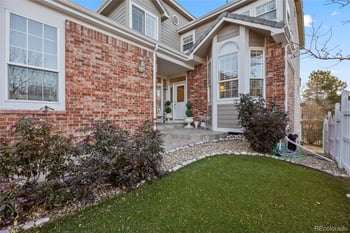
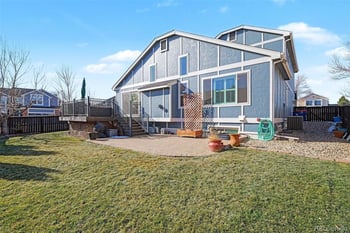
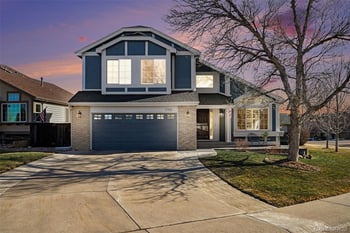
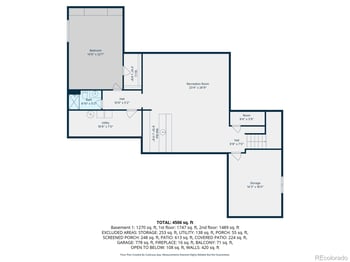
$686,900
Active
3
Beds
4
Baths
2607
Sqft
0.1
Acres
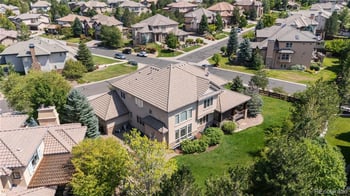
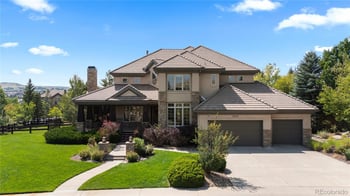
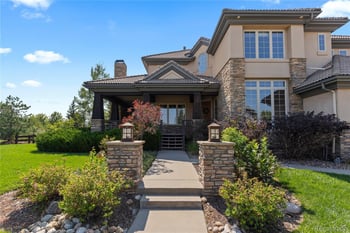
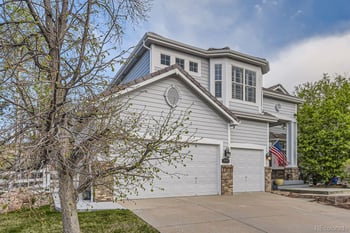
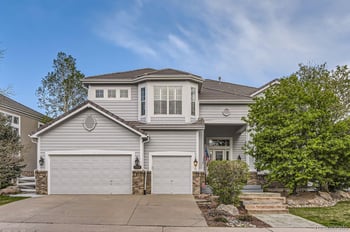
9835 Firestone Cir, Lone Tree, CO 80124
MLS#: REC9215935
Lone Tree homes for sale sit in a tightly managed pocket of the south metro where daily life revolves around Park Meadows, Lincoln Avenue, and the I-25 / C-470 interchange. Most residents think in practical terms—how to approach the mall without getting pulled into weekend traffic, when Lincoln backs up versus when RidgeGate Parkway moves freely, and which neighborhoods stay insulated from retail flow altogether. North Lone Tree feels more established and residential, while RidgeGate to the south leans newer and more master-planned, with direct access to light rail, Sky Ridge Medical Center, and major employers like the Charles Schwab campus. The appeal is real convenience paired with structure, but the trade-offs matter: HOA standards are strict, Metro District taxes are common in newer areas, and knowing the back routes (like Yosemite Street) makes everyday errands noticeably easier. If you want orderly, low-friction living with strong access across the south metro, scroll below to see the latest Lone Tree listings.

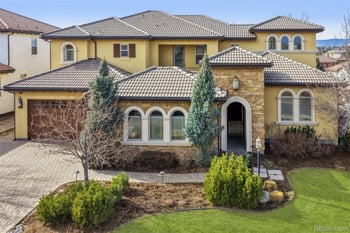
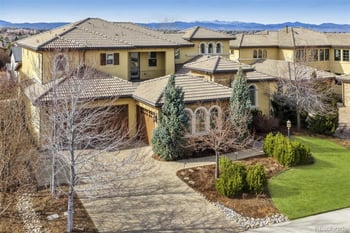

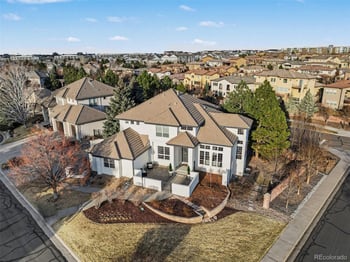
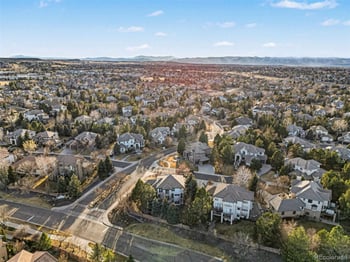
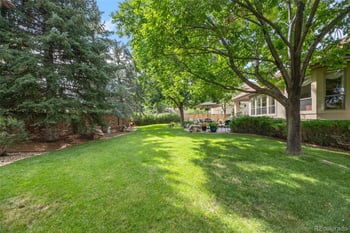
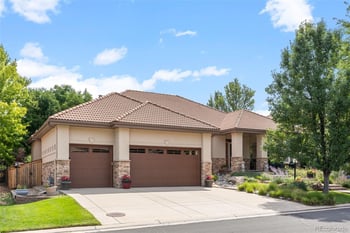
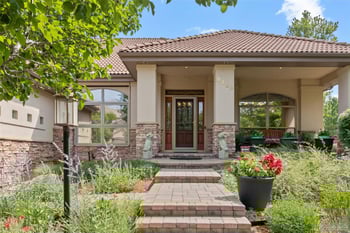
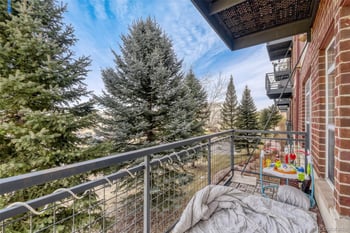
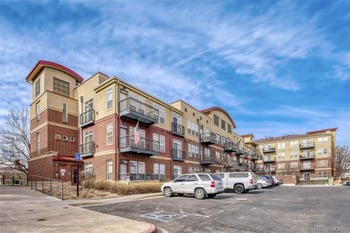
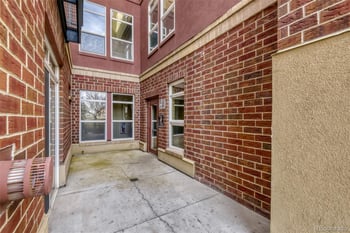
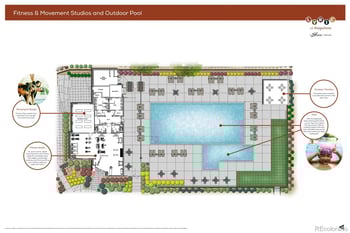
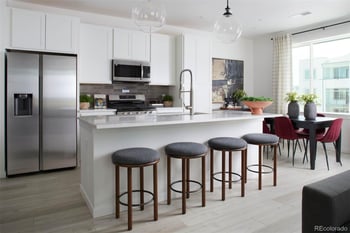
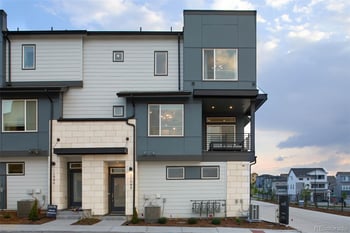
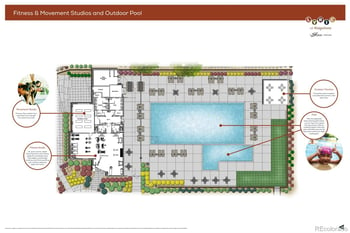
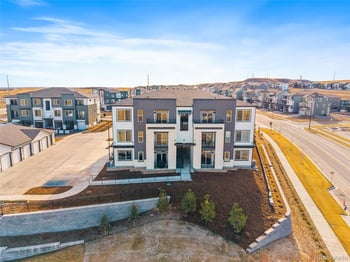
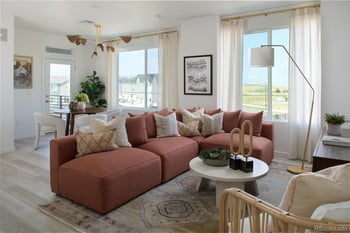



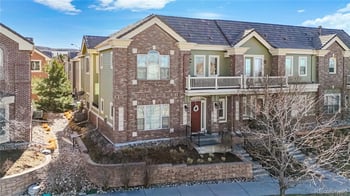


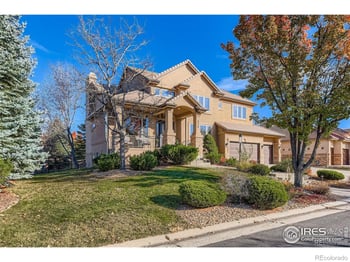
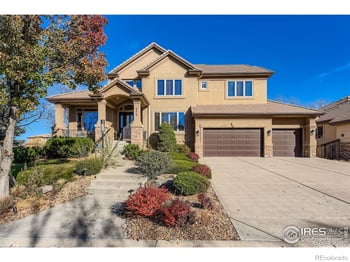
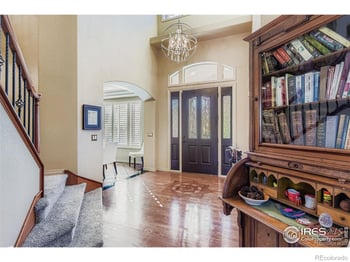
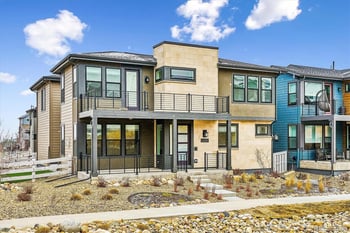
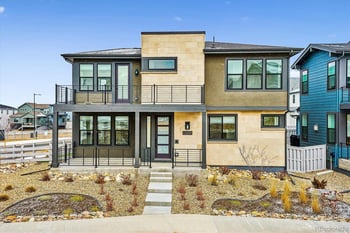

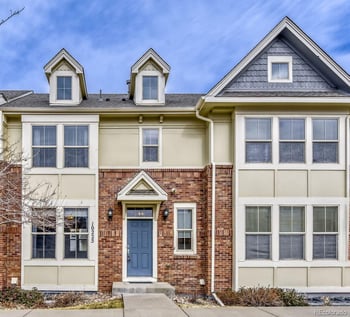

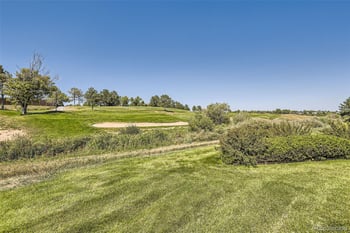




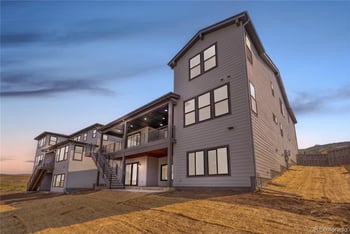
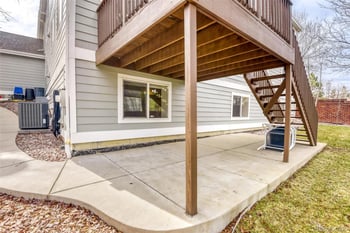
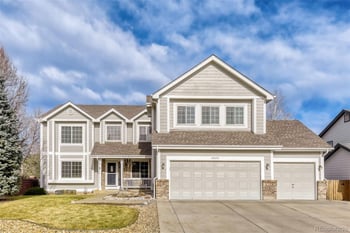


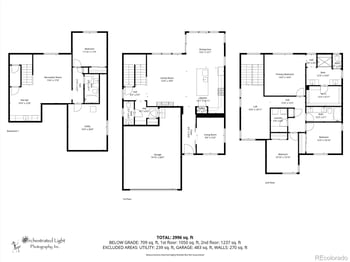


Lone Tree is built around I-25 and C-470, making regional access effortless. The real variable is Lincoln Avenue—locals know that traffic flow here dictates how fast you actually hit the highway, especially during peak hours or weekend shopping rushes.
Park Meadows makes daily errands simple—restaurants, stores, and appointments are close. The trade-off is that Saturdays and holidays can feel busy near Park Meadows Drive and the I-25 ramps, so most people learn their “good times” quickly.
Sky Ridge Medical Center is right here, which changes the “what if” planning for a lot of right-sizers. Being close to hospital care and specialists matters more over a 10–20 year horizon than most people admit upfront.
RidgeGate Parkway Station is useful when you want to leave the car once and be done—downtown events, games, or planned nights out. It’s less about daily commuting for most buyers and more about having a reliable backup plan.
Bluffs Regional Park is close and scenic, which is why people use it often. It isn’t flat, though—there’s real up-and-down—so it’s great if you want a workout nearby and something to consider if you prefer gentler routes.
Lone Tree tends to work well for right-sizers who want low-friction living—good access, strong services, and homes that can support main-floor daily life. The main thing to understand is HOA reality in many pockets: landscaping and snow removal can be a plus, but rules vary and are worth reading closely.
People assume living here means fighting Park Meadows traffic every day. In reality, residential pockets like Heritage Hills, The Charter, and RidgeGate feel insulated once you know your routes. Locals use streets like Yosemite and Kimmer to bypass the busiest retail approaches when timing is wrong.
The Bluffs are one of the best “regular walk” options in town, but they’re exposed—on some days you’ll feel the wind up there, especially near the overlooks. If you plan on patio time, heavier outdoor furniture and secure covers tend to be a practical choice here.
In many Lone Tree neighborhoods, tidy landscaping and consistent exterior upkeep are simply the norm. For right-sizers, that can be a plus—everything tends to look cared for—but it also means HOA rules and maintenance expectations are worth understanding early.
Lone Tree is one of those places where daily life can feel “set up” for you. Errands are close, medical care is close, and the streets are plowed before most of the metro wakes up. If you like clean, organized, and low-friction—without feeling like you’re living in a sleepy retirement town—Lone Tree tends to click fast.
The ease shows up in normal moments. You can knock out a grocery run and a couple stops near Park Meadows without turning it into a half-day project. If you’re planning long-term, having Sky Ridge Medical Center nearby changes the mental math for a lot of right-sizers—appointments don’t feel like a trek across the metro. And when you just want to get outside, Bluffs Regional Park is close enough to become a “regular walk” instead of a weekend destination.
The parts that don’t feel easy are mostly about timing and expectations. Park Meadows convenience comes with busy stretches on weekends and holidays, so most residents learn their best windows quickly. The Bluffs can be windy on exposed days, and if you’re buying into a neighborhood with higher standards, HOA rules and upkeep expectations can be stricter than buyers assume at first. Lone Tree rewards people who want things to run smoothly—and who are comfortable reading the fine print early so nothing surprises them later.
“Easy access” is one of the main reasons people choose Lone Tree, and it’s mostly true—especially compared to places where you have to fight surface-street lights just to reach the highway. Here, you’re close to I-25 and C-470. The part people learn after they move in is that “quick” depends on timing, and the road you feel it on first is usually Lincoln Avenue.
Lincoln is the everyday connector. It’s how a lot of residents get to the ramps, Park Meadows, and the usual stops without thinking too hard about it. That also means it’s where traffic stacks up during the normal rush windows, and it can feel busy when weekend shopping is pulling extra cars toward the mall.
Further south, RidgeGate Parkway tends to feel calmer and more “purpose-built,” especially if you’re heading toward Sky Ridge or the light rail station. If you live in the RidgeGate side of Lone Tree, you’ll notice you lean on RidgeGate Parkway more often than Lincoln just because it keeps the drive simple.
The local move that makes all of this easier is knowing when to slide off the obvious route. Yosemite Street is the north–south alternative many residents use to keep moving when the Park Meadows side is busy. The longer you live here, the more you stop thinking in miles and start thinking in “which way stays smooth right now.”
The upside is that your usual destinations stay predictable. DTC and Greenwood Village are a straightforward drive, and for airport runs you have options—sometimes I-25 is fine, other times looping to E-470 is simply less stressful. Lone Tree works well for buyers who like a life that runs cleanly, as long as you’re willing to learn the timing once and then stick with what works.
Park Meadows is the obvious perk of living in Lone Tree, but most residents don’t use it as a “mall”—they use it as their neighborhood pantry. You can grab groceries, handle returns, meet for lunch near The Vistas, and be home before it feels like you gave up your day. For right-sizers, that proximity is hard to give up once you have it.
The catch is that Park Meadows pulls traffic from the entire south metro area. On a random Tuesday, it’s effortless. On a Saturday afternoon or holiday week, the approaches around Park Meadows Drive and County Line Road can stack up quickly.
Locals rarely get stuck because they follow a simple “Default vs. Backup” rule:
If you’re deciding where to buy, location nuance matters here. The best setup for most buyers is being close enough to use the amenities on a whim, but tucked far enough back (like in The Charter or Heritage Hills) that you don’t feel the weekend surge from your driveway.
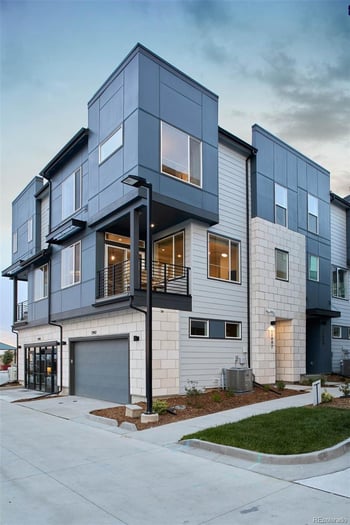
RidgeGate is the "master-planned" heart of South Lone Tree. It feels distinctly different from the older neighborhoods—wider streets, cleaner connections, and proximity to major anchors like the Charles Schwab Corporate Campus and Sky Ridge.
The trade-off in RidgeGate is its "newness." While the Lone Tree Arts Center and the library provide great community anchors, some pockets are still evolving. It’s a perfect fit if you want a future-proof, high-efficiency lifestyle, but it might feel a bit too "corporate" if your heart is set on a traditional neighborhood with 30-year-old tree canopies.
RTD: RidgeGate Parkway Station details • RTD: Park-n-Ride parking rules
One of the quietest advantages of living in Lone Tree is that getting outside doesn't require a plan. For residents, Bluffs Regional Park isn’t a weekend destination—it’s a Tuesday afternoon routine.
On clear days, you get some of the best unobstructed views of the Front Range and Denver skyline in the south metro. For right-sizers, this park acts as a communal backyard. You don’t need the maintenance of a large lot when you have 478 acres of open space as your "regular walk."
If you prefer something flatter and paved for your knees, the Willow Creek Trail or the paths around Schweiger Ranch offer a gentler alternative. Lone Tree works best when you match your outdoor activity to your energy level for that specific day.
Housing in Lone Tree rewards buyers who are thinking a few moves ahead. For most, the goal isn't just "smaller"—it's a home that removes the friction of stairs and high-maintenance yards while keeping enough space for hobbies and grandkids.
Newer townhomes, condos, and "villas" designed for total convenience. Often walkable to the Arts Center and light rail.
Luxury patio homes and main-floor masters with strict HOA standards. Expect manicured medians and gated security.
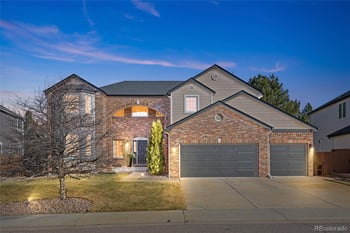
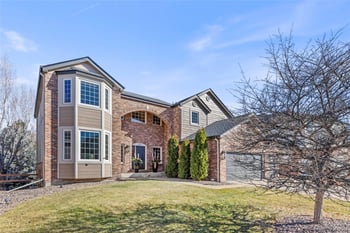
Larger lots and mature trees. These often require more personal "yard work" but offer the most privacy and custom character.
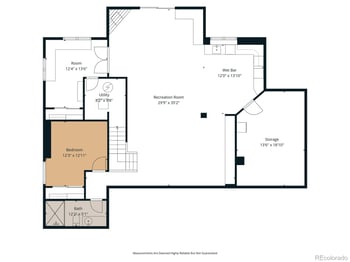
A common thread is main-floor daily living. You’ll find that the "Primary Suite on Main" is the standard request here. For many, the upper or lower levels become "guest zones" that stay quiet 90% of the year, allowing you to live comfortably on one level day-to-day.
The "Fine Print" Check: Lone Tree is a city of HOAs and Metro Districts. Coverage varies wildly—some cover snow removal all the way to your front door, while others only handle common areas.
Buyer Tip: In neighborhoods like The Charter, you might trade the gated security of Heritage Hills for more mature tree canopies, but you'll likely take on more individual driveway shoveling. Always match the "rules" to your physical comfort level.
If you’re right-sizing into Lone Tree, understanding the difference between an HOA and a Metro District is your most important financial check. Most neighborhoods here are designed for "low friction," but how you pay for that maintenance varies significantly.
| Feature | The HOA (Private) | The Metro District (Public) |
|---|---|---|
| Primary Goal | Enforcing Rules & Aesthetics | Building & Maintaining Infrastructure |
| How You Pay | Monthly/Quarterly Dues | Property Tax Bill (Mill Levy) |
| Typical Work | Pools, Clubhouse, Paint Colors | Plowing Streets, Trails, Lighting |
The Snow Removal Catch: Lone Tree is famous for its city-wide snow removal , but the "last mile" varies. In patio-home communities like Heritage Hills or Montecito, your HOA may clear snow all the way to your front door. In older pockets like The Charter, you are responsible for your own driveway and the sidewalk in front of your home within 24 hours.
The "Right-Sizer" benefit here is the Standards. Because Lone Tree has strict enforcement, your neighbor can't let their yard go to seed or park a project boat in the driveway for six months. It protects your resale value, but it requires you to be comfortable with a higher level of oversight than you might find in unincorporated Douglas County.
Pro-Tip: Always look at the "Total Tax Rate" on a listing, not just the HOA fee. High Metro District fees in newer areas like RidgeGate can add hundreds to your monthly cost, even if the HOA fee looks low on paper.


