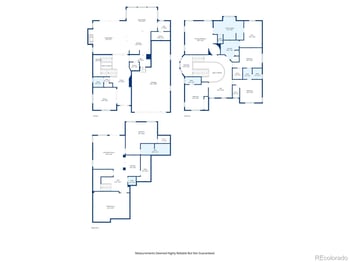
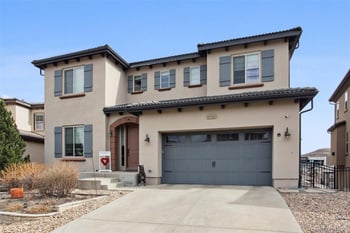
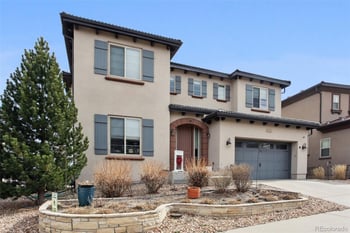
$1,199,000
Active
5
Beds
6
Baths
5087
Sqft
0.16
Acres
10560 Ladera Dr, Lone Tree, CO 80124
MLS#: REC1764519
55+ adult community homes for sale in Lone Tree are usually about simplifying the house—main-floor living, fewer stairs, and a setup that feels easy to maintain once “move-in week” turns into a normal month. In practice, that often means ranch-style plans, patio-home layouts, and communities where the rules and upkeep expectations matter just as much as the floor plan. Lone Tree works well for this lifestyle because errands stay simple around Park Meadows, medical care is close at Sky Ridge, and RidgeGate-area access keeps you connected without feeling like you live on a highway. Before you buy, the smart checks are specific: what “low-maintenance” actually covers (snow, landscaping, exterior items), how guest parking works when family visits, and whether age-restriction policies match the way you expect to use the home. Scroll below to see current 55+ listings and focus on the homes that feel comfortable to live in—not just impressive to tour.
If you’re right-sizing, the win isn’t just “smaller.” It’s fewer stairs, fewer chores, fewer surprises. In Lone Tree, the difference usually comes down to HOA scope, taxes/metro districts by address, and how easy your weekly routes feel to Park Meadows, Sky Ridge, and the trails.
Lone Tree appeals to a very specific kind of homebuyer. It’s quiet, orderly, and efficient—less about chasing “things to do,” more about whether the week feels easy. If you’re right-sizing, the real question is whether your errands, appointments, and walking options stay low-friction after move-in.
Map check (recommended before you tour)
Add a simple map graphic showing Park Meadows, Sky Ridge Medical Center, Bluffs Regional Park, and Lincoln Station. Even a static “pins + labels” image helps homebuyers picture what’s close without guessing.
Lone Tree is physically small, and that’s part of the appeal. Most weekly errands funnel toward the same few places, which means you’re not constantly recalculating where to go. Park Meadows and the County Line Road area tend to become your default for the “normal week” stuff—pharmacy runs, quick returns, and appointments you don’t want to turn into a cross-metro drive.
Even if you’re not a mall person, that cluster matters because it reduces decision fatigue. You don’t want your right-size move to come with a new list of complicated errands.
One of Lone Tree’s practical advantages is how close Sky Ridge Medical Center sits to residential pockets. Even if you rarely need it, the “I can get there easily” factor matters more over time than most people expect.
Do a simple drive test: go once mid-morning and once around dinner-time. Notice which I-25 ramps you naturally use and whether the route feels calm or rushed. Lone Tree’s road network leans on familiar arteries like County Line Road and Yosemite Street, and the benefit is consistency—you usually know what the drive will feel like before you leave.
Lone Tree isn’t known for large, traditional 55+ subdivisions. A lot of right-sizers end up choosing a well-designed ranch or patio-style home inside a standard neighborhood. The layout and maintenance responsibilities usually matter more than the label.
The key is to treat HOA details as “weekly-life” information: snow scope, exterior responsibilities, guest parking, and rental rules. Get it in writing early so the easy move stays easy.
Lone Tree’s trail options are practical, not overwhelming, and that’s a good thing. Bluffs Regional Park is a go-to because it’s close and easy to repeat— the kind of place you’ll actually work into a normal week.
When you’re choosing a home, check sidewalk continuity from the front door and whether the route feels exposed on a breezy day. Those details decide whether walking becomes part of your routine or just a nice idea.
Most right-sizers don’t plan to ride light rail daily, but having Lincoln Station nearby can be useful when you’d rather not drive into downtown Denver, or when family visits and you want an easy meetup plan that doesn’t revolve around parking. The best check is simple: drive there, park, and walk the platform once. If it feels straightforward, it’s a good second option to have.
In the south metro, crossing one city line can quietly change how your week feels. For most right-sizers, the real difference isn’t the city name — it’s where errands naturally land, how medical runs feel, and whether everyday driving stays simple or starts to wear on you.
Highlands Ranch is larger and more residential, with deeper internal neighborhoods and more “drive within the community” errands. Lone Tree is smaller and pushes daily life toward a few reliable nodes, especially around Park Meadows and County Line Road.
Centennial is spread out, and daily life depends heavily on where you land. East vs. west of I-25 can change routes, traffic, and what “quick errands” really means. Lone Tree tends to feel more consistent week to week.
Greenwood Village tends to feel more tucked away and private, with quieter streets and fewer commercial nodes. Lone Tree feels more intentionally planned around convenience, with easy access to major roads, retail, restaurants, and medical care.
Castle Pines often feels more removed and wooded, which some right-sizers love — until winter mornings add extra drive time and elevation. Lone Tree is lower-friction for errands and medical runs if you expect to be out regularly.
Don’t overthink comparisons. Run the same three errands from each area at the same time of day: a grocery stop, a pharmacy stop, and a medical drive. Then take one short walk near home and notice how sidewalks, slopes, and exposure feel.
Quick, buyer-safe answers to the questions that tend to matter more after move-in than they did on tour day. No fluff—just what to verify and why it affects daily life.
In Lone Tree, many homebuyers end up with the right layout (single-level living, low-step entries, smaller yards) inside standard neighborhoods rather than a large, classic 55+ subdivision footprint. If a listing claims “55+,” treat that as a document-check, not a feature.
“Low-maintenance” can mean anything from common-area landscaping to full exterior + snow scope. The weekly-life difference usually shows up in winter: sidewalks only versus driveway responsibility, timing, and trigger depth.
Don’t guess based on the neighborhood name. Do an address-based check early so you understand the actual tax picture tied to that parcel. If the home is newer or near newer development, double-check whether there’s an additional district assessment layered in.
Run the drive to Sky Ridge Medical Center twice: once mid-morning and once around dinner-time. Don’t just measure minutes—notice the feel of the route, the ramps you use, and whether it’s calm or irritating when traffic picks up.
In this part of the metro, small design choices can turn into daily annoyance when it’s icy. Walk the property like it’s a cold morning and you’re carrying bags.
The most repeatable option is Bluffs Regional Park, especially if you value maintained paths and a walk you’ll actually do on a normal weekday. The key isn’t the trail name—it’s whether you can get there easily from your front door.
For many homebuyers, it’s not an everyday plan—it’s a backup plan. Having Lincoln Station nearby matters when you’d rather avoid downtown parking or you want an easy family meet-up option that doesn’t revolve around traffic.
Do a simple “normal week” drive: start near the home, run your grocery/pharmacy loop toward Park Meadows, then swing past the places you’d actually go often—medical, a casual meal, a quick appointment. The question isn’t whether there’s plenty to do. It’s whether the basics feel effortless.


