Littleton homes for sale cover everything from older streets near Historic Downtown (the Main Street shops and patios people actually use) to quieter pockets closer to the river and open space, so “Littleton” can feel a little different depending on which side of Santa Fe Drive you land. If you like being able to grab dinner downtown, then hop on the D Line from Littleton / Downtown or Littleton-Mineral when you don’t feel like driving, this is one of the few South Metro areas where that combination still feels normal. On the outdoors side, it’s easy to build real routines around the South Platte River Trail, South Platte Park and the Carson Nature Center, and places like Hudson Gardens—then save the bigger outing for Chatfield when you want water, a long walk, or a reset close to home. The payoff is a true “small-town downtown” feel with real trail-and-river access while still having straightforward routes via Broadway, Santa Fe, and C-470. The main thing to watch as a buyer is that a “Littleton” address doesn’t always mean the same city limits or the same school assignment, and older homes can come with normal older-home due diligence—so it pays to verify the details early. Scroll below to view current Littleton listings.
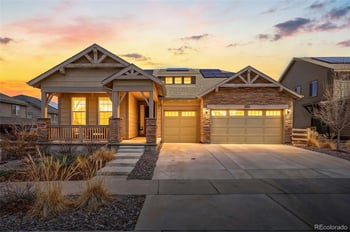
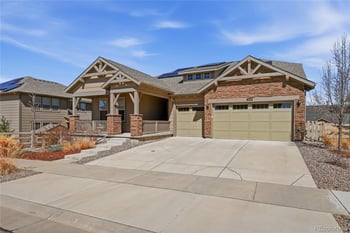
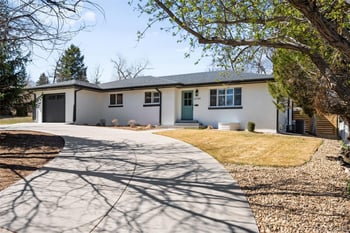
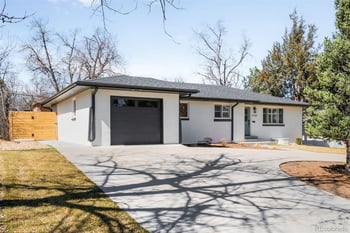
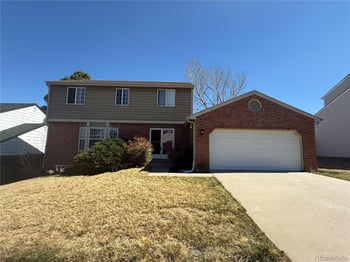
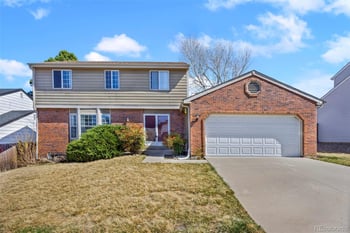
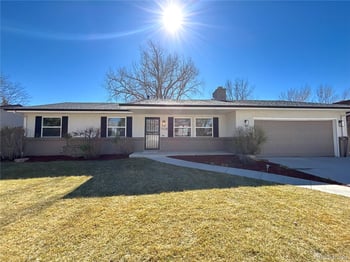
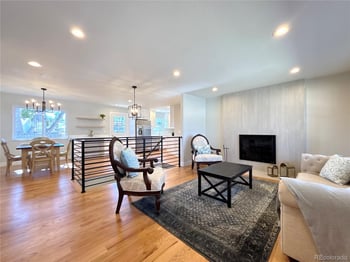
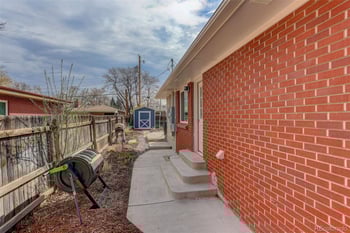
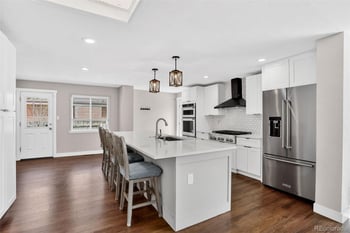
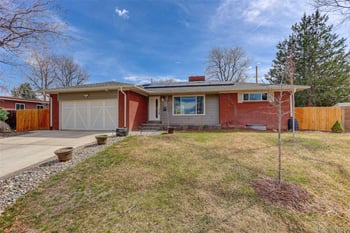
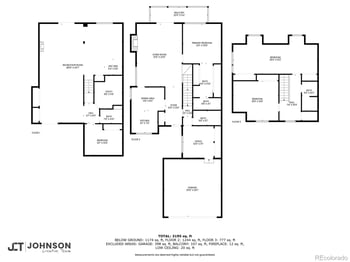
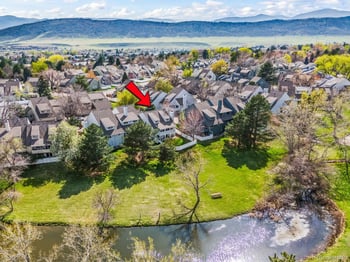



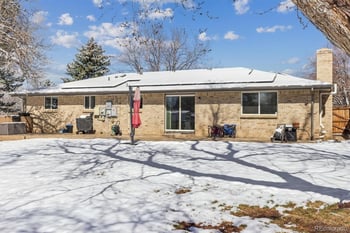
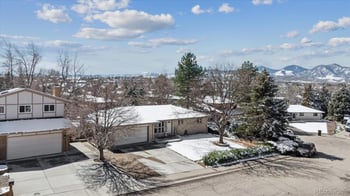
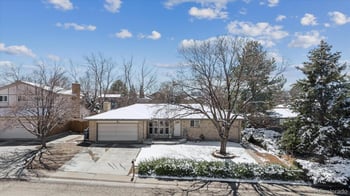
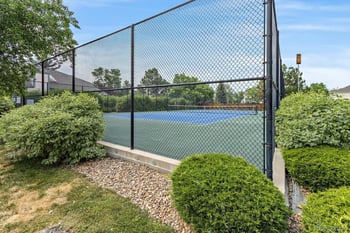
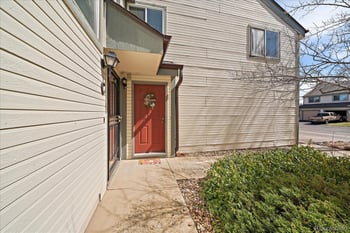
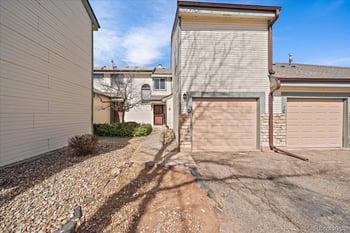
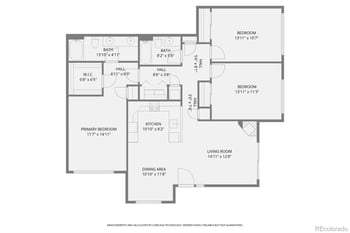
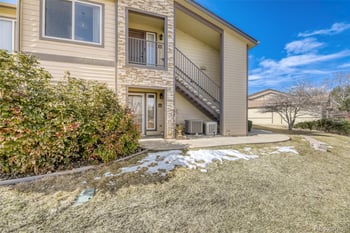
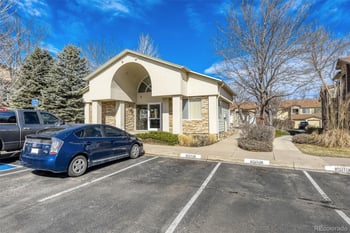
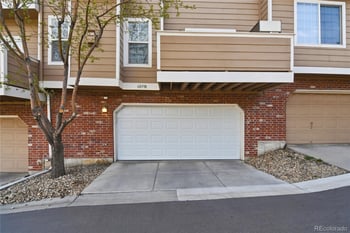
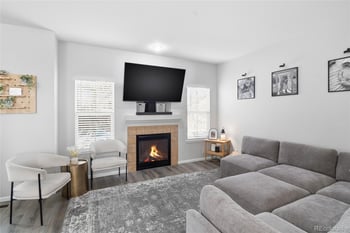
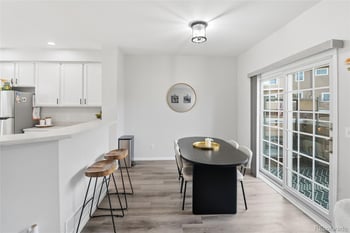
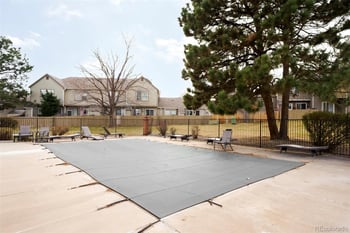
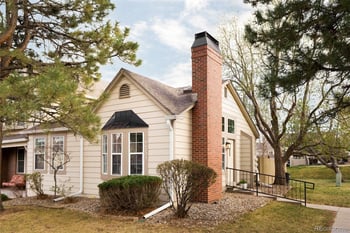
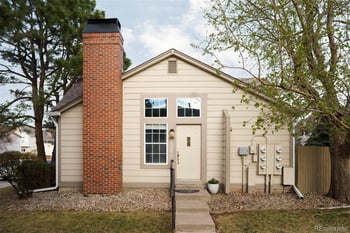

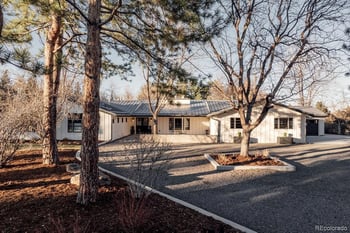
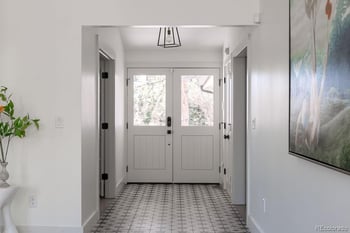
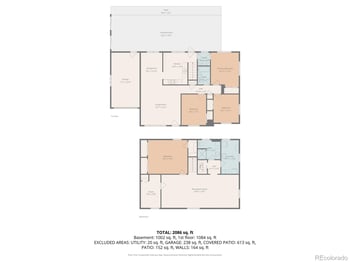
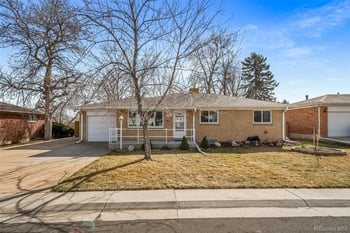
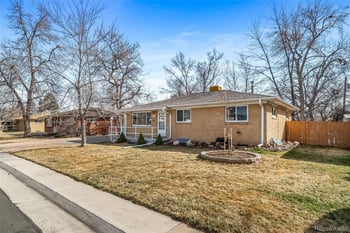

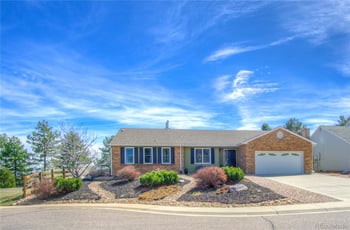
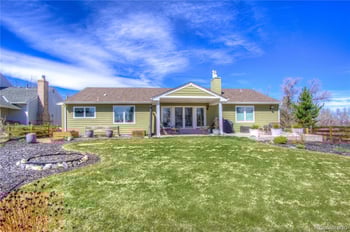



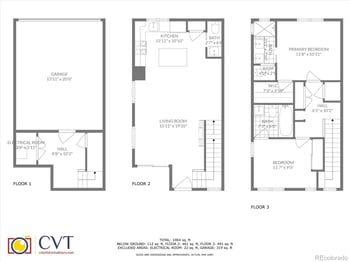
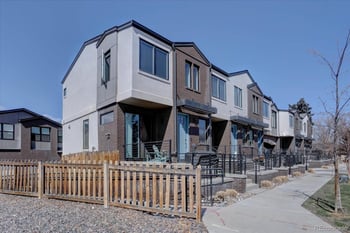
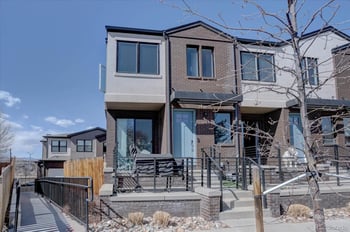
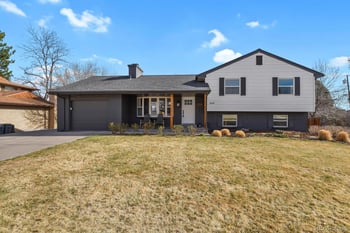
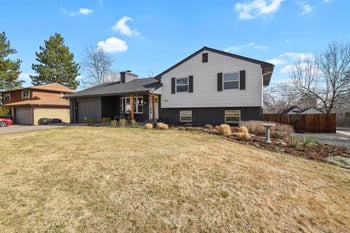
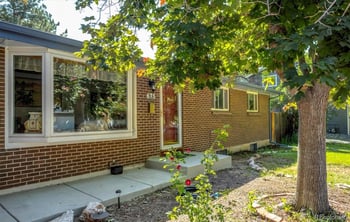
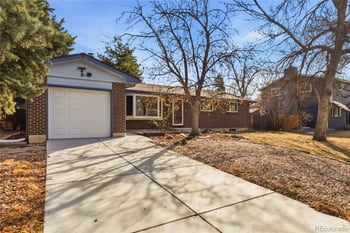
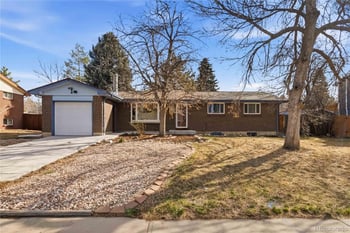
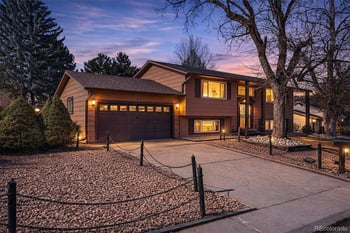
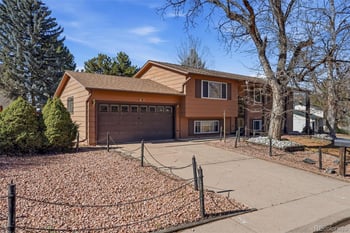
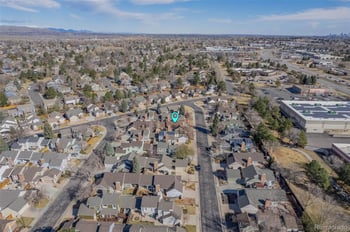
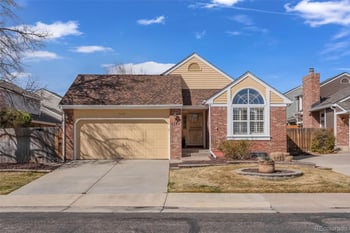
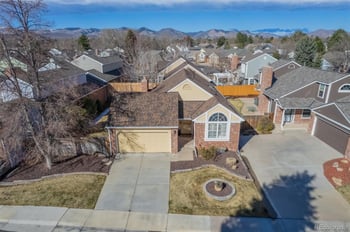
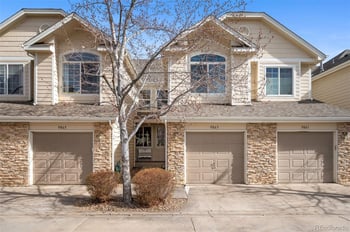
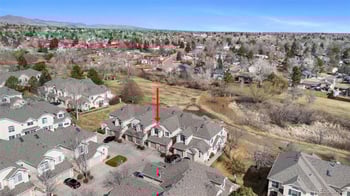
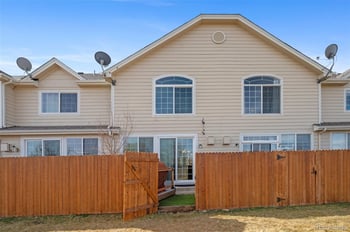
Littleton can feel “easy” in a very specific way: a real downtown you’ll use, trails you’ll repeat, and pockets that live differently even under the same zip code. These cards are meant to help you decide whether Littleton fits your week — and what to verify early so you don’t learn the important stuff after closing.
If a “random weeknight” dinner or coffee is part of your ideal week, Historic Downtown Littleton is one of the south-metro places where that’s normal — not a special occasion.
Littleton is a pockets market. Two homes can both say “Littleton” and still feel very different for errands, noise, and drive patterns. You’ll want to pick the pocket first — then the house.
Being close to South Platte Park, the Mary Carter Greenway, or the High Line Canal can make daily movement easier — but “quick errands” can vary by which side of the main roads you land on.
If your week includes short walks, bike rides, or “clear my head” time, the South Platte corridor and the downtown core are the two lifestyle anchors buyers tend to keep returning to.
A “Littleton” mailing address doesn’t always mean city limits or the same school system. Confirm city limits and school assignment by address, and if you plan to use rail sometimes, check current RTD schedules before you rely on it.
If your priority is “newer + simpler” over downtown charm, buyers often cross-shop Highlands Ranch, Ken Caryl/Littleton foothills edge, and parts of Englewood/Centennial depending on commute and housing style.
Track the real paths: garage → kitchen, bedroom → laundry, bedroom → shower. If the daily routes feel awkward now, they won’t get better later.
Look for shaded driveways and north-facing stretches that stay slick longer than you expect. It’s a small detail that becomes a weekly one.
If your errands require repeated “big road” crossings, the house can feel farther than it looks. Do one quick errands loop after the showing.
Stand outside and listen. If possible, do one morning pass and one late-afternoon pass — those are often the most honest windows.
If a home is near the South Platte or has low-lying yard areas, ask early about drainage history and review flood map context before insurance decisions get serious.
Before you commit to a pocket, check whether the routes you’ll actually use have closures or slowdowns. A small project can quietly change your “quick trip” math.
The clean test is simple: would you go down there on a regular weeknight without making a “thing” of it? If yes, that’s a real lifestyle win.
This area is a good “after dinner” gauge: shade, paths, and a calmer pace. If you light up here, you’ll probably use downtown more often.
More “quick reset” than “big outing.” If you want nearby nature without driving to the foothills, this is a repeat-use place.
Useful when you want “dinner + home” without heading into Denver. It’s a practical option for weeknights, not a destination.
A strong “I’ll do this often” spot — nature access that doesn’t require planning, which is exactly why it matters for day-to-day life.
Great for steady miles and simple bike rides. The real filter is whether the access point feels close enough that you’ll use it without thinking.
A long, steady system that can become part of your routine — if the access point is easy enough that you’ll go on a random Tuesday.
The nearby “big outside” option — water, trails, space. It matters most if weekends for you include walking by water or longer nature time.
The “daily walk” version of a home is simple: can you be walking somewhere pleasant within five minutes of the front door? If not, it’s usually an occasional-walk home, not a daily-walk home.
Many associations handle streets or common areas only. If driveways, front walks, or stoops aren’t clearly included in writing, plan as if they’re yours.
Roof, siding, paint, fences — responsibilities vary widely. Don’t guess based on “townhome” or “patio home.” Confirm the exact split for that community.
Mowing alone is different from trimming, irrigation upkeep, and seasonal cleanup. Ask what’s included, what’s optional, and what’s on you.
Even when exterior items are “covered,” deductibles and cost-sharing can show up at the worst time. Get the HOA insurance summary and ask how claims work.
“Littleton” can show up on the address even when the property sits outside Littleton city limits. Verify city/county first, then confirm the school assignment tied to the address.
You don’t have to have strong school opinions to benefit from clean information. Future buyers often filter fast; verification protects your flexibility.
Run the address in the district’s boundary tool and save the result with your notes. Re-check if the home becomes a finalist (boundaries and rules can change by year).
Don’t tour and leave. Do the grocery/coffee/appointment loop you’ll repeat in real life — and notice whether it feels calm or annoying.
Walk garage → kitchen like your hands are full. Steps, tight turns, and awkward doors are small annoyances that compound fast.
Give it five minutes. If you immediately notice traffic, dogs, or general activity, you’re getting honest information — use it.
If you have to drive to take a decent walk, you’ll do it less often. Homes near the South Platte corridor, the Greenway, or the canal tend to make movement easier.
Littleton tends to attract buyers who are thinking past the move itself. People don’t usually pick it for novelty. They pick it because the week feels workable once you’re settled—errands are straightforward, the pace is calmer, and it’s easy to build routines you actually stick to.
A lot of that comes from how established Littleton feels. Mature streets, older tree canopy, and neighborhoods that don’t feel like they’re reinventing themselves every year. If you’ve lived through constant growth and “everything’s changing” phases, that steadiness can be the whole point.
At the same time, Littleton isn’t stuck. You’ll see pockets that feel refreshed—especially around common errand corridors and newer commercial nodes—while many residential areas still feel consistent year to year. That mix is a big part of why it works as a long-term home base: you can be close to activity without feeling surrounded by it.
Two homes can share a Littleton address and still support very different daily habits. The pocket you’re in matters as much as the house: where you’ll default for a walk, where you’ll do errands, and whether your evenings feel quiet or “more going on.”
If “downtown Littleton” is close enough that you’d go for coffee, dinner, or a simple walk on a random weeknight, it changes how the whole place lives.
Pockets near South Platte Park, the Mary Carter Greenway, or the High Line Canal tend to make movement part of the week, not a weekend project.
One turn off a busier corridor can feel noticeably calmer. The best test is simple: visit once in the late afternoon and once in the evening and see if the pocket matches your noise and parking tolerance.
What surprises a lot of buyers is how quickly the “pocket” starts driving satisfaction. A home can be beautifully updated, but if the everyday stuff feels slightly annoying—crossing the same busy roads for errands, taking an indirect route to your usual stops, or feeling boxed in by traffic at the wrong times—you’ll feel it weekly. That’s why the best Littleton decisions usually start with lifestyle first, and finishes second.
If you’re right-sizing or trying to build a lower-friction week, Littleton often fits because it supports “settle-in” living: established neighborhoods, reliable routines, and enough nearby options that you don’t have to make everything a plan. The win is long-term comfort—especially when you choose the pocket that matches how you actually live.
Downtown Littleton works because it’s practical. This isn’t a “cute once a month” Main Street—this is where you can actually grab coffee, meet someone for an easy dinner, pick up a book at Bemis, and call it a normal weekday.
If you’re the kind of buyer who wants to leave the car parked sometimes (not never—just sometimes), this is one of the most straightforward setups in the south metro. The trade-off is that “easy and close” comes with a little more day-to-day activity, especially as you get closer to the core.
The buyers who end up happiest near Downtown Littleton are usually the ones who value “easy and usable” over “big and isolated.” If you want a place that supports ordinary days—walks, quick meals, familiar stops—this pocket tends to hold up well over time.
In Littleton, “getting outside” doesn’t have to be a weekend project. In the right pocket, a walk by the river or a loop on a trail can happen between normal life beats—after coffee, before dinner, or when you want a quiet reset without driving to the foothills.
The simplest filter is the one that holds up after closing: can you be walking somewhere you actually enjoy within five minutes of the front door? If the answer is yes, Littleton tends to feel easier over time—especially for buyers who want a steady routine and a lower-friction week.
Homes that “age well” here are usually the ones where movement is built into the day. When walking and fresh air don’t require planning, the whole place tends to feel easier to live in—year after year.
In Littleton, daily convenience is less about mileage and more about where your routine lands. Two homes can be the same distance from groceries and appointments and still feel very different if you’re repeatedly crossing Santa Fe Drive (US-85), Broadway, or the South Platte River for everyday stops.
Buyers who feel settled here usually choose a pocket where their regular stops line up in one direction—groceries, pharmacy, coffee, and appointments—so quick trips stay simple.
Over time, the easiest homes to live in are usually the ones where errands and appointments don’t require extra crossings or complicated routes. When your regular stops line up with your location, the area feels simpler without you having to manage it.
In Littleton, the outside-work reality can change a lot from one home to the next—even when the homes look similar on paper. The difference is usually not the yard itself. It’s the responsibility split: what you handle personally, what an HOA handles (if there is one), and what still falls on you even when the community advertises “low maintenance.”
If you’re downsizing, planning to stay put, or trying to keep your week simple, treat this like a lifestyle decision. The goal is to understand the home’s maintenance load before the first winter or the first big exterior repair makes it obvious.
If you want a neutral, state-level reference for HOA basics in Colorado, the Colorado Division of Real Estate HOA resource pages are a solid starting point: Colorado DRE HOA Office.
Done condition: you can say, plainly, what the HOA handles (if anything), what you handle, and what your winter plan is for the entry, driveway, and sidewalks. If you can’t answer that yet, you’re still guessing about how the home will feel after closing.
In Littleton, school assignment is not something you can safely assume from the city name alone. A “Littleton” mailing address can land in different districts, and buyers often filter by district or by specific neighborhood schools even if they do not plan to use them. The practical move is simple: treat schools as an address-level fact you verify early, then move on with clarity.
Before you assume services, rules, or schools, confirm whether the home is inside Littleton city limits and which county it sits in. This prevents “surprise jurisdiction” issues later.
You do not need a strong opinion about schools to benefit from this check. You just want clean, defensible information tied to the address so you are not relying on hearsay if the home becomes a finalist.
Boundaries, program availability, and enrollment rules can change. Treat any school language in a listing as “needs verification,” and re-check once the home is on your short list.
Use official tools where possible. If your address lands near a boundary, run the lookup twice (once early, once when you are serious), and save the result with your notes.
If the home is in Littleton Public Schools, use the district’s official boundary / route / locator resources and confirm what applies to your address and grade level.
If the address is in Jefferson County, use the official Jeffco locator to confirm neighborhood schools tied to the address.
If the address falls in Douglas County, use the district’s locator to confirm assignment and then confirm current-year enrollment steps.
You have a saved, address-based result showing (1) the district, and (2) the neighborhood schools or assignment method for the grade level you care about—plus a note to re-check for the current school year if the home becomes a finalist.
This is not about chasing rankings. It is about reducing uncertainty. When you confirm the district and assignment early, you stop guessing and you keep your attention on the things that will shape daily life: layout, upkeep, noise, errands, and how the location feels when you repeat it.
In Littleton, the noise issue is often not “constant loud.” It is intermittent: a traffic surge, a train pass-through, a busier cut-through street that spikes at certain hours. That can be easy to miss during a showing and very obvious once your patio, bedroom window, or home office is part of your normal week.
These connectors can create “waves” of sound depending on time of day and where the home sits (setback, elevation, fences, and tree cover all change what you experience at the yard and inside the house).
If you are close to Downtown Littleton Station or Littleton–Mineral Station, treat train activity like any other lifestyle input: it may be a non-issue, or it may be the thing you notice at night.
In an established place like Littleton, “close to the action” and “quiet at home” are often separated by a block or two. The only honest way to know is to check the exact yard and the exact rooms you will use most.
You can say, plainly, whether the outdoor space and the main rooms feel calm enough for your normal week—sleep, calls, and evenings— without relying on how the home felt during a quiet showing.
This is not about finding “perfect silence.” It is about matching the home to your tolerance. Some buyers like a little movement in the background. Others want the kind of quiet that makes the house feel like a reset. In Littleton, the difference is often location-specific—so check the exact spot.
These answers are meant to be checkable. When something varies by pocket, city limits, school year, or HOA documents, the steps below show you how to verify it early—before you get attached to the finishes.
Littleton tends to fit buyers who want an established home base: mature neighborhoods, predictable routines, and easy access to everyday walk-and-reset options. The best “fit” pockets are usually the ones where you’ll actually use Downtown Littleton/Main Street, a nearby trail, and your normal errands without turning everything into a drive across town.
A quick self-check: if you care about daily walks, simple weeknight outings, and a calmer long-term rhythm, Littleton is often worth a serious look.
Not always. “Littleton” can be a mailing address while the property sits outside city limits—which can affect services, rules, and sometimes taxes or districts.
Verification habit: run the exact address through the City of Littleton’s Address Wizard / City Limits tools, then note the county and jurisdiction in your listing notes. Address Wizard | City Limits map
No. Homes with “Littleton” in the address can land in different districts, sometimes within a short distance of each other. Even if you don’t have kids at home, it’s still a resale-relevant detail because future buyers often filter by district early.
Verify by address using official tools, and re-check for the school year you care about: Special District Look Up Map (city tool) | Littleton Public Schools boundary/locator | Jeffco School Finder | Douglas County School District locator map
Don’t decide from photos or a quick showing. In Littleton, the surprise is often intermittent sound—traffic surges, trains, delivery routes, and activity that comes in waves.
5-minute outside noise check:
If you’re near Santa Fe Drive, a light-rail corridor, or a busier commercial edge, this check is especially worth doing.
Yes—especially in townhomes, patio-home communities, and some newer pockets. The key is that “covered” can mean very different things from one HOA to the next.
Verify in documents (before you assume “low maintenance”):
For a neutral Colorado overview of HOA governance and consumer resources: Colorado DRE HOA Center.
It depends on the pocket. Downtown Littleton/Main Street is one of the places where walking to coffee, a park, the library, or a quick dinner can be part of a normal week. Other parts of Littleton still live like typical south-metro patterns: driving is normal, but errands can be easy if they line up with your routes.
Practical test: take the address and map your real routine (groceries, pharmacy, appointments, your usual “walk spot”). If those stops sit in one direction and don’t require repeated major crossings, daily life tends to feel simpler.
Buyers usually cross-shop based on the one friction they’re trying to solve. If you want a more planned, newer-pocket feel, Highlands Ranch is a common comparison. If you want a different commute pattern or a different mix of quiet and convenience, parts of Englewood or Centennial often come up.
The clean method: name the one thing you’re optimizing (daily walk access, errands friction, noise tolerance, HOA coverage), then compare areas using that same lens.


