$600,000
Active
3
Beds
2
Baths
1729
Sqft
0.12
Acres
8994 Bermuda Run Cir, Highlands Ranch, CO 80130
MLS#: REC3878838
Highlands Ranch homes for sale are built around a planned-community day-to-day that’s easy to picture once you’ve driven Town Center—Civic Green Park, the library on Ridgeline, and the Highlands Ranch Town Center shops give the area a real “default stop” for coffee, errands, and meeting up without going all the way into Denver. What makes Highlands Ranch feel different is how much life stays outdoors: the Metro District trail network connects neighborhoods in a way that actually gets used, and the Backcountry Wilderness Area is right there when you want dirt trails and wide-open views instead of another treadmill session. The payoff is a clean, organized daily pace with trails and open space baked into your week, not treated like a special occasion. The trade-off is that convenience comes with rules and timing—many neighborhoods have HOA-style guidelines, and traffic can bunch up around school pickup windows and the C-470 ramps (especially near Lucent/Highlands Ranch Parkway), so where you sit in Highlands Ranch matters more than it looks on a map. Scroll below to view current Highlands Ranch listings.
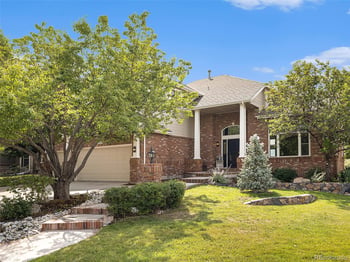
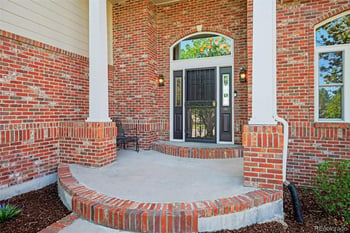


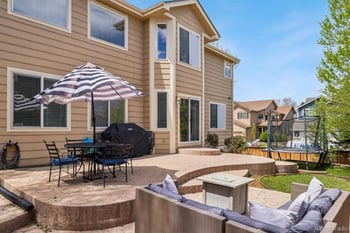
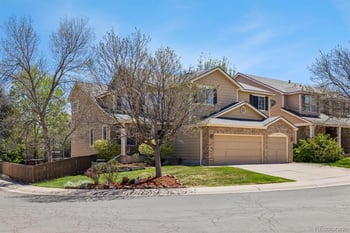
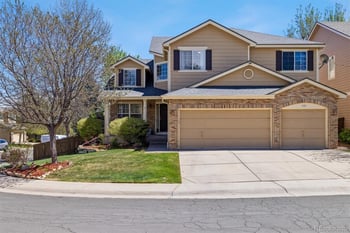


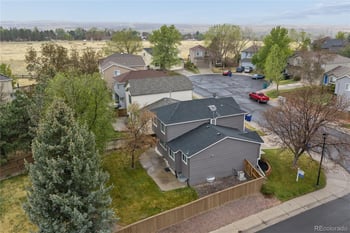
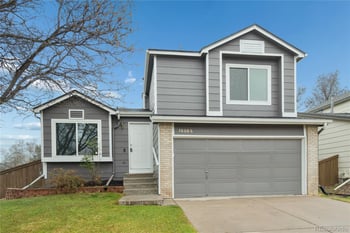
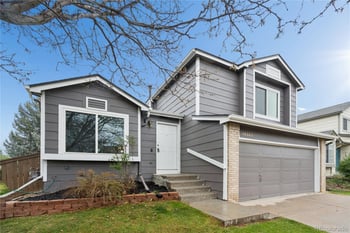




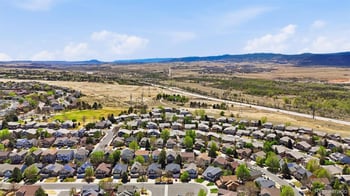
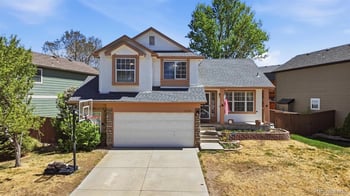
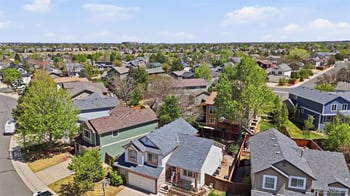
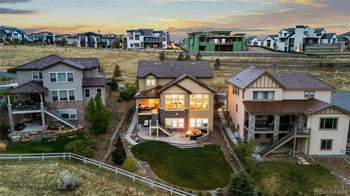
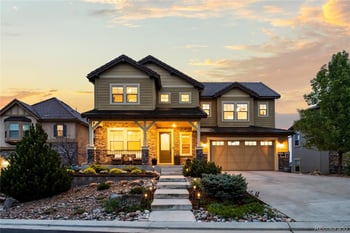
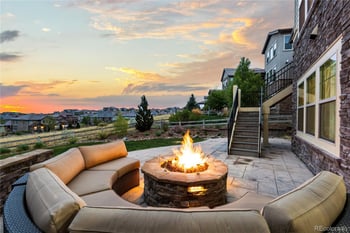
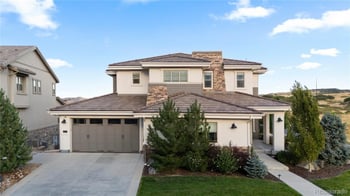


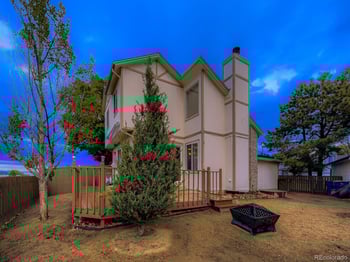
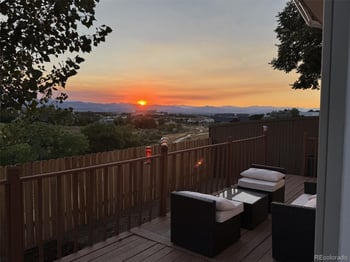
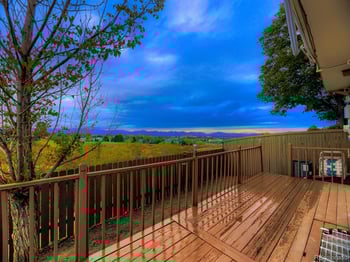
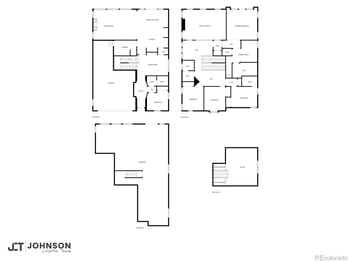
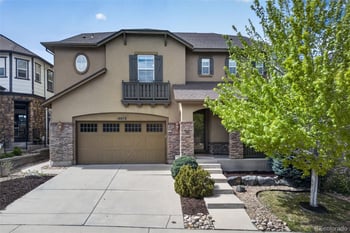
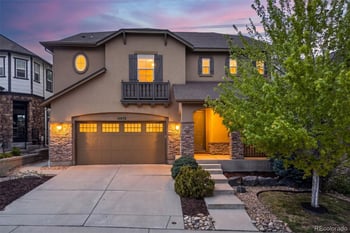
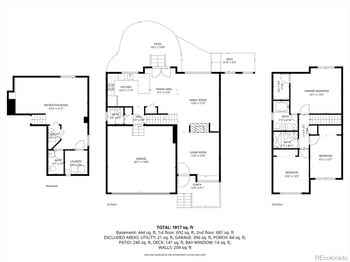
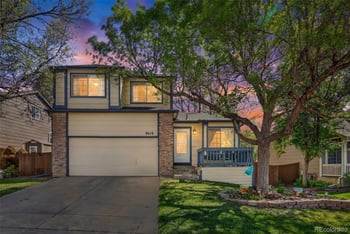
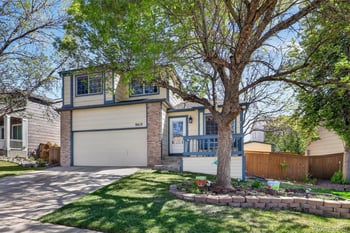


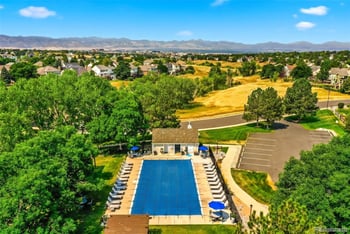
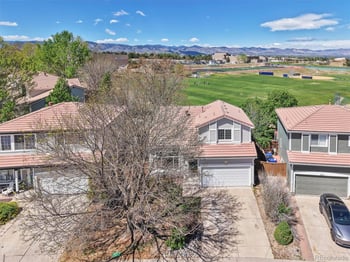
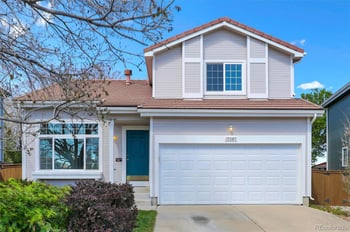
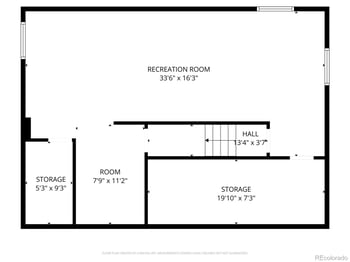
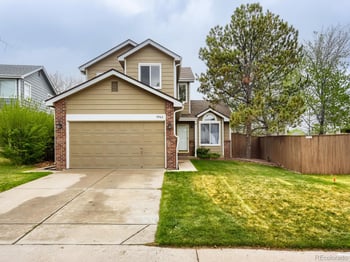

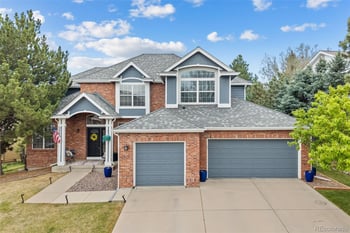
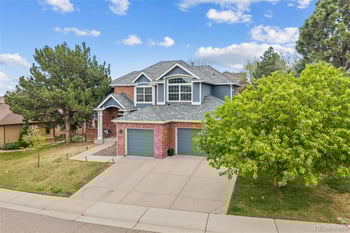
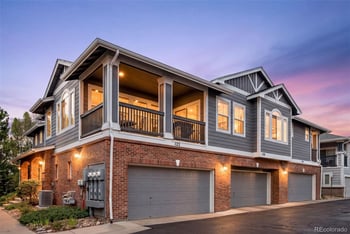
This is the day-to-day perk that makes Highlands Ranch feel “easy.” Association access includes four full recreation centers, so routines don’t depend on weather or motivation. Many 55+ residents rotate between centers the way other places rotate coffee shops—classes, walking tracks, pickleball, pools, and the small “I’ll just go for an hour” habits that keep weeks feeling active.
Highlands Ranch is one of those places where portal estimates can mislead you, because the Metro District publishes its own budget, mill levy, and fee schedule. For a downsizer, the real win is predictability—knowing what you’re committing to, and whether the “lower taxes” story is true for the specific home you’re considering.
The 8,200-acre Backcountry Wilderness Area is a real quality-of-life edge here. It’s HRCA-managed open space with restricted public use—so it generally feels less crowded than the usual “regional park trailhead” experience. Locals treat it like a regular reset, not a special occasion.
This is one of the biggest “settling-in” accelerators for 55+ buyers. The Highlands Ranch Senior Center runs like real social infrastructure—fitness, enrichment, interest groups, and low-pressure ways to meet people without feeling like you have to “start over” socially after a move.
Highlands Ranch is consistent on purpose. The standards can feel firm, but they’re why neighborhoods hold together over time—especially for buyers who want “lock-and-leave” peace of mind. The honest trade-off: if you want maximum freedom with exterior changes, parking flexibility, or “do what I want” latitude, you’ll want to read the rules early.
In Highlands Ranch, a normal weekday can be simple: a morning class or walk loop, errands near Town Center, and a late-afternoon reset at Backcountry—without having to “plan” your activity. That’s the real value: the area gives you defaults that make healthy, social, low-friction living easier to sustain.
Verification resources: 2026 Metro District Budget, Mill Levy & Fees | Highlands Ranch Senior Center | Backcountry Wilderness Area
Highlands Ranch works because most days are simple. Streets are familiar, routes are predictable, and you don’t spend much time figuring things out once you’re settled. It’s not a place that tries to impress you—and that’s exactly why a lot of people end up staying.
Mornings usually start close to home. A walk around the neighborhood, a class at a rec center, or a quick coffee run near Town Center before traffic thickens up along Broadway. Because the neighborhoods are set back from the main roads, interior streets stay quiet even during busy parts of the day. It’s one of those things you don’t notice at first, but you miss it immediately when you’re somewhere else.
One change people talk about lately is how the Highlands Ranch Senior Center has become part of weekly life. It’s not something you plan around—it just slips into the routine. Fitness classes, interest groups, drop-in programs. You start recognizing faces without trying, and connections form naturally instead of feeling forced. The rec centers are still a big part of life here, but the senior center has added another easy place to land during the week.
Errands are easy, and that ends up mattering more than people expect. Whether you’re in Westridge, Eastridge, or one of the older filings, most everyday stops—groceries, pharmacy runs, basic appointments—stay inside the Ranch. You’re not constantly hopping on the highway just to get through a normal day. When you do leave the area, people tend to stick with the same handful of routes they know well. Between surface streets and recent improvements along C-470, getting in and out feels more predictable than it used to.
The trade-off is that Highlands Ranch doesn’t chase novelty. The look stays consistent, routines don’t change much, and the area doesn’t reinvent itself every few years. For some people, that feels boring. For others—especially those who value predictability, low stress, and knowing how their days will flow—it’s exactly the point.
The rec centers are one of those things people hear about before they move here, but don’t really understand until they’re part of everyday life. In Highlands Ranch, they aren’t something you “go check out.” They quietly shape how weeks are built.
What throws a lot of newcomers off is that there isn’t just one center. There are four. At first that sounds overwhelming, but in practice it isn’t. Most people settle into one or two that fit how they like to move, socialize, and reset during the week.
Northridge tends to attract people who like structure—lap swimming, indoor walking in the winter, tennis, and routines that don’t change much week to week. It’s practical and familiar, which is why many residents default to it once they find their rhythm.
Southridge feels more social. The pottery studio, classes, and performances give it a “linger a little longer” energy. It’s common to see people arrive for one thing and stay for another, especially if they’ve lived here long enough to recognize faces.
Westridge has become a bigger conversation lately. After its recent updates, it’s where people go for recovery-focused routines—sauna time, cold plunges, pickleball, and turf workouts. It attracts the most active crowd, but without feeling loud or chaotic.
Eastridge feels busier and more energetic, with larger pools and open layouts. Some people love that pace; others prefer it earlier in the day when it’s calmer. Like everything else here, it’s about timing and preference more than “better or worse.”
The rec centers are included through the homeowners association. The Senior Center is a separate facility with its own membership. Most people end up using both, but they serve different purposes and are funded differently—something that’s helpful to understand early on.
Over time, the rec centers stop feeling like “amenities” and start feeling like infrastructure. They give shape to the week—something to do without planning, a reason to leave the house without effort, and a way to stay connected without forcing it.
One of the quiet strengths of Highlands Ranch is how easy it is to get outside without making a plan. Most people aren’t chasing big hikes during the week—they’re fitting in a walk, clearing their head, or getting a little movement without rearranging the day.
Around here, outdoor time usually falls into two buckets: the paved neighborhood trails you use all year, and the more natural Backcountry trails you save for when conditions are right. Knowing the difference matters, especially in winter.
These are the paths most residents rely on day to day. Sections of the High Line Canal Trail and the Mary Carter Greenway run close enough to neighborhoods that you don’t have to drive to use them. They’re paved, mostly flat, and clear faster in winter—so they stay part of the routine even when the weather turns.
When people want something more open and scenic, they head to the Backcountry Wilderness Area. Access is managed through the community, so it generally feels calmer than public trailheads.
Local winter note: The Wildcat Mountain section closes each year from January through March to protect wildlife. During that stretch, most people stick to the paved routes and come back to Backcountry in spring.
The trade-off is that this isn’t rugged mountain terrain. Elevation changes are manageable by design. For people who want steep climbs every day, it can feel tame. But for those who value consistency—knowing they can get outside most days of the year without overthinking it—that balance is exactly what makes it work.
Highlands Ranch doesn’t have a traditional downtown, and most people here don’t really want one. Instead, everyday life tends to orbit around Highlands Ranch Town Center and the nearby Civic Green Park. They’re familiar places—easy to drop into, easy to leave, and woven into normal routines rather than special occasions.
Town Center is where people take care of the basics without thinking much about it. Coffee, the library, a quick lunch, a stop after a rec center class. It’s not curated or flashy, and that’s why it works. Over time, you start recognizing faces—especially on weekday mornings—when errands turn into quick conversations.
Civic Green functions like the neighborhood’s shared living room. In warmer months it hosts concerts and casual gatherings near the James A. Michener Library. In winter, it’s quieter—used for short walks, sitting breaks, or a loop before heading back home. It stays part of life year-round without needing an event to justify being there.
A lot of social interaction here happens by accident. A seat on the patio at Lansdowne Arms, a quick stop near the library, or a walk past the Northridge Recreation Center. These aren’t destinations—they’re places people pass through often enough that connections feel natural.
If you’re moving from a place with a busy urban core, don’t look for a “scene” here. Look for repetition. The same coffee stop. The same walking loop. The same faces a few times a week. In Highlands Ranch, that quiet consistency is where community actually forms.
Highlands Ranch is a mature community, and that shapes the real estate conversation here. This isn’t a place people choose for the newest build or the latest design trend. They choose it because the neighborhoods work, the layouts make sense, and the locations hold their value over time. Most buyers are thinking in terms of comfort, efficiency, and how well a home will serve them for the long haul—not just how it looks on day one.
You’ll find a wide range of housing styles, but what matters most is how those homes live day to day. The differences between neighborhoods show up less in price brackets and more in lot size, floorplan flexibility, and how close you are to trails, rec centers, and Town Center errands.
Most homes fall under the main community association, but some neighborhoods also have a smaller sub-association layered on top. This can affect exterior rules, landscaping responsibilities, and monthly dues. It’s not a downside—just something locals always check early so there are no surprises later.
The trade-off with Highlands Ranch real estate is that it doesn’t reinvent itself every few years. Streetscapes are consistent. Rules are enforced. Change happens slowly. For buyers who want variety or architectural experimentation, that can feel limiting. But for those who value predictability, stable neighborhoods, and homes that age well, that consistency is exactly the point.
One of the quiet advantages of living in Highlands Ranch is how little time healthcare tends to take out of your week. Most appointments don’t turn into half-day events, and you’re rarely fighting traffic or hunting for parking just to get routine things done. That matters more over time than people expect.
For many residents, everyday care stays close to home. Primary care, labs, physical therapy, and imaging are spread throughout the community, which means most visits fit naturally into the day instead of forcing a schedule around them. It’s common to stack an appointment with a grocery stop or a walk afterward without leaving the Ranch.
The pattern is simple: stay local for routine needs, and go north only when you need something more specialized. Most people figure this out quickly and then rarely think about it again.
When specialist care is needed, most residents head toward the Lone Tree medical corridor. The drive is short and familiar, and by 2026 many people use surface routes through RidgeGate instead of defaulting to I-25. It’s one of those small local habits that makes appointments feel calmer and more predictable.
The Senior Center has quietly become part of many people’s health routine—not just for classes, but for wellness talks, screenings, and programs that help residents stay active without making it feel clinical. It’s one more example of how healthcare here blends into daily life instead of standing apart from it.
The trade-off is that Highlands Ranch isn’t where you go for cutting-edge experimentation or boutique medical experiences. What it offers instead is consistency—places that are easy to reach, easy to park at, and easy to build into a normal week. For many buyers, that reliability ends up mattering more than anything else.
A lot of people who choose Highlands Ranch don’t have school-age kids—and that’s common here. What still matters is how schools influence resale. Not because of rankings talk or bragging rights, but because future buyers will absolutely factor them in when comparing similar homes.
Highlands Ranch is served by a large, well-established school district, and inside the Ranch, school assignment quietly shapes demand from one neighborhood to the next. In recent years, the district has been actively adjusting boundaries and consolidating campuses to respond to changing enrollment. That means assumptions don’t age well—verification does.
The trade-off is structure. Highlands Ranch doesn’t offer much flexibility when it comes to school boundaries, and that’s intentional. Buyers know what they’re getting, sellers can explain it clearly, and that predictability helps keep demand steady even when the broader market shifts. Whether or not schools affect your daily life, they remain part of the long-term math.
One of the reasons Highlands Ranch works so well for long-term living is that most days don’t involve much driving at all. Daily life is designed to stay inside a comfortable bubble—errands, appointments, recreation, and social time all sit close enough that you rarely feel rushed or boxed in by traffic.
People who live here tend to organize their routines around staying local. Groceries, pharmacy runs, fitness classes, and casual meetups usually happen within a few familiar miles. Over time, you stop thinking about routes altogether—you just go, handle what you need, and come back without it feeling like a project.
Most residents handle the majority of their week without touching a highway. Town Center, neighborhood retail pockets, medical offices, and recreation facilities are spaced intentionally, so daily movement feels calm and repeatable rather than reactive.
When people do head out—to Denver, Castle Rock, or the Tech Center—it’s usually intentional. Highways are close enough to be practical, but far enough that they don’t dominate daily life. Many residents quickly learn a handful of surface routes that feel steadier than relying on interstates alone.
Highlands Ranch isn’t built for spontaneity across the metro. It rewards routine. If you want variety every night or constant movement between neighborhoods, it can feel repetitive. But if you value days that run smoothly—with fewer decisions, fewer delays, and less driving—that consistency becomes one of the biggest quality-of-life advantages.
Highlands Ranch is easy to like on day one. It’s clean, organized, and everything feels close at hand. The surprises don’t show up right away—they tend to surface after a few months, once routines settle in and the details start to matter. None of these are deal-breakers. They’re simply the trade-offs that come with how the community is designed.
The upside to all of this is predictability. Neighborhoods don’t change quickly. Standards stay consistent. Daily life runs smoothly once you understand how the systems fit together. Buyers who appreciate structure and routine tend to feel at home here for a long time. Those who expect spontaneity or constant change usually figure that out early.
Knowing these details ahead of time doesn’t make Highlands Ranch less appealing—it makes it easier to choose the right home, the right neighborhood pocket, and the right expectations from the start.
For many buyers, yes—especially if you value consistency. Most neighborhoods operate under clear HOA standards that keep landscaping, exterior appearance, and common areas predictable. That structure is what makes daily life feel easy here, but it also means you’ll want to understand the rules before assuming flexibility. If your idea of low-maintenance is fewer surprises and fewer neighbor disputes, Highlands Ranch usually delivers.
Highlands Ranch is structured a bit differently than nearby towns. A portion of long-term infrastructure costs shows up through utilities and service fees rather than only through property taxes. The smart move is to review recent utility averages for any home you’re considering so you understand the full monthly picture. It’s not a hidden cost—just a different place where the math shows up.
There are two systems, and that distinction matters. The paved community trail network is open and designed for everyday use—walking, jogging, and connecting neighborhoods. The Backcountry Wilderness Area operates more like a private open-space amenity with access rules and seasonal management. If trails are part of your daily routine, it’s worth confirming which paths stay open year-round and which ones are managed differently.
They do—mostly because future buyers will factor them in. In Highlands Ranch, school assignment is one of the quiet filters people use when choosing between similar homes. You don’t need to be invested in rankings to benefit from clarity. Homes with easily verified school assignments and stable feeder patterns tend to feel safer to relocating buyers, which helps when it’s time to sell.
Focus on day-to-day comfort. Look at what exterior changes require approval, how landscaping standards are enforced, and whether any major projects or assessments are planned. If you travel often, ask about parking rules and how long a home can sit unattended. The goal isn’t to avoid HOAs—it’s to make sure the rules match how you actually live.
Expecting it to feel spontaneous. Highlands Ranch is designed to run smoothly—familiar routes, consistent neighborhoods, and predictable routines. For many people, that feels like relief. For others, it can feel too structured. Buyers tend to be happiest here when they choose it for ease and reliability, not for constant variety.


