


$749,900
Pending
5
Beds
5
Baths
3173
Sqft
0.11
Acres
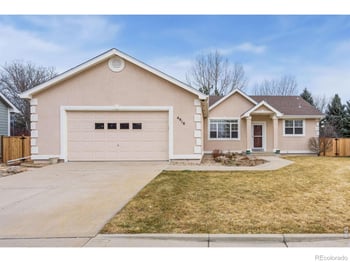
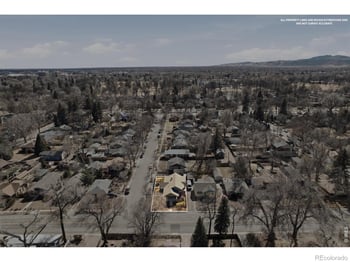
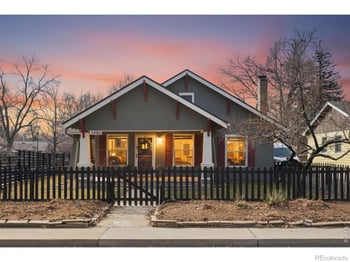
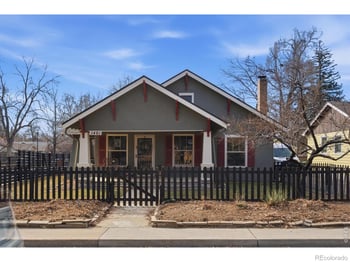
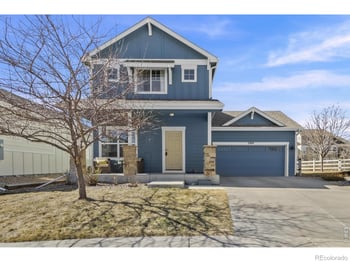
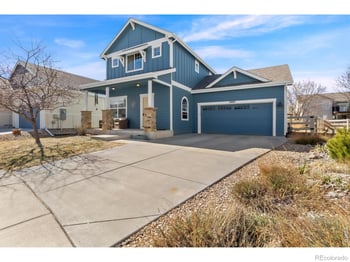
1814 Crested Lark St, Fort Collins, CO 80528
MLS#: RECIR1052983
Fort Collins homes for sale cover a wide range of lifestyles, but the city’s day-to-day tends to organize itself around a few real touchpoints: Old Town’s restaurants and events, Colorado State University’s campus energy, and the outdoor pull of the Poudre River Trail and Horsetooth Reservoir on the west side of town. Depending on where you land, your normal week might look like bike rides that start near the river and end downtown, quick dinners around Old Town Square, or a straight shot out to the foothills when you want trails and water without driving deep into the mountains. The sweet spot here is having a true city center and real outdoor access in the same routine, which is why Fort Collins feels more “livable” than a lot of Front Range places that lean hard in only one direction. The trade-off is that it’s still a working city with real pinch points—College Avenue and Harmony Road can stack up during peak hours, and pockets near campus can feel busier when school is in session—so location inside Fort Collins matters more than it first appears. Scroll below to view current Fort Collins listings.
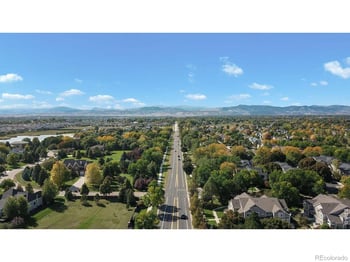
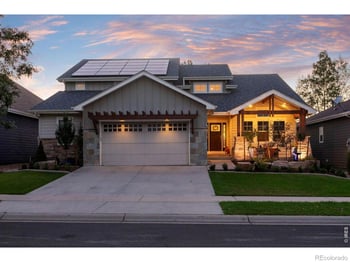
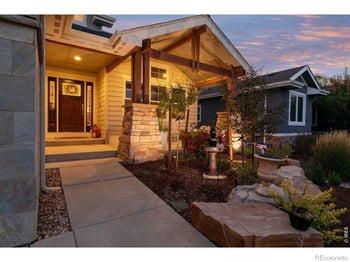
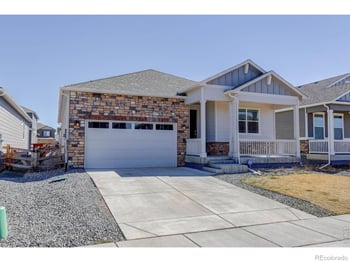

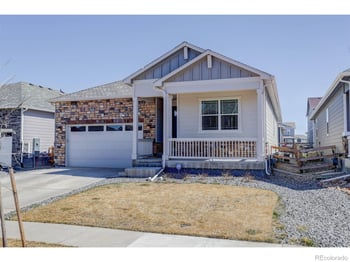
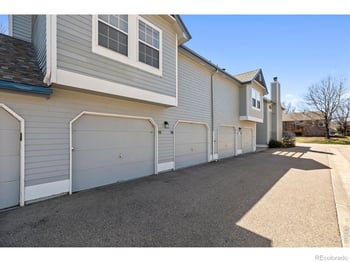
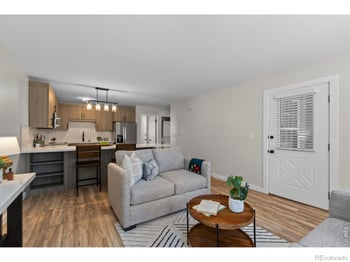
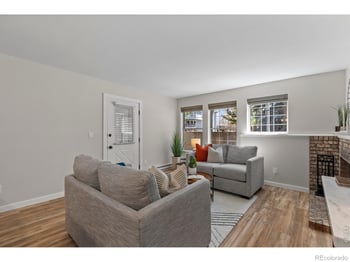
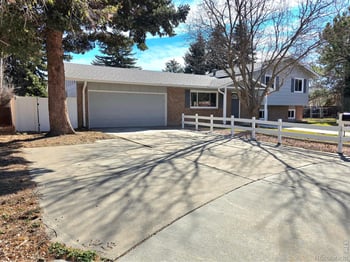
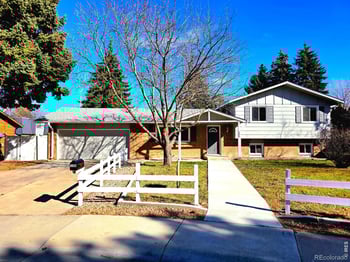
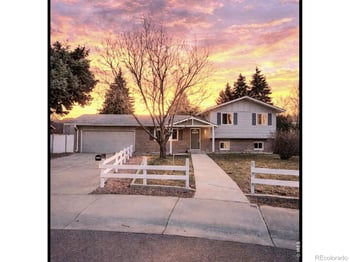
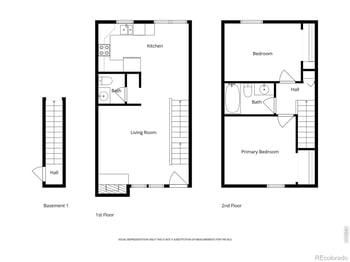
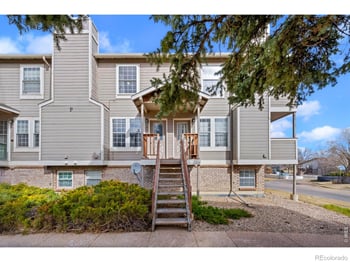
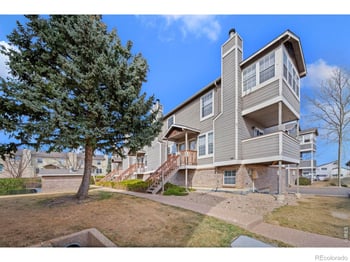
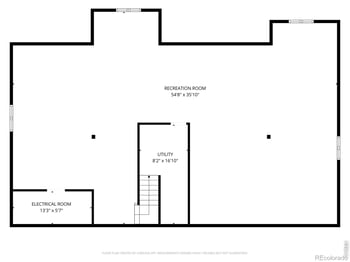
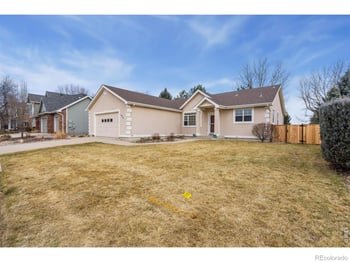
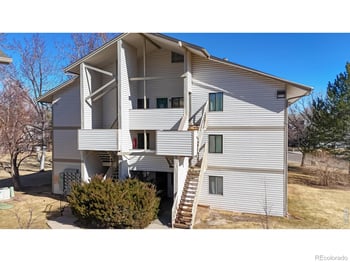
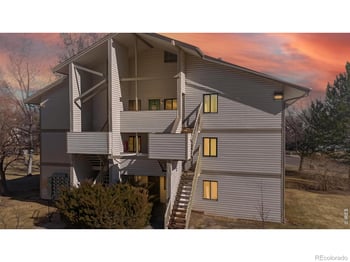
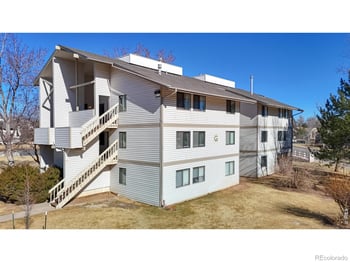
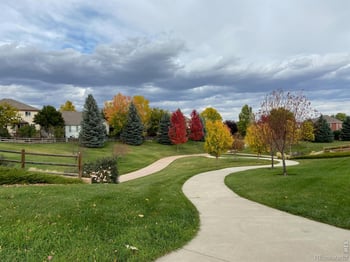
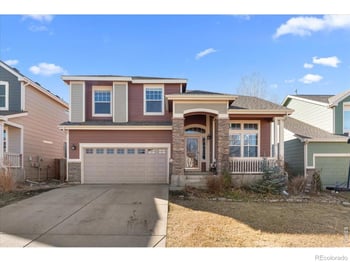
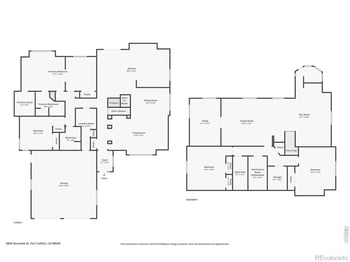
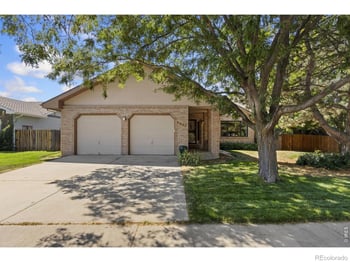
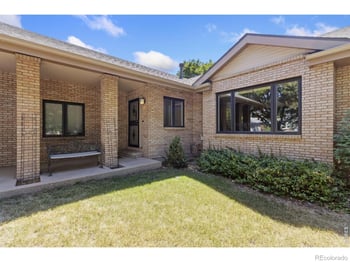
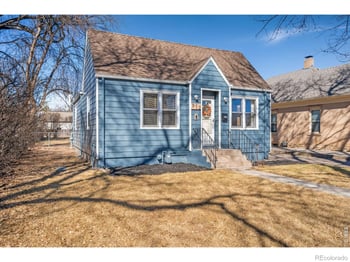
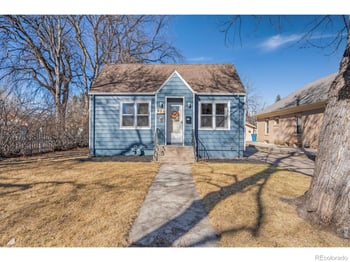
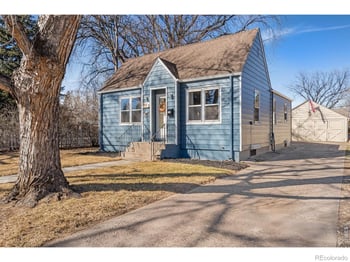
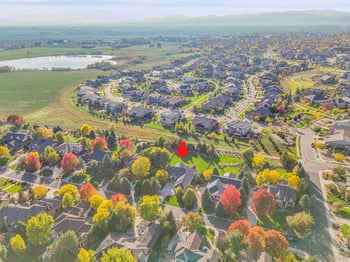
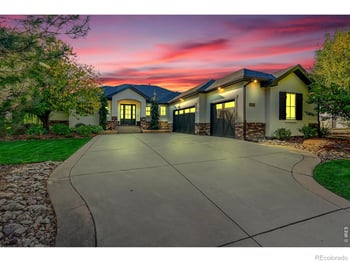
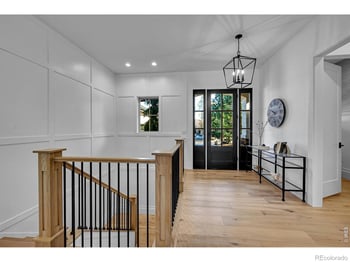
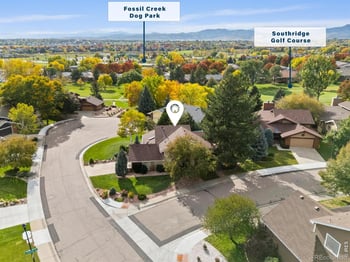
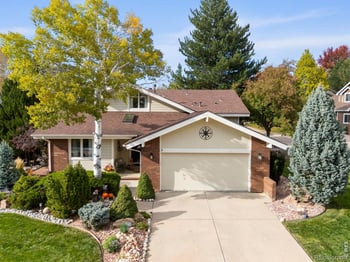
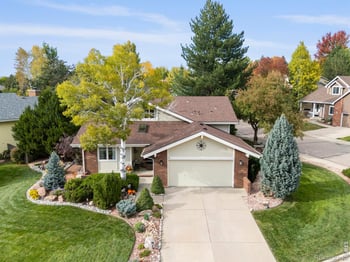
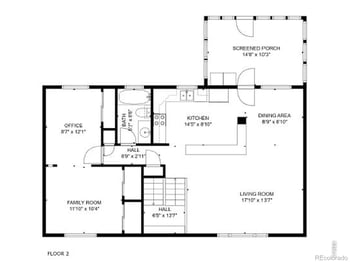
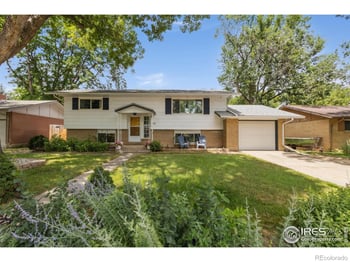
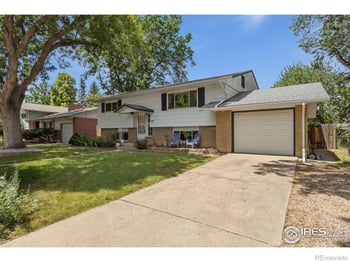
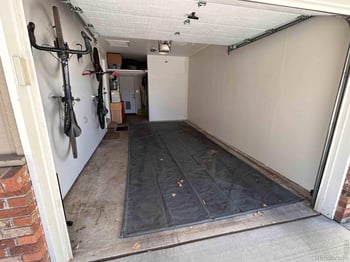
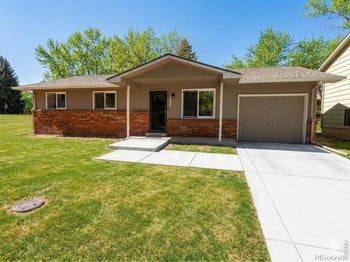
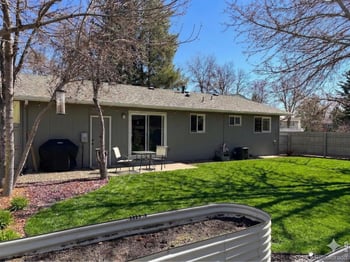
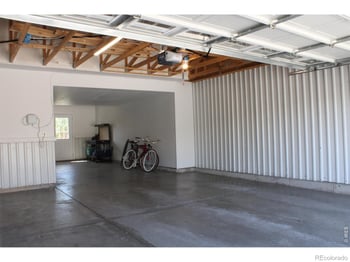
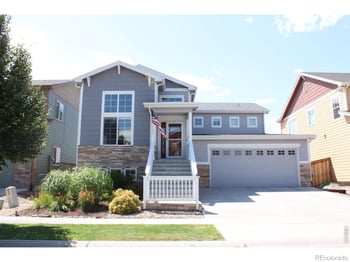
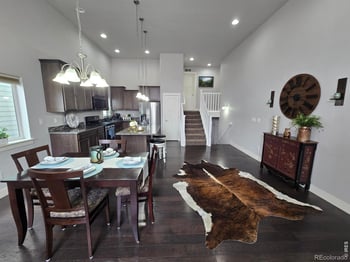
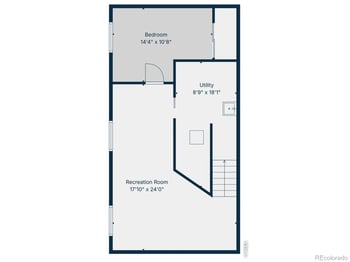
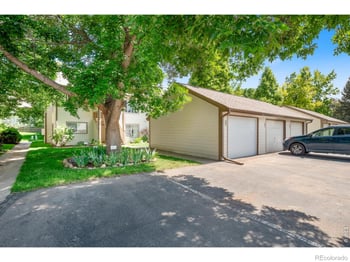
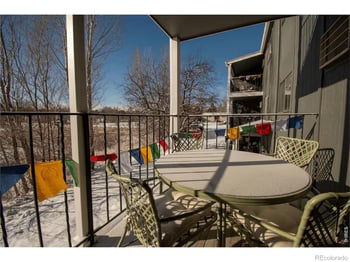
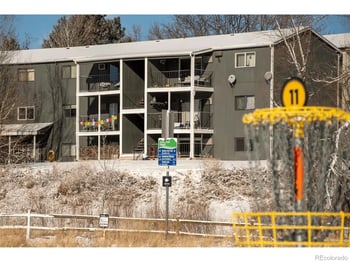

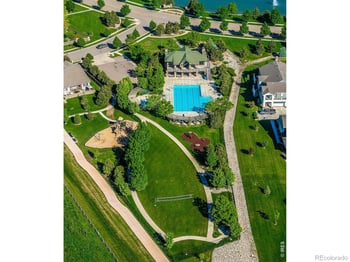
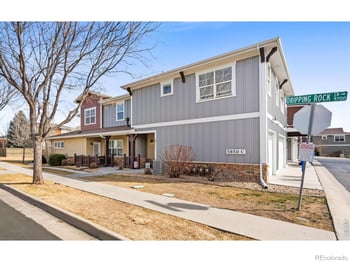

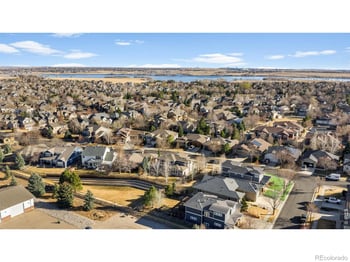
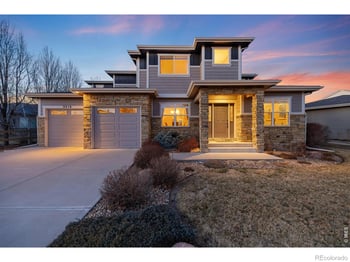
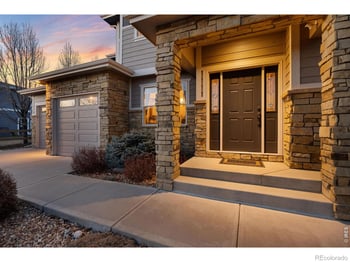


This section is designed for fast decision-making. It helps you filter Fort Collins homes for sale and Fort Collins real estate listings with fewer surprises, then makes it easy to verify the details that matter (schools, internet, utilities, floodplain, and drive reality) by address. For safety research, use official incident/crime mapping tools for the specific area you’re considering rather than guessing from vibes.
If your routine touches Loveland, Windsor, or Denver, pay attention to how quickly you can reach I-25 from your address—because that choice often matters more than the zip code.
A lot of Fort Collins “where should we live?” decisions come down to whether your errands, dining, and appointments naturally land near College (US-287) or around the Harmony side of town.
If you’re near stops and your week includes CSU or Old Town, MAX can reduce driving friction—especially when parking is tight on busy Old Town weekends or around CSU event days. Verify: Transfort MAX route & service notes
For most buyers, access is about getting to places like South Bay or Inlet Bay easily—not having a water view. If summer parking or boat ramps matter, check the county’s updates. Verify: Larimer County Horsetooth info
Don’t assume internet is uniform across Fort Collins real estate listings. Treat it like a checklist item before you book your second showing. Verify: Connexion service availability
Many buyers end up filtering around which hospital campus is simpler to reach from home—UCHealth Poudre Valley Hospital (Lemay) or Banner (Harmony/Lady Moon).
You like the idea of evening walks on the paved trail system, quick drives to Spring Canyon Park or Horsetooth, and still having errands and appointments feel straightforward.
Parts of Old Town support a walk-to-coffee lifestyle, but many Fort Collins home searches still assume you’re driving for the full weekly routine.
If you’re equity-rich and prioritizing comfort and ease, focus on layouts that stay simple in winter, have practical storage, and don’t create maintenance surprises.
If you’re looking at Fort Collins homes for sale, it helps to shop this page the same way you’d shop the city in real life: with your weekly routine in mind first, and the “nice-to-haves” second. On a map, everything can look close. In practice, your experience is usually decided by a few familiar connectors—I-25 when life pulls you out of town, and College Ave (US-287) when your week happens in Fort Collins. That’s why the fastest way to narrow Fort Collins real estate listings isn’t scrolling longer—it’s filtering smarter.
The other shortcut is adopting a “verify-by-address” posture early. In plain terms, that means you treat each finalist like a mini checklist: confirm the items that can’t be guessed from photos (map layers, service availability, and any known deal-breakers) before you invest more time and emotion. Floodplain screening is one of the cleanest examples, and it takes a minute.
Before you get attached to a specific Fort Collins home, run the address through the City’s RiskMap. If anything flags, it doesn’t automatically mean “no”—it means you ask better questions earlier (lender, insurance, disclosures) instead of discovering it late in the process.
If you take nothing else from this section, take this: homebuyers usually decide “fit” by how a weekday route feels, not by a radius on a map. Use the filters above to narrow quickly, then verify the finalists by address so your showing schedule stays focused on homes that truly match how you want to live here.
If you’re scrolling Fort Collins homes for sale and everything is starting to blur together, this is usually why: you’re comparing houses without picking a “default side of town” first. In Fort Collins, homebuyers don’t talk about formal boundaries as much as they talk about reference points—near Old Town or near Harmony. Once you pick that reference point, Fort Collins real estate listings start making more sense because your commute, errands, and weekend plans all line up.
Start by tracing how you actually move: do you default to College Ave (US-287) for errands and appointments, or do you try to avoid it at peak times and cut across town another way? This side of the search tends to reward homebuyers who want a shorter hop to the center of town and are willing to do a quick weekend parking and street-activity check before committing.
A lot of daily-life convenience stacks up around Harmony Rd, especially if your routine includes bigger errand runs, appointments, or quick in-and-out stops. If you find yourself naturally gravitating toward places like Front Range Village, this is usually the zone that keeps the weekly drive feeling straightforward.
East-side searches often come down to how quickly you can connect back to your staples—Old Town when you want it, and the Harmony/retail side of town when you need it. Routes like Lemay Ave and Timberline Rd can quietly shape that day-to-day convenience, so it’s worth testing your exact drive from a short list home at your real commute hour.
This is where the city starts to feel more open, and where places like Maxwell Natural Area and Reservoir Ridge can be part of your regular week instead of a special trip. The trade-off is that comfort can be route-dependent in winter and on windier days—so verify your exact drive to work, errands, and appointments at the times you’ll repeat.
One practical shortcut: pick two “non-negotiable” destinations (maybe work and a regular errand hub like Front Range Village), then only favorite homes that make both drives feel reasonable. It’s a small discipline, but it keeps Fort Collins home searches from turning into endless tabs.
For some homebuyers, being near a useful route is a real quality-of-life upgrade. If you’re considering bus service as part of how you get to CSU, Old Town, or work, confirm routes and schedules before you get attached to a specific address.
Once you’ve picked your “near Old Town” or “near Harmony” lane, the rest gets easier: you can filter more confidently, spot mismatches faster, and spend your tour time on homes that fit how you actually live.
Fort Collins can feel “easy to get around” right up until you’re doing the same drive three times a week at the same hour. That’s why homebuyers tend to talk about timing more than miles here. A house can be close on paper, but if your default path runs through the same busy stoplights on College Ave or Harmony Rd, it will feel different after closing. The goal is simple: pick a route you can repeat without it turning into a daily annoyance.
If your week regularly pulls you toward Loveland, Windsor, or Denver, access to I-25 becomes a real quality-of-life factor. When you shortlist Fort Collins homes for sale, don’t just ask “how far is it?”—ask which on-ramp you’ll actually use and how it feels at your real departure time.
Mulberry (CO-14) is one of the easiest ways to think about “east-to-west” movement in town. It’s a practical mental check when you’re comparing Fort Collins real estate listings on different sides of the city—especially when your errands, appointments, and meetups aren’t all in the same direction.
A lot of daily driving funnels through College Ave and Harmony Rd at some point—shopping, appointments, dinner plans, you name it. That doesn’t make them “bad,” it just means you should test them honestly: one weekday morning, one weekday late afternoon, and a weekend errand hour before you commit to a location.
If you’re trying to figure out the fastest way across town, the truth is it depends on the trip. Fort Collins isn’t a place where one “best route” wins every time. The better approach is to pick a few repeatable drives (work, a standing appointment, a regular errand run) and let those decide which homes make your short list.
If transit plays into your routine, it’s worth knowing whether a home is realistically convenient to the Downtown Transit Center or—if you’re on the south side— the Harmony Transfer Center. Don’t assume: verify routes and schedules based on your start address and where you actually need to be.
For some homebuyers, the paved trail system is more than weekend recreation. If you bike or walk as part of your week, Spring Creek Trail can be a practical connector—especially if your routine also lines up with the Mason Corridor and the MAX route.
Construction and closures can temporarily change what’s “easy” in Fort Collins. Before you line up multiple showings in one area, check the City’s Construction & Traffic Impacts page so you’re not judging a neighborhood by a temporary detour.
The bottom line: the “best” location in Fort Collins real estate is the one that makes your repeatable week feel easy. Test the routes you’ll actually drive, keep a backup path in mind, and you’ll avoid the kind of surprise friction that only shows up after the boxes are unpacked.
A lot of homebuyers fall in love with a house in Fort Collins, then realize after closing that the weekly basics feel harder than they expected. Not because the city is complicated, but because you naturally end up running life through a couple “default hubs.” Around here, people tend to describe their routine as Old Town, midtown, or the Harmony side—and once you know which one you’ll lean on, choosing the right part of the Fort Collins homes for sale search gets easier.
If you want your week to feel efficient, midtown is often the shorthand. The Foothills Mall area sits close to the middle of town and tends to function like a practical reset point: quick grocery runs, pharmacy stops, and the kind of appointments you don’t want to plan your whole day around. Mobility-wise, you’re often threading between College Ave (US-287) and nearby connectors, which is why this area can feel “easy” even when you’re crossing town.
Old Town Square is the common reference point for “run a few things, then walk around for a bit.” If that’s the kind of Saturday you like, it’s worth paying attention to how your short list addresses connect back in—because this area can feel busy at peak times, and parking comfort varies block to block.
If your routine leans toward larger errand runs and “in-and-out” convenience, the Harmony Rd side of town often lines up naturally. It’s also where many homebuyers find it easier to stack errands in one trip—especially if your week already routes you through the south end of Fort Collins.
The trade-off is pretty straightforward: the more central your life is, the more you’ll occasionally deal with peak-time parking and extra cars in the same places you’re trying to go. That doesn’t make central areas a bad choice—it just means you should verify the “Saturday version” of your routine before you commit.
If major medical access matters in your decision, use PVH as one of your real-world drive tests. It’s a clear, named destination that helps you understand how your address connects to the middle of town.
Use Banner Fort Collins Medical Center as the other checkpoint—especially if you’re already leaning south and spending time around the Harmony side of town. It’s a good way to make “close to healthcare” mean something concrete, not just a phrase on a listing.
If you want one simple rule: choose the hub you’ll naturally rely on most, then only favorite Fort Collins homes for sale that make that hub feel easy. That’s how your search stops being about scrolling and starts being about shortlisting homes that fit your real week.
In Fort Collins real estate, “close to trails” gets used a lot. The helpful version of that phrase is more specific: which trailhead, which parking lot, and which route you’ll actually take on a weeknight. For a lot of homebuyers, the real question isn’t views—it’s “will we actually use it during the week?”
When homebuyers say they want Horsetooth nearby, they often mean South Bay. Depending on where you’re house hunting, you’ll usually end up feeding into the west side via a familiar connector like Harmony Rd or Taft Hill Rd, then continuing toward County Road 38E (Horsetooth Rd) to reach the reservoir entrances. The key detail: “close” is often a short drive, not a walk.
Inlet Bay comes up a lot in real-world planning because it’s a clear, named place to drive to when you’re trying to make Horsetooth part of your normal week. If you’re comparing Fort Collins homes for sale across different parts of town, use “drive to Inlet Bay at your usual time” as a consistent test—then you’ll know what “near Horsetooth” really means for your address.
If you want a simple, repeatable check, use Spring Canyon Community Park as your “weeknight” reference point. It’s the kind of place people actually use on a normal Tuesday—walk a lap, get in a short run, use the skate park, bring the dog, or just stretch your legs. It also connects naturally to nearby trail and natural-area options, so it’s a good way to judge how usable the outdoors will be from a short list home.
The main trade-off to keep in mind is pretty honest: “close to Horsetooth” can still mean you’re driving, parking, and walking in—especially on nice-weather evenings and weekends. Before you lock your search onto a specific part of town, verify the drive and the parking at the time you’d actually go.
If you’re planning to use trails regularly, check condition updates and any posted warnings before you judge a trailhead or a route.
If boating or paddle craft matters to your lifestyle, confirm ramp hours and seasonal closures so “easy access” doesn’t turn into a surprise.
On peak days, the practical question becomes “will we find a spot without circling?” If that matters to you, Larimer County offers opt-in alerts for parking capacity at reservoir parks and open spaces.
When you’re comparing Fort Collins real estate, treat outdoor access like any other part of your weekly routine: name the exact places you’ll go (South Bay, Inlet Bay, Spring Canyon), then test the drive and the parking the way you’ll actually use them. That’s how “near trails” turns into a lifestyle you’ll keep using after move-in.
Fort Collins homes for sale show a real mix—older in-town streets, midtown neighborhoods with a more classic “Colorado” feel, and newer edges where the floorplans tend to be more standardized. The fastest way to tour fewer mismatches is to filter for the stuff you can’t change later: layout, lot feel, and where you’ll actually park when it’s late and you’re coming home. If you’re cross-shopping areas off College Ave (US-287) versus a little farther east near Lemay Ave, this section helps you read the listings like a local would.
Yes—you’ll see ranch-style homes and other single-level options, but “single-level” can mean very different maintenance and update expectations depending on the street and era. If you’re searching for aging-in-place practicality, filter for the basics first (main-floor primary bedroom, fewer stairs, garage fit), then verify the small stuff that matters in real life: entry steps, laundry placement, and how the driveway works in winter.
Fort Collins also has plenty of townhomes and attached-housing options that can simplify yard work and exterior upkeep. The trade-off is usually in the details: HOA rules, guest parking, and how “quiet” feels when walls are shared. If low maintenance is your priority, the listing photos won’t tell you everything—your best filter is the HOA/parking/garage info and a quick evening drive-by.
Homebuyers often discover late that storage and parking are the real deciding factors—garage depth, alley access, side yards, and whether there’s room for bikes, gear, or a second vehicle without playing driveway chess. In Fort Collins real estate, that varies a lot by neighborhood and block, so use the map view and street view early, not after you’ve scheduled three tours.
Colorado State University (CSU) is a major part of Fort Collins’ built environment, and it influences how some nearby streets function—especially when it comes to parking, guest spaces, and how busy the evenings feel. If you’re looking at Fort Collins homes for sale near CSU or closer to Old Town, don’t guess. Do two quick checks: a nighttime drive-by to see where cars actually land, and a daytime pass to see how tight curb space feels when you’re trying to run in and out.
Some neighborhoods have the City’s Residential Parking Permit Program (RP3), and it can change what “easy street parking” looks like for residents, guests, and commuters. If parking is a deciding factor for you, check the RP3 rules and zone map early—before you schedule tours based on photos alone.
If you’re comparing addresses on different sides of town, use College Ave (US-287) and Lemay Ave as your “same-day test” routes. They’re two of the more common north–south spines people end up using, and they help you understand whether your errands and appointments will feel straightforward or constantly interrupted.
City Park is a widely recognized in-town reference point, and it’s a good way to sanity-check your search area. If you like the idea of being able to get to a place like City Park easily on a weeknight, use it as a quick drive test from any short list home—then your “central vs. out-of-the-way” feeling becomes concrete.
Fort Collins has plenty of homes with character, and that’s often the appeal. The trade-off is that “updated” can mean anything from a smart refresh to a bigger remodel that’s worth understanding before you fall in love. If a listing mentions expansions, major kitchen moves, basement finishes, or structural changes, it’s reasonable to verify the permit history by address—especially when you’re weighing inspection findings and future maintenance.
Verify by address: City of Fort Collins Building Permit Search
The practical takeaway for homebuyers: filter for your non-negotiables (layout, maintenance load, parking fit), then confirm the “block reality” with a quick night drive-by. It’s a small step, but it saves you from touring great-looking Fort Collins real estate listings that don’t actually work once your week starts.
When homebuyers look at Fort Collins homes for sale, the “newer vs. established” question usually shows up fast—because it changes how your week feels and how much you’re personally handling. Newer areas often feel more consistent from house to house. Established streets tend to feel more varied—sometimes in a good way, sometimes in a “this one needs more homework” way. The point isn’t picking a winner. It’s being honest about what you want handled for you and what you’d rather control yourself.
Newer parts of town often line up with the “easy settings” many homebuyers want: similar floorplans, newer systems, and fewer surprise projects right away. A lot of newer subdivisions also tend to show up on the edges of town, which is why commute logic comes up quickly—especially if you’re using I-25 regularly or you’re comparing south references like Trilby with the Harmony area as your default for appointments and shopping.
The trade-off is that “consistent” sometimes comes with more structure—rules, shared amenities, and documents you’ll want to read early. If a listing mentions an HOA, treat it as a document decision, not a vibe decision.
Established areas are where Fort Collins can feel more street-by-street: different lots, different updates, and different parking realities even within a few blocks. If you like being closer to the west-side outdoor access, places tied into the Natural Areas system—think Maxwell Natural Area and Reservoir Ridge—are a recognizable reference for what “close to foothills access” feels like in real life.
The trade-off is that older character can hide bigger differences behind similar photos. If you’re touring older homes, plan on a little more due diligence—especially on remodel scope, maintenance history, and what’s truly “finished” versus “freshened up.”
Homebuyers often ask, “Do newer neighborhoods here usually have HOAs?” The honest answer is: sometimes, and it varies by subdivision. A better question is, “What do I want covered?” Because an HOA can be a relief (snow removal, exterior maintenance, common areas), or it can feel restrictive (parking rules, exterior changes, rentals). Either way, you don’t want to find out after you’re attached to the house.
Sometimes you just want flexibility—visiting family, a future move, or the option to rent later. If that’s on your mind at all, verify both layers: (1) the HOA rules (if an HOA exists), and (2) the City’s short-term rental requirements and zoning limits.
Open: City of Fort Collins Short-Term Rentals (rules & licensing)
If your priority is fewer projects and a more uniform setup, start with newer options and verify the rules early. If your priority is variety, established streets, and a little more “this house is different from the next one,” focus there and verify remodel scope and maintenance history. Either way, Fort Collins real estate rewards a simple habit: read disclosures first, then tour—so your shortlist gets tighter instead of wider.
The goal isn’t picking “new” or “old.” It’s choosing the setup you’ll still be happy with once it’s just your normal week—your driveway, your maintenance, and the rules (or lack of them) that come with the address.
This is one of those Fort Collins homes for sale “surprises” that never shows up in listing photos: internet and utilities are address-specific. If you work from home, rely on medical devices, or just want predictable setup after closing, treat service verification like a real estate filter—not a final detail. The good news is you can confirm most of it in a few minutes, and it saves you from the classic “great house, wrong service” problem.
If Connexion is part of your must-have list, verify it directly. Availability can differ by address, and multi-unit buildings can have their own timing and setup details. It’s better to know now than after you’ve narrowed your search.
The FCC Broadband Map helps you sanity-check what providers report at a location, especially when you’re comparing two addresses. Use it as a verification step, then confirm directly with the provider you’d actually use.
Don’t infer utilities from a map pin or a neighborhood name. Use the City’s Utility Districts map to confirm which water or wastewater district serves the address you’re considering. This is especially helpful when you’re looking near the edge of town or comparing two addresses that “feel close” on the map.
In Fort Collins, electric service is often tied to the City’s Light & Power system, but service territory is still worth confirming by address—especially if you’re comparing addresses near boundary lines. Natural gas is typically handled separately from City utilities, so treat it as its own address check.
Electric (Fort Collins Light & Power): confirm the service area, then validate setup steps through the City utilities pages.
Open: Electric service area map | About: Light & Power (City electric utility)
Natural gas (verify by address): gas is served by a separate provider depending on service territory. The cleanest method is to use the provider’s start/transfer flow (or call with the address) and confirm before your inspection deadline if this is non-negotiable.
Xcel Energy (account/service setup) | Black Hills Energy (account/service setup)
Once an address makes your shortlist, it helps to know where the real-world admin lives: start/stop service, account setup, and billing for City utilities. You don’t have to activate anything yet to use this as your reference point for the process.
A lot of service questions come down to a simple boundary: whether the address sits inside City limits or just outside. If you’re ever unsure, use the City’s lookup tool and let the map answer it. Then do your utility and internet checks from there.
A lot of homebuyers keep it simple: if an address makes the shortlist, they run it through the tools before they schedule a second showing. It’s a small habit, but it prevents the “great house, wrong service” surprise that can derail the whole deal.
This is the calm, address-by-address side of Fort Collins real estate: three quick checks that help you screen risk early and keep your shortlist clean. Floodplain screening matters here because Fort Collins has real waterways and drainageways—think the Cache la Poudre and the network that moves stormwater through town—even if a neighborhood doesn’t look “near water” from the street. Wildfire risk is similar: it’s not about predicting events. It’s about understanding what the official tools show for the exact property so you can make a clear decision early.
First, run the address through the City’s RiskMap to see floodplain and floodway context at a Fort Collins level. Then cross-check the same address in FEMA’s map system. If anything looks unclear, that’s your cue to ask for clarification early—before you build your tour schedule around the house.
If you’re comparing west-side access versus more in-town locations, wildfire screening is worth doing by address—not by neighborhood labels. The point is clarity: understand what the tool indicates so you can decide whether you’re comfortable moving forward, and whether you should ask insurance questions sooner rather than later.
Radon is one of those Colorado diligence items that’s easiest when you keep it procedural: if the home makes the short list, decide whether a radon test is part of your inspection plan. The test tells you what’s happening in that specific house, not the neighborhood—and it gives you real information instead of guesswork.
Think of these tools as a screening step, not a verdict. If a map flags something, your next move is usually one of three simple actions: ask for clarification, get an insurance quote early, or confirm the right inspection test. The real win is timing—doing the checks early keeps your Fort Collins homes for sale search focused on properties that match your comfort level.
The best part is how fast this gets you to a clearer yes/no: most of these checks take minutes, not weeks. If you’re scrolling Fort Collins real estate listings and a home looks like it could fit, knock out the map checks early—then you can tour with fewer unknowns.
These are two topics homebuyers care about—and two topics where the most reliable approach is simple: verify by address, use official tools, and add real-world context during tours. In Fort Collins real estate, you don’t need a blanket statement to make a good decision. You need a repeatable method you can run for every address on your short list.
If a home is on your short list, run the exact address through the Poudre School District tool. It’s the cleanest way to confirm neighborhood school assignment without relying on “it should be this one.” If you’re planning ahead, make sure you’re checking the grade/year you actually care about.
If a listing sits near a boundary line—or you’re comparing two streets that look “basically the same” on a map—use the district boundary resources as a second check. This keeps your Fort Collins homes for sale search from drifting based on assumptions.
If school drop-off is part of your routine, test the route at the time you’d actually drive it. In Fort Collins that often means a real pass on roads like College Ave or Harmony Rd, depending on where you’re focusing. You’re not chasing a perfect number—you’re checking whether the drive feels straightforward or whether it’s a daily friction point.
“Is this neighborhood safe?” is a real question, but the only responsible way to handle it here is to give you a method—not a verdict. Use official resources to understand what’s reported near the address, then add context during tours (daytime and evening) so you’re not making decisions from a single snapshot.
Start with the City’s crime map/open data for Fort Collins addresses. When you look, pay attention to the timeframe and the type of activity being displayed. A buyer-safe way to use it is to compare the immediate blocks around the home against the places you’ll actually spend time—like the stretch between Old Town and CSU if those are part of your weekly pattern.
If your search includes addresses that aren’t clearly inside Fort Collins, add Larimer County Sheriff tools to your research. That keeps you from relying on the wrong dataset for the wrong jurisdiction.
A repeatable method builds trust faster than any single “score.” If you verify schools by address, use the right jurisdiction for public safety resources, and then add real-world context during tours, you’ll make cleaner decisions—and waste less time on mismatched homes.
When Fort Collins homes for sale are on the short list, these nearby options usually come up too: Loveland, Windsor, Timnath, and Wellington. The best way to compare them without getting pulled into vague “best place” talk is to keep one shared reference in mind—often I-25—and then judge each place by the same real-life inputs: your drive pattern, your errands, your weekend access, and the real estate setup tied to the address.
Fort Collins is the comparison point when homebuyers want a more “in-town” feel—where errands, parks, and plans can stack without feeling like every stop is a separate drive. Weekly patterns often revolve around real reference points like Front Range Village (east-side errands) and the south-side medical corridor near Banner Fort Collins Medical Center. And Horsetooth Reservoir is a common factor in real estate comparisons because it’s a practical weekend/after-work destination, not just a view on a listing.
Loveland tends to enter the conversation when homebuyers want to stay close to Fort Collins but don’t need to be in Fort Collins every day. The decision usually turns on how you use I-25 and how often your week pulls you to south Fort Collins—especially around Harmony as a common access point. The clean check is simple: drive your exact route at the time you’d repeat it, then decide if the weekly friction feels acceptable.
Windsor is commonly cross-shopped when homebuyers are prioritizing newer-subdivision patterns and a more planned, consistent housing feel. The trade-off is usually about routine: if your week still depends on Fort Collins errands and appointments—like runs to Front Range Village or the Harmony area—confirm how that drive lands for you at real times, not ideal times. On the real estate side, verify HOA posture and service providers by address so the “setup” matches how you live.
Timnath often shows up for homebuyers who want “close to Fort Collins” but with an east-side, newer-build feel and quick I-25 access. If your weekly pattern already leans east—errands around Front Range Village, easy highway access, and a lot of in-and-out driving—Timnath can compare well. The key is staying address-driven: verify HOA documents (if applicable), any district disclosures (if applicable), and internet/utilities by address before you decide.
Wellington is the cross-shop when homebuyers want to stay north and keep straightforward access to I-25 without needing to be in Fort Collins every day. The deciding factor is usually frequency: how often you’ll drive into Fort Collins for work, school routines, medical appointments, or your regular errand run. If Fort Collins is still where most of your week happens, test that drive at the times you’ll repeat year-round before you commit to a shortlist.
The fastest way to compare Fort Collins real estate against nearby options is to repeat the same verification steps on each address you’re serious about. That keeps you from comparing a Fort Collins home you’ve fully vetted against a Loveland, Windsor, Timnath, or Wellington listing you only liked in photos.
Cross-shopping usually resolves when the “weekly friction” becomes obvious: the drive you’ll repeat, the stops you’ll make, and whether the real estate setup matches your non-negotiables. If you keep the comparison grounded in routes like I-25 and real reference points like Front Range Village, Banner Fort Collins Medical Center, Harmony, and Horsetooth, you can shortlist intelligently without bouncing out to Google every five minutes.
This FAQ is written for homebuyers who are scrolling Fort Collins real estate and trying to avoid the classic “looked perfect online, lived different in person” surprise. Everything here is meant to be verified by address, not guessed from a map pin.
Start with filters that reduce “wasted tours,” not just the number of results. In Fort Collins real estate, the fastest wins usually come from tightening what daily life will feel like.
A practical approach: keep a short list of “must-have” filters, then use a weekly drive test to confirm the rest before you fall in love with finishes.
Homebuyers in Fort Collins often talk in shorthand. “Near Old Town” and “near Harmony” are less about formal boundaries and more about how your week moves.
The clean way to decide: pick two or three candidate addresses and run the same “real week” test—commute, groceries, and one after-work outing—at the times you’d actually do them.
For Fort Collins homes for sale, treat internet like a must-verify item—especially for WFH households. Don’t rely on “it’s in town, so it’s fine.”
Homebuyers who avoid surprises typically do this before scheduling a second showing—because it’s easier to change houses than change a service footprint.
In Fort Collins real estate, utilities can be straightforward—or they can depend on whether a property sits in the city system or a specific district. The key is checking by address early.
If a listing is close to the edge of town or reads like “Fort Collins area” rather than clearly in the city, confirm service boundaries before your inspection deadlines.
Floodplain questions come up in Fort Collins because of how water moves through the area (including the Cache la Poudre system and local drainageways). The right approach is calm and address-driven.
A good habit for homebuyers: run these checks on every short-listed address before you spend energy on paint colors and floor plans.
These are two common Colorado due diligence items. The goal is not to predict anything—it’s to run the standard checks so you can make a clean decision with eyes open.
In practice, many homebuyers treat these as early-screen items—because the point is to reduce uncertainty, not add stress.
School assignment is an address-level question. The only safe method is using the district’s locator tools, then confirming again before closing if anything changes.
A practical tip: test the school-run route the same week you tour—often along College or Harmony depending on where you’re focusing—because the drive is part of what you’re really buying.
“Is this neighborhood safe?” is a normal question—but real estate pages shouldn’t answer it with blanket statements. A better approach is to use official tools, then add real-world context during your visits.
The trust-building method is repeatable: look at a consistent window of time, understand what the tool is actually showing, then confirm with an in-person loop at different times of day.
A “finalist home” is simply a short-listed address you’d realistically buy if the inspection and disclosures check out—usually two to five homes, not twenty. The reason homebuyers do drive-bys is simple: the street can change from “quiet” to “busy” depending on timing, nearby activity, and even season.
In Fort Collins, this matters most near high-movement areas—Old Town edges, CSU-adjacent blocks, and main spines like College and Harmony. A quick loop at a real commute time, plus a Saturday errand run, usually reveals the stuff listing photos can’t.
If a home’s location only works because of one route, it’s worth checking current and upcoming impacts before you commit—especially around the arterials that carry most cross-town traffic.
This is one of those small checks that keeps Fort Collins real estate decisions from turning into “I didn’t realize that road is always under work.”


