

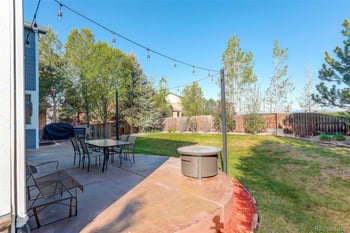
Erie homes for sale sit in that in-between sweet spot on the Front Range—close to I-25 via Erie Parkway, with CO 7 nearby—so you can keep Boulder, Longmont, and the Denver side of things within a realistic drive while still coming home to a smaller-town feel. Day to day, a lot of life funnels through Historic Old Town on Briggs Street for local shops and events, then spreads out into newer neighborhoods where sidewalks, parks, and trail links matter more than “being close” on a map. If you like getting outside without planning a whole outing, Erie Lake and the Coal Creek trail network are the kind of places that turn into regular weeknight walks. For equity-rich homebuyers thinking about the next chapter, Erie is especially practical because main-floor living and low-maintenance options are common enough that right-sizing doesn’t have to feel like a compromise—and if you want an explicitly age-targeted setting, communities like Regency at NorthSkye (55+) exist right in town. The trade-off is growth: Erie has been building fast, and traffic can bunch up around Erie Parkway and CO 7 at the wrong times, so where you land inside Erie matters for how smooth your daily drives feel. Scroll below to view current Erie listings.
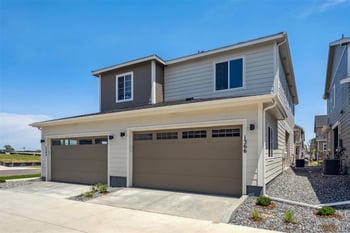
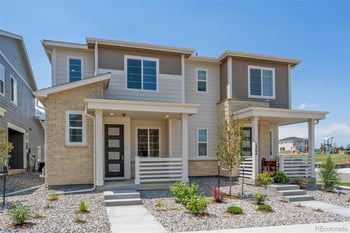
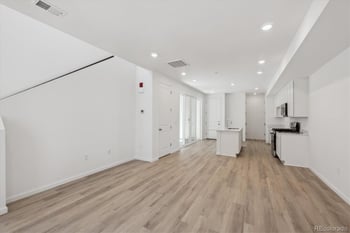



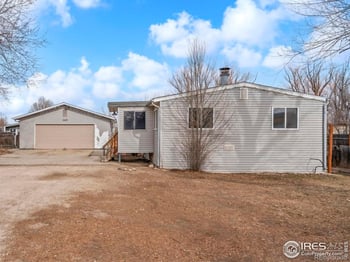
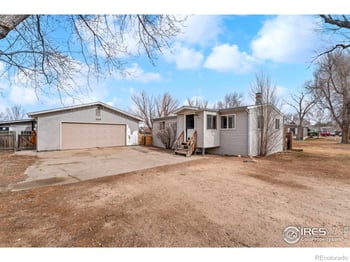
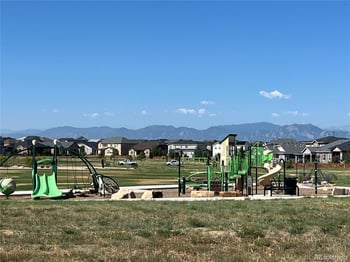
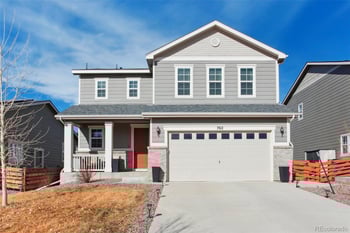
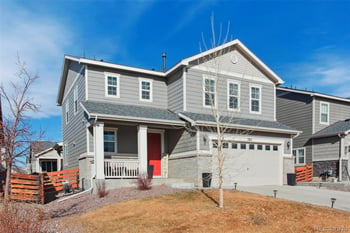
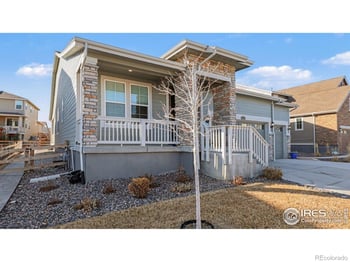
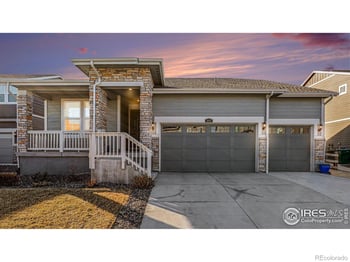
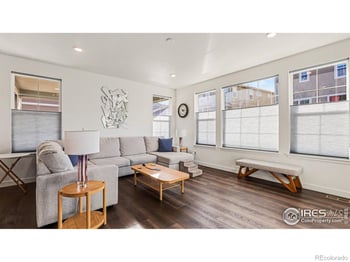
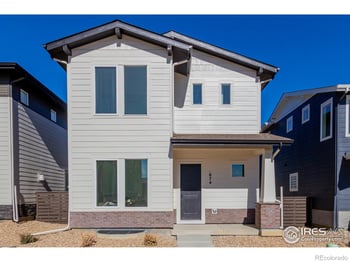
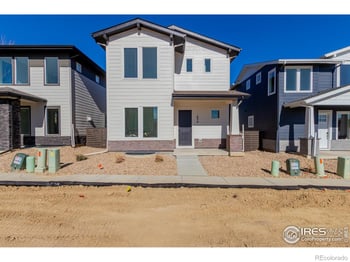
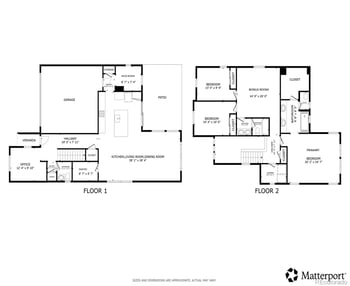
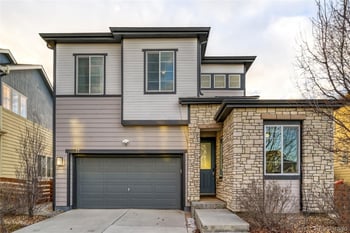
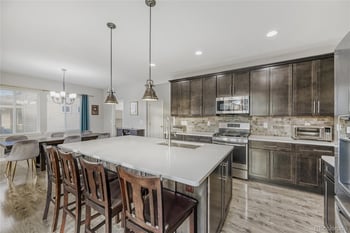
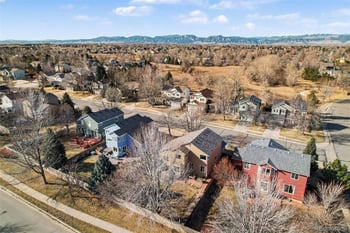
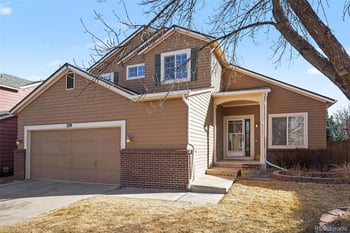
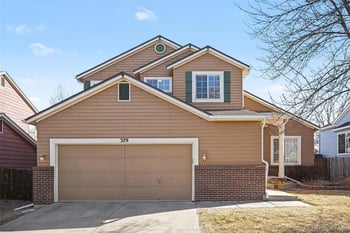


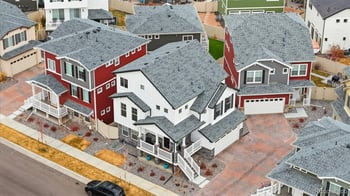


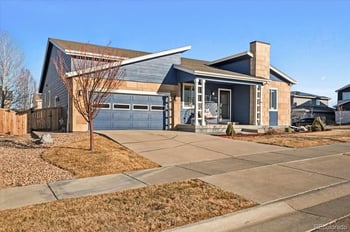


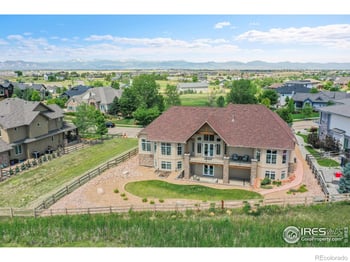
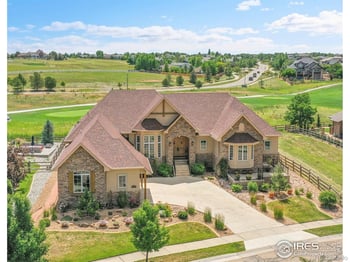


This is the skim-fast version many homebuyers wish they had earlier—especially when you’re comparing Erie homes for sale across very different neighborhoods. Use it to avoid the common “we didn’t realize that…” surprises, then scroll into the deeper Erie real estate guide below when you’re ready to narrow your shortlist.
Erie real estate can run through Boulder County or Weld County depending on the address. Confirm county early so your property records, tax paperwork, and service lookups stay clean and predictable.
Erie homes can map to Boulder Valley School District or St. Vrain Valley School District. Even if schools are mainly a resale consideration for you, verify by address before you get too far into the process.
In Erie, “the provider” depends on the address. If reliable internet matters for streaming, video calls, or telehealth, do the provider check early—before it turns into a surprise after closing.
Many newer Erie neighborhoods use Metro District financing. It’s not “good” or “bad”—it’s something you verify early so your budget stays predictable.
Erie has true low-maintenance options, but they tend to show up in certain communities. Your best move is filtering listings by home type and then verifying what the HOA actually covers.
The difference is location. Map the home to places like Coal Creek Open Space or Sunset Open Space so you know whether a quick evening walk is truly “right there” or more of a drive.
Erie homes for sale often appeal to homebuyers who want errands and appointments to feel straightforward, with walkable moments in certain areas (like Old Town Erie near Briggs Street) but a mostly drive-friendly layout overall.
Erie has walkable pockets, but much of Erie real estate is designed around driving. If that’s a non-negotiable for you, it’s better to confirm it early than to force a fit later.
The strongest match is a home that minimizes stairs and spells out what you own versus what the HOA or district handles—especially for winter and exterior upkeep. If golf matters, Vista Ridge near Colorado National Golf Club is a common Erie real estate shortlist for that lifestyle.
Erie is one of those Front Range towns that feels “close” for errands and appointments even though it sits between bigger magnets. It’s in Boulder and Weld counties, and it’s positioned near I-25—so for most homebuyers, the real question isn’t whether Erie is convenient in theory, but whether your most-used routes (appointments, errands, family visits, a longer trip day) feel easy from the specific part of town you’re looking in.
A practical way to picture Erie’s footprint is by the boundary roads the Town uses to describe its broader planning area: from State Highway 52 down to State Highway 7, with US 287 on the west side and I-25 on the east side. That doesn’t mean every home sits on those lines, but it does help you understand what “Erie” covers when you’re scanning listings and deciding which side of town will actually work for your week. If you want the official map and the Town’s own description, it’s laid out plainly in the 2025 Erie Community Profile (PDF) and the Town’s Community Profile page.
Because Erie spans two counties, “Erie address” does not automatically tell you which county you’re in. That can affect, for example, which county’s property record you’re looking at and which service contacts apply for certain needs. The right move is to treat county as a property-level fact—verify it on the listing’s tax/assessor record and cross-check it with the Town’s location materials rather than guessing from a map pin.
Erie’s older center is around Briggs Street, where the town’s history is easiest to feel in a quick walk and a cup of coffee. It’s useful for homebuyers because it helps you calibrate what “small-town” means here: a real historic core, surrounded by newer neighborhoods that can feel very different depending on the street pattern, HOA setup, and how close you are to your default routes. If you want the Town’s official context (without the hype), start with the Historic Old Town Erie page and the Town’s History overview.
You’re “done” with this step when you can say, out loud: which side of Erie you’re targeting, which county the home is actually in, and which verification pages you’ll use for services. That’s the difference between browsing and building a shortlist.
Erie real estate gets easier to shop when you stop trying to rank “best neighborhoods” and start grouping Erie homes for sale into a few decision-useful buckets: how often you’ll be on the main roads, how new the neighborhood feels day-to-day, and how much maintenance you’re actually signing up for. The goal here is simple—build a short touring list that fits your week, instead of scrolling listings blind and hoping something clicks.
One important Erie-specific detail: the town is organized by named subdivisions, and listings don’t always describe them consistently. So before you compare two homes as if they’re in the same “area,” confirm the official subdivision name and outline on the Town’s map. That one-minute check keeps your Erie real estate comparisons clean.
Use the Town of Erie’s Subdivisions dataset as your “mapping backbone” for official subdivision names and boundaries, then use the Town’s Zoning & Subdivisions hub when you need the verification path for what’s where. This prevents mistaken comparisons like treating two nearby listings as the same neighborhood when they’re filed under different subdivisions with different HOA structures and rules.
Buyer-safe rule: if a claim would change your budget or your daily-life expectations (HOA scope, metro district presence, what’s walkable), treat it as a property-level fact and verify it.
If you want Erie to feel like a town with a real center, Old Town is the bucket many homebuyers use to calibrate that. The practical check is distance and routine: is the home close enough that a quick Briggs Street stop becomes normal, or will you still be driving for most daily life?
In this bucket, the neighborhood experience is often about how it connects—sidewalks, trails, and whether a walk feels like a real option after dinner. A concrete, checkable example is the Town’s Colliers Hill Spine Trail project page. If you’re shortlisting Erie homes for sale here because you want low-friction daily movement, use that project info as a verification step instead of relying on a listing description.
This bucket can be a natural shortlist if golf is part of how you picture weekends and evenings. The buyer-protective move here is paperwork-first: confirm the home’s official subdivision filing on the Town map, then verify the HOA structure and whether the address is inside a metro district. That keeps your Erie real estate budget assumptions from drifting.
In the newer-build bucket, the smartest comparison isn’t just floorplans—it’s whether the HOA scope (and any district structure) matches your tolerance for oversight and your preference for predictable maintenance responsibilities. Treat “low maintenance” as something you verify in the governing documents, not something you inherit from the neighborhood name.
If your search is centered on main-level living and a more managed, “lock-and-leave” feel, this bucket belongs on your touring list. Keep the comparison grounded in facts: confirm the listing’s official subdivision name on the Town map, verify the HOA coverage (snow, landscaping, exterior scope), and then do the simple real-life check—how that location feels for your default weekly routes.
These names can be used loosely in marketing, so treat them as “verify first” labels. If a listing uses Town Center or Commons language, confirm the official subdivision filing on the Town’s dataset, then use the Town’s planning/zoning resources if you need clarity on what’s established versus what’s proposed nearby. That keeps your Erie homes for sale shortlist based on checkable facts rather than assumptions.
You’re done when you have 3–6 listings across two clear buckets, and you can explain why each one made the list using checkable reasons (routes, upkeep responsibilities, HOA scope, subdivision filing)—not just photos.
In Erie real estate, “low-maintenance” isn’t a home style—it’s a written responsibility list. You can have main-floor living and still be mowing, shoveling, and scheduling roof work yourself. And you can have a two-story and barely touch a rake if the HOA’s scope is real and clearly spelled out. For homebuyers who want fewer chores and easier travel days, the decision comes down to layout (stairs), lot/exterior burden, and what’s covered in the HOA documents.
Here’s the clean way to think about it: single-level helps your knees and daily flow; managed exteriors help your calendar. When both line up, that’s when a home starts to feel genuinely “lock-and-leave.”
The rule that keeps this honest: if the listing says “maintenance-free,” your next move is to read the HOA’s maintenance section and see what’s explicitly included and excluded.
In Erie, the “less outside work” setups show up most reliably where the neighborhood design supports it—communities with attached or paired products, smaller lots, and associations that actually take responsibility for shared spaces. That pattern appears more often in planned subdivisions than in older, large-lot pockets, but the safe approach is always the same: treat the structure and the rules as property-level facts, not neighborhood reputation.
To keep your Erie homes for sale shortlist clean, verify the subdivision and any planned overlays through the Town’s planning resources first—then verify HOA scope and any district structure for the specific address you’re considering. Erie makes those verification starting points easy to find; the key is actually using them.
You’re “done” with this step when you can say, in plain terms: what level of stairs you’ll live with, what outdoor tasks you’re still responsible for, and which document line(s) told you that. That’s how “easy living” becomes a checkable fact in Erie real estate.
A lot of Erie real estate surprises aren’t inside the home—they’re in how taxes and fees get applied after you buy. In parts of Erie, you may see an HOA, a metro district, or both. They do different jobs, and they show up in different places (dues vs property taxes). The good news is you can spot this early and keep it checkable, as long as you verify it with official maps instead of relying on listing wording.
To keep this clean and checkable, work from official sources first, then use the listing details as supporting info. Here’s a simple order that works well when you’re comparing Erie homes for sale:
If a skeptical friend asked, “How do you know?”, you can answer with one of the links above. That’s the standard to hold your Erie real estate budget assumptions to.
This is where timing matters. The Town’s guidance is straightforward: on newly constructed homes, some tax components can lag because the property must be valued by the county assessor. That means a tax estimate shown early in the process may not reflect the “settled” long-term picture until the assessment and billing cycle catches up. The buyer-safe move is to treat this as a possibility and verify the details for the specific home, rather than assuming the first number you see will stay the same.
You’re done with this step when you can name the subdivision, confirm whether a metro district applies (and which one), and explain why the tax/escrow number could change later— using a verification link, not a guess.
Erie real estate can look “close to everything” on a map, but daily life depends on which side of Erie you start from and which connector roads you end up using over and over. Most homebuyers settle into the same repeat drives: medical appointments, groceries, meeting family for dinner, getting to I-25, and the occasional airport run. This section helps you choose a part of Erie where those drives feel straightforward—without building your whole week around one finicky route.
If you want a quick “orientation sheet,” the Town’s 2025 Community Profile is useful because it frames Erie’s planning area and the major routes that shape movement in and out of town. You don’t need to memorize it—you just want to recognize which of these will show up in your normal week.
The fastest way to avoid wasted showings is to test a neighborhood against the drives you’ll repeat most. Pick two or three: your usual grocery run, a medical office you actually use, your route to I-25, and one “go see family” direction. Then look at how the route feels in real life—how many turns, signals, and “only one reasonable way through” segments it depends on.
Roadwork is normal along the Front Range, and in Erie it can change your “default route” quickly. The buyer-safe move is to check official project updates while you’re still building your Erie homes for sale shortlist—especially if a preferred route is a county road or a state highway.
You’re done with this step when you can name your likely route to I-25 and your most common errand drive, and you’ve checked the Town’s updates to confirm you’re not building your week around a road that’s in an active work zone.
One practical Erie real estate takeaway: don’t chase “fastest on paper.” Chase repeatable. Many homebuyers are happiest when their normal weekday drives feel calm and consistent, because that’s what makes a place feel easy to live in after closing.
When you’re comparing Erie homes for sale, the outdoor question is usually practical: where will you actually go on a normal weekday for a flat walk, a dog loop, a short bike ride, or a quick “get outside” reset. Erie real estate can feel very different depending on whether you can step out to a usable loop from your neighborhood or whether every walk starts with a drive and a parking decision.
If a listing says “near trails” or “open space nearby,” the buyer-safe move is to confirm it with the Town’s own trail and open space resources. These pages are the cleanest way to see what’s real (routes, access points, and what connects) without relying on user-labeled map pins.
You’re done with this step when you can point to the trail segment or open space access point on a Town map and say, “This is the one we’d actually use.”
Most homebuyers don’t need a long list of options. They need one or two places that are easy enough to become routine. These are the three patterns that tend to separate “we’ll use it” from “nice idea” when you’re making Erie real estate decisions:
You’re looking for a loop you can do in regular shoes. Use the Town Trail Maps to spot nearby “loop-able” segments, then confirm the closest access point from the neighborhood you’re touring.
If you like to ride, what matters is whether paths connect to something useful—parks, open space, or another part of town—without forcing you back onto fast roads. The Town’s trail pages and project notes are the best way to confirm where links exist and what’s being improved.
This is the bench, short paved path, or open space entrance you’ll use on a busy day. When that’s close to home, Erie real estate tends to feel easier to live in, because outdoor time doesn’t require scheduling.
These aren’t “best of” picks. They’re examples of the kind of information the Town publishes—where it is, what it connects to, and what to expect—so you can keep your Erie homes for sale search grounded in checkable details.
You’re done with this step when you can name one nearby “default walk” and one nearby “park or open space option” for the neighborhoods you’re considering—and you can back it up with a Town map or Town page.
The practical Erie real estate takeaway is simple: the best outdoor setup is the one you’ll use without thinking about it. If a loop, trail segment, or open space entrance is close enough to become routine, that’s a quality-of-life feature you’ll feel every week.
When you’re comparing Erie homes for sale, the most important “amenities” aren’t always the flashy ones. It’s the easy defaults: where you’ll grab groceries, where you’ll refill a prescription, and where you’ll go when something needs attention today, not next month. Erie is still a drive-first town for most routines, but the errands picture is getting more centralized over time—so it’s worth verifying what’s already there versus what’s planned near the part of Erie you’re touring.
Before you fall in love with a floor plan, pick three recurring needs and test them from the neighborhood you’re considering: (1) groceries, (2) pharmacy, (3) urgent care / ER reference point. You’re not trying to predict every scenario—you’re confirming that your weekly life won’t feel stretched.
You’re done with this step when you can name your three “default” stops and you’ve checked the drive from the specific part of Erie you’re touring.
A lot of “easy defaults” in Erie will increasingly point toward the Town Center area. The Town’s updates are useful because they keep this checkable: the first phase is described as including a new grocery store plus restaurants and retail shops, along with new streets and sidewalks. What you should take from that isn’t hype—it’s a planning reality: some neighborhoods will feel more convenient as this builds out, but timing and tenants can change, so verify the latest status before you treat it like an already-finished amenity.
Buyer-safe posture: treat “planned grocery + retail” as confirmed intent (because the Town says it’s part of the phase), but treat brand names and exact opening timing as variable until the Town posts a signed lease and construction milestones.
Most Erie homebuyers end up with a simple healthcare map: routine care close by, and a clear “if it’s serious” reference point nearby. A common regional hospital reference is Intermountain Health Good Samaritan Hospital in Lafayette. The practical move is not ranking hospitals—it’s knowing where you would go for emergency care, then checking the drive from the part of Erie you’re considering so you’re not guessing later.
Done condition: you can name your likely urgent-care/ER destination and you’ve checked the route from your shortlist neighborhoods at a normal time of day.
This sounds small until you live here: Erie’s Recycling Center is one of those routine-service pieces that becomes part of your default errand circuit, especially if you’re near Old Town. The key is not the concept—it’s the rules. The Town posts hours, contact info, and accepted items, and it also notes when proof of Erie residency is required. If you’re the kind of homebuyer who likes “systems that just work,” this is an easy one to verify before you move.
Buyer-safe check: confirm accepted materials and any residency requirements on the Town page before your first weekend “clean-out” run.
The Erie real estate takeaway here is simple: convenience isn’t a vibe—it’s a repeat pattern. If your groceries, prescriptions, and “care today” plan feel simple from the neighborhood, you’ll feel that ease every week, not just on move-in day.
In Erie real estate, school questions can sneak up on people—sometimes even when kids aren’t part of the plan. Erie sits across county lines, and parts of town are served by Boulder Valley School District (BVSD) while other areas are served by St. Vrain Valley Schools (SVVSD). The buyer-safe move is simple: treat district and school assignment like an address-level verification step, not a vibe or a guess from a listing description.
For many Erie homebuyers, this isn’t about ranking schools. It’s about removing uncertainty from the short list and protecting flexibility later—because school assignment can be a question that comes up again at resale. The good news is you can verify this cleanly with official tools before you put emotional energy into a home.
Use the address you’re actually considering (or the closest cross-street if you’re early in the search), then run it through the district tools below. Save a screenshot or note for your file. If the address is right on a boundary, treat the first result as a starting point and follow the district’s “verify with enrollment” guidance—boundaries can be precise, and the districts are the source of truth.
BVSD publishes a K-12 school finder and enrollment guidance for neighborhood schools. Use it to confirm whether your address is within BVSD and to identify the neighborhood school pathway.
SVVSD publishes a boundary and neighborhood school lookup. Enter the address and confirm whether it falls inside SVVSD’s boundary and which neighborhood schools are associated with it.
The Town’s 2025 Community Profile is a helpful, official orientation reference because it makes clear that Erie is located in both Boulder and Weld counties and frames the town’s broader footprint. That doesn’t replace district tools, but it explains why “Erie” can mean different jurisdictions depending on the address.
Done condition: for each neighborhood on your Erie homes for sale shortlist, you can say “this address is BVSD” or “this address is SVVSD,” and you can point to the official district lookup result you used. If an address sits close to a boundary, your next step is to follow the district’s enrollment verification guidance before you treat the assignment as final.
One of the easiest Erie real estate surprises to avoid is assuming the whole town runs on the same providers. In practice, electric, gas, and internet can vary by neighborhood. The safe play is simple: treat utilities like an address-level check before you commit, especially if you care about reliable internet for work, telehealth, streaming, or just not fighting Wi-Fi in the back bedroom.
Start with the Town’s Utility Providers page and use the interactive service map to see who serves the specific address. Then cross-check internet availability with the FCC National Broadband Map. If the two don’t match perfectly, trust the provider’s address tool as the tie-breaker and ask for a written confirmation.
Done condition: you can name the electric provider, gas provider (if applicable), and internet options for the exact address—and you can point to the map/tool you used.
Buyers commonly ask, “Is this address Xcel or United Power?” In Erie, the answer depends on where the home sits. Use the Town’s Utility Providers service map to confirm the provider for the address you’re considering, then use the contact list on that same page to confirm start/transfer steps.
Water, wastewater, stormwater, and trash/recycling setups can vary by area and by how the neighborhood was built. The safest method is to use the Town’s provider resources as the baseline, then confirm billing/transfer details directly with the listed contacts. This keeps Erie real estate comparisons fair—same address-level check for every home.
If fiber matters to you, treat it as a yes/no you can verify. Start with the Town map/resources to see which providers serve the address, then use the FCC Broadband Map to cross-check availability. For any provider you’re counting on, run the provider’s own address lookup and save the result.
If you want a Town-published reminder that providers can vary depending on location and jurisdiction, the Town’s “Starting a Business” page includes a utilities list that reinforces the idea that Erie service details aren’t one-size-fits-all. You don’t need to be starting a business to use it—it’s simply a clear, official example of the Town documenting provider reality.
Buyer-safe takeaway: if the Town documents provider variability for planning purposes, you should treat utilities as an address-level verification step for any Erie home you’re serious about.
The Erie real estate advantage here is that this is all checkable. A couple of map lookups and two quick calls can save you months of frustration—especially if you plan to work from home, run telehealth visits, or simply want internet that behaves like it should.
When you’re comparing Erie homes for sale, the fastest way to stay confident is to separate what you can verify from what you’re guessing. This section is intentionally calm and procedural. It’s not here to promise outcomes or raise alarms—it’s here to give you official tools you can use before you write an offer, so deal-breakers surface early instead of later.
Done condition: you can show exactly what you checked for each home and explain what you found without guessing.
In Erie real estate decisions, oil and gas questions are best handled with maps—not opinions. The Colorado Energy & Carbon Management Commission (ECMC) publishes official GIS tools that show well locations and activity layers. Use them to check the address you’re considering, then save the result.
Buyer-safe posture: if a layer isn’t clear, note it and ask what it represents—don’t fill in the blanks yourself.
If landfill proximity matters to you, Erie publishes an official Landfills page and map. Use that first, then cross-check with Colorado’s solid-waste facility maps if you want a broader view.
Flood risk is an address-level question. Use FEMA’s Flood Map Service Center to search the property, save the result (a FIRMette if needed), and use that as the reference point for insurance conversations.
Precision matters: say “the FEMA map shows…” rather than predicting what will or won’t happen.
This isn’t about eliminating every unknown. It’s about making sure the big questions are checked with official tools—so your Erie home search stays calm, deliberate, and regret-resistant.
Erie doesn’t feel like a town that’s “always under construction,” but it is a town that keeps improving the pieces that shape daily life—streets, sidewalks, downtown blocks, and the kind of retail people use every week. If you’re shopping Erie homes for sale, the buyer-safe approach is to treat change like a two-part check: what’s officially planned and what’s actively happening right now. That way you can buy with eyes open about short-term disruption and the longer-term convenience you’re counting on.
Done condition: you can name the project(s) near the homes you’re considering and you can point to the Town page that describes the scope and location.
If you keep hearing people mention Erie Town Center, here’s the grounded way to think about it: it’s a long-term convenience play that may matter more once you actually live here. The Town’s own update describes early phases as including a new grocery store along with restaurants and retail shops, plus new streets and sidewalks. That’s useful because it’s specific—and it’s checkable. What you should not do is treat any future tenant mix or opening date as guaranteed until it’s posted as a firm milestone.
Buyer-safe posture: treat “grocery + retail planned” as Town-confirmed scope, and treat brand names, exact timing, and tenant mix as variable until the Town posts firm milestones.
Downtown improvements can sound abstract until you picture how you’ll actually use Old Town—coffee runs, a quick dinner, a town event, meeting someone for a walk. Briggs Street projects are the kind of work that can create short-term inconvenience but improve how downtown functions long-term: safer crossings, smoother access, and a more finished feel when you’re on foot. The buyer-safe move is to read the Town’s scope directly and note the blocks affected if you’re touring nearby.
Done condition: you know whether a home you’re considering sits close enough to be affected by construction traffic, detours, or noise—and you can point to the Town update that supports that.
The honest trade-off: buyers who’ve lived through a remodel recognize this feeling. Short-term disruption can be worth it when the end result is a more finished, convenient daily-life setup— but only if you’re clear on what’s actually scheduled and where it’s happening. Erie makes this easier than most places because the Town keeps official project pages you can check.
Cross-shopping is normal. In fact, it’s often the fastest way to get clarity on what you actually need from Erie real estate. The trick is to compare for practical reasons—drive patterns, housing types, and the “rules and providers” stuff that shows up after closing— not vague “vibes” you can’t verify. This section gives you a clean way to pressure-test Erie homes for sale against nearby choices without turning it into a ranking contest.
Erie sits in a spot that makes cross-shopping almost inevitable: you can point yourself toward Boulder, Longmont, or I-25 depending on which side of town you’re on. The Town’s own Community Profile helps here because it grounds Erie’s footprint—where it sits, which connectors matter, and why the “same drive” can feel different depending on the neighborhood.
Buyer-safe takeaway: if your “default drives” point in different directions (appointments, errands, family visits), cross-shopping isn’t indecision—it’s due diligence.
For many homebuyers in your audience, the goal isn’t to win a trivia contest about towns. It’s to get to a short list you’ll feel good about living with. When you compare Erie against places like Lafayette, Louisville, or Longmont, keep the questions grounded in daily life: what becomes simpler, and what introduces another layer of management (rules, maintenance, providers, or a longer drive you’ll repeat every week).
The cleanest cross-shop comparison is repeatable: run the same errands route and appointment route from a few neighborhoods you’re touring. Erie’s location makes it easy to point toward different regional destinations depending on where the home sits—so compare the drive you’ll actually repeat, not a theoretical “commute time.”
If you’re prioritizing low-maintenance living, compare communities by what’s actually covered (exterior maintenance, landscaping, snow, common areas) and what is still on you. The practical question isn’t “Does this neighborhood feel easy?” It’s “What responsibilities show up in writing, and what still lands on the homeowner?”
Even when kids aren’t in the picture, school district assignment can affect how people think about resale flexibility. The buyer-safe move is an address-level check, every time—because boundaries are exact, and assumptions turn into wasted tours.
Provider differences are the kind of detail that rarely feels important on day one—until you’re moving in. When you cross-shop, keep this check consistent: verify utilities and internet by address using the Town’s Utility Providers page. If internet reliability matters (work, telehealth, everyday use), it’s worth doing before you fall in love with a floorplan.
You’re done cross-shopping when you can explain, in plain language, why one place fits your week better than the others—and you can back it up with at least one checkable item (district tool result, provider map result, or a repeatable drive test you ran at the same time window). That turns the comparison into clarity instead of endless scrolling.
Erie real estate is pretty straightforward once you know what to verify. The tricky part is that a few “small” details—metro districts, school district lines, and utility providers—can change the math or the day-to-day feel. These are the questions people ask when they’re trying to build a clean short list without surprises.
Don’t guess—verify it early, because this is the kind of thing that can show up later and feel like a surprise. Start with the Town of Erie’s metro district information, then confirm the district boundaries on the state map. If you’re comparing multiple homes, keep one simple note per address: “metro district yes/no,” plus the source you used.
How to check it: Town of Erie Metro Districts and Colorado DOLA GIS (Special Districts).
This is one of those “it depends on timing” realities. Newer homes can go through assessment changes as the property record catches up to a finished home, and metro district obligations can be part of the picture depending on the neighborhood. The buyer-safe move is to treat early numbers as a starting point, then confirm what the current assessment reflects and whether the home sits in a metro district or HOA with separate obligations.
Erie isn’t “one provider everywhere,” so it’s worth a quick address check before you get attached to a home. Use the Town’s Utility Providers page to confirm service for the exact location. Then, if internet matters for work, telehealth, or just not fighting your Wi-Fi every week, cross-check the address on the FCC broadband map too.
How to check it: Town of Erie Utility Providers and FCC National Broadband Map.
Use the official address tools—every time. School district lines are exact, and assumptions are a fast way to waste tours. Even if you’re not buying based on schools, district assignment can still matter for long-term flexibility and resale.
How to check it: BVSD School Finder and SVVSD’s official tools via the district’s site: St. Vrain Valley School District.
The calm way is to use the state map tools and treat the result as a fact-finding step, not a debate. ECMC maintains official maps and a public GIS viewer. The Town of Erie also keeps a “Maps of Erie” entry point so you can stay grounded locally while you’re checking.
How to check it: ECMC Maps Hub and Town of Erie Maps of Erie.
Use FEMA’s Flood Map Service Center and save the result. That becomes your reference point for insurance questions and future planning. If you’re thinking about improvements later (fences, grading, additions), Erie’s floodplain information page is also worth a quick read so you understand what can trigger extra requirements.
How to check it: FEMA Flood Map Search and Erie Floodplain Information.
Go straight to the Town’s project hubs. That’s where you’ll see what’s confirmed, what phase something is in, and what the Town is actually posting as active work. If a project could affect access or noise near the homes you’re touring, save the page and re-check it before you go from “short list” to “offer.”
How to check it: Erie Development Projects and Erie Town Center (Town page).
Make it repeatable and save your work. For each home on your short list: confirm metro district status, confirm utilities and internet by address, run the school district address tool (even if it’s just for resale flexibility), and check FEMA flood maps. If oil and gas or landfill proximity matters to your comfort level, check those too using the official maps and keep screenshots.
Done condition: you can explain why the home fits your week, and you can point to the official tools you used to verify the big variables.


