


Denver homes for sale cover a wide spread of day-to-day lifestyles—from classic neighborhoods near Washington Park and Cherry Creek to easier, low-hassle living closer to Union Station and the RTD rail lines when you’d rather skip extra driving. In practice, the best fit is usually less about “Denver” in general and more about how your week actually works: a one-level home or elevator condo, a garage you can pull into without thinking, and a grocery run that doesn’t feel like an expedition. The city makes that doable with long, usable trails like the Cherry Creek Trail and the South Platte River Trail, plus strong medical access around Denver Health and Saint Joseph Hospital when “close to care” becomes part of the checklist. The payoff is a simpler routine with real parks, dining, and culture still in reach—but Denver living also asks you to be practical about winter sidewalks, older-home upkeep in established areas, and the occasional squeeze on I-25 when everyone’s moving at the same time. Scroll below to view current Denver listings.


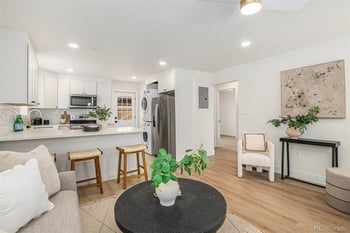


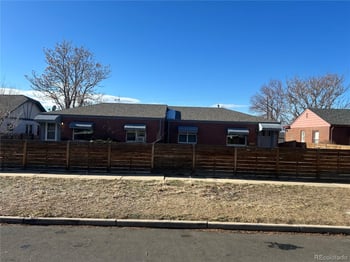



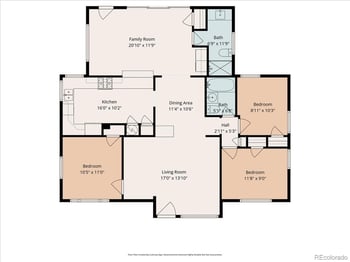

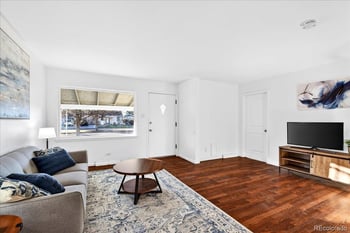

















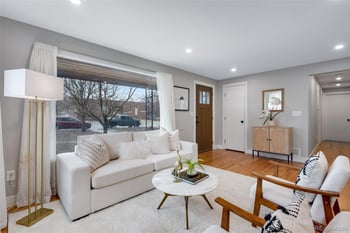
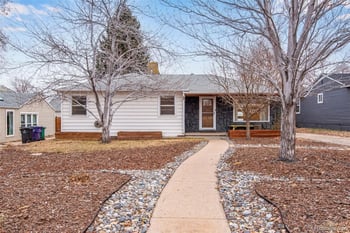
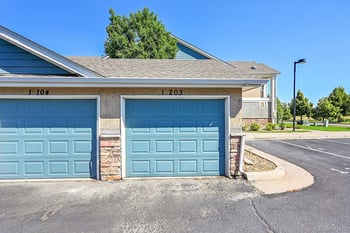
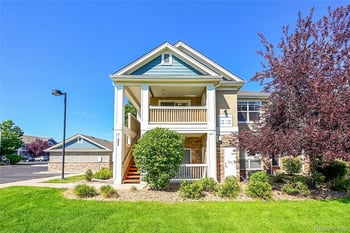










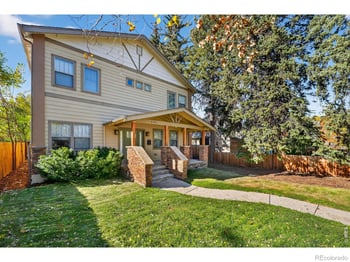
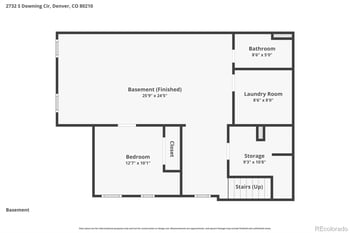
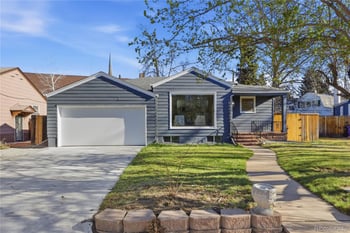


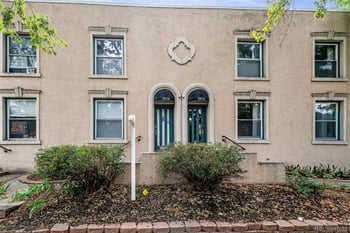





Denver can look “close” and “easy” on a map and still live very differently once you stack up a real week: parking, winter chores, airport runs, and the routes you’ll repeat for years. This quick-scan section is the buyer-native version of Denver—what’s worth loving, what comes with it, and what to verify early so you don’t learn the rules after closing.
Denver fits when you value shorter drives to your usual places and you’re fine with a few city routines (parking rules, sweeping days, winter sidewalk work) that come with the best locations.
Some blocks are simple, and some blocks are a daily parking plan. If a garage, driveway, or reliable guest parking is non-negotiable, treat it like a must-have—not a “maybe.”
The closer you get to the “step-out-and-go” version of Denver, the more curbside rules matter: sweeping schedules, permit zones, and timing. It’s fine—if you verify it before you commit.
Most people end up building life around a few routes: I-25, I-70, Speer, 6th, and the airport path via Peña. If you travel, decide early: A Line (train) or driving to DEN.
COtrip live travel map (official) | RTD airport service (official)
Before you schedule a second showing: check street sweeping by address, skim permit history if the remodel looks major, and confirm internet service at the exact address (especially condos).
Sweeping schedules (official) | Denver permits entry point (official) | FCC broadband map (official)
If you love Denver’s vibe but want less curbside friction, many buyers compare Lakewood, Wheat Ridge, Arvada, Littleton, Englewood, and parts of Aurora for a different “get in and get out” week.
If the home is near a creek, drainageway, or low spot, run the address on the city viewer and keep the result with your notes. It’s not a verdict—it’s context for inspection and insurance questions.
Denver floodplain map (official) | FEMA Map Service Center (official)
“Updated” can be paint and lighting—or it can be walls moved and systems replaced. If the work looks major, a quick permit-history check helps you separate confidence from guesswork.
Start neutral with the FCC map, then confirm with the provider you’d actually use. In multi-unit buildings, what’s available can vary more than people expect.
Don’t treat this as “Denver-wide.” It’s block-by-block. If the home relies on street parking, confirm sweeping by address and whether the area uses the residential permit program.
Sweeping schedules (official) | Residential Parking Permits (official)
If school assignment matters for family routines or resale comfort, run the exact address in the DPS tool and save the result with your listing notes.
If you want data instead of vibes, use the city’s public resources to look at reported incidents near an address, then pair it with your own visits (day and evening).
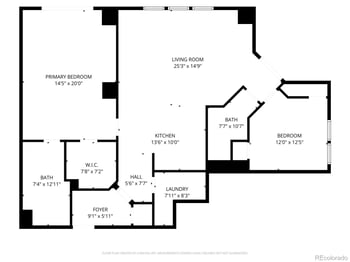
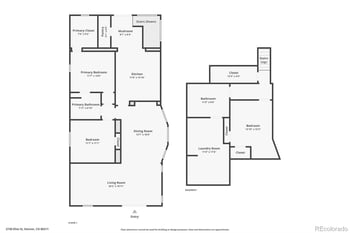
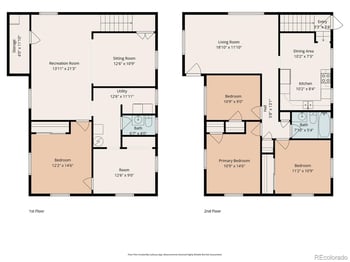
Confirm where the primary bedroom and laundry actually are. A home can photograph “easy” and still live like a two-story once you move in.
Notice steps, slopes, and long sidewalk runs. The “random Tuesday in January” version of the house matters just as much as the sunny showing.
Condos and some townhomes can feel effortless—if you verify what’s included (snow, exterior, landscaping, trash) and what’s still on you.
Denver can shift block-to-block near busier corridors. Do one evening pass with the windows down before you decide the vibe matches your life.
Denver gets easier to shop once you stop thinking of it as one big “city” and start thinking in a few shortlist zones that behave differently in real life. The same style of home can live very differently depending on how quickly you can reach I-25 or I-70, how close you are to Union Station, and whether parking and noise feel like background—or like a daily decision. This is here to help you narrow down two or three areas that fit your week now and still make sense later if you resell.
Denver neighborhood names get used loosely in listings and casual conversation. If you’re comparing prices or “vibe” across areas, it helps to confirm what the city actually considers that neighborhood—so you’re shopping on purpose, not by nickname.
Even if you never plan to take the train, the A Line (Union Station to Denver Airport Station) is a useful mental ruler. It keeps your “how hard is Denver International Airport (DEN) from here?” question honest, and it’s a clean way to compare “drive” versus “train” early—before you fall in love with a location that fights your travel habits.
A quick lived-life scene: you tour a place you like, step back onto the sidewalk, and you can feel the difference right away—one area has people walking to dinner and circling for parking, and another feels calmer because you’re one easy turn from Speer Boulevard or Colorado Boulevard and you’re home without thinking about it. Denver has a lot of those “one turn makes it different” moments.
These aren’t “best” lists. They’re common groupings that behave differently for daily drive reality, housing-stock feel, and buyer fit. A smart way to shop is to pick two groupings that match your week, then filter Denver homes for sale there first.
Great for quick access and a “close to everything” feel—especially if you like being near rail, events, or a quick hop to I-25/I-70. The plain trade-off is what you verify in person: building rules (condo/HOA if applicable), nighttime sound, and whether parking is genuinely easy for you and your guests.
A lot of people shop here for neighborhood energy and quick outings—coffee, dinner, a loop around the lake. The trade-off is street-by-street: parking and “older home” realities can vary fast, so it’s worth doing one daytime tour and one evening drive-by before you decide it fits your pace.
This grouping often reads as “classic Denver” with strong neighborhood identity and a steady, residential feel. The trade-off to verify is the house itself: if a place has been significantly remodeled or expanded, it’s worth confirming the story is documented so “beautiful” also feels like “confident.”
Often cross-shopped for “park time” and an established, connected feel. The trade-off is what you give up for convenience: smaller lots and tighter layouts can be worth it, but only if the floorplan works for how you want to live now—and later.
Cross-shopped for a more “settled” feel and a different style of convenience. The trade-off is to verify the basics that affect comfort and resale: street feel, traffic at your usual times, and whether the home’s layout supports easier day-to-day living (main-floor basics matter more than people expect).
This grouping tends to appeal to people who want character, local spots, and quick access along Broadway—and who don’t mind that Denver can change block by block. The trade-off is practical: parking habits, evening activity on nearby corridors, and whether the home feels “easy” when you picture a normal week, not a fun weekend.
In Denver homes for sale, “downsizing” usually isn’t about going small. It’s about removing friction: fewer stairs, fewer weekend chores, and fewer surprise responsibilities when you’re away. The tricky part is that Denver listings use familiar labels—ranch, patio home, low-maintenance—but the lived-in version can vary a lot by neighborhood and property type. This section turns “easy living” into practical filters so you stop touring the wrong fit.
If “easy” means fewer stairs, look for a main-floor primary bedroom, main-floor laundry, and a main-floor full bath. In Denver, a lot of homes lean split-level or basement-heavy, so it helps to be strict about what must be on the main level before you get attached to photos.
In listing descriptions, the helpful tells tend to be: “main-floor primary,” “main-floor laundry,” “ranch,” and “single-level.”
In Denver real estate, “low-maintenance” often means a smaller yard, a simpler exterior, and fewer ongoing projects—not a total opt-out. If you’re comparing attached options (condos, townhomes, paired homes), the trade-off usually shows up through an HOA or condo association, and the details matter.
Worth clarifying early: what the HOA maintains, what you maintain, and how fees and special assessments have behaved.
Lock-and-leave living gets complicated fast if guest parking is limited, your second vehicle lives on the street, or your block has day-to-day restrictions. Make parking part of your core fit check: garage size, driveway fit, guest rules, and whether permits are part of normal life where you’d live.
Residential Parking Permit (RPP) program (verify by address)
A lived-life scene (especially if travel is part of your year): you pull in after dark and the “easy living” version of Denver is obvious. One home means you park in your own spot and walk straight in. Another means circling for a space, then realizing your block has rules you didn’t factor in. It’s not dramatic—just the kind of small friction that adds up when you’re trying to keep life simple.
These aren’t deal-breakers by themselves. They’re reality checks that help you avoid buying a lifestyle that only works when you’re home every week.
If you expect to street-park (or host guests who will), confirm whether the block sits inside a Residential Parking Permit area and what that means in practice. It’s a small detail that can change how “easy” the home feels.
If you travel or keep a second vehicle, sweeping schedules are the kind of detail that can turn into tickets or hassle. It’s worth knowing the schedule for the address before you decide the home is truly low-friction.
“Low-maintenance” can still include sidewalk shoveling, especially for longer frontage or corner lots. If you’re away during storms, it helps to know what the city expects and what you’d want to outsource.
If you’re part-time in Denver or travel often, service delays and schedule changes matter more than you’d think. Knowing the pickup rhythm for an address keeps the basics running smoothly.
Before you tour, decide your short list of non-negotiables: main-floor primary, main-floor laundry (if it matters), and a parking plan you can live with. When a home looks promising, do a quick reality pass on the things that can surprise you later—permit/HOA details (if applicable), parking rules on that block, and the true maintenance load. That’s how “downsizing” turns into a Denver real estate shortlist you can trust.
Denver homes for sale span a wide range of built eras, and that matters because the same listing word can mean very different things on the ground. “Updated” might be a clean cosmetic refresh, a thoughtful renovation with a paper trail, or a quick flip that photographs better than it lives. This section helps you read Denver listings with realistic expectations and a simple plan for verifying the parts that affect comfort, maintenance, and long-term confidence.
Paint, flooring, fixtures, and staging can make a Denver home feel brand new in photos. That can still be a strong buy, but it doesn’t automatically tell you what changed behind the walls—or what was simply covered up.
Worth clarifying: the age/condition of core systems (roof, HVAC, electrical, plumbing) and whether walls, plumbing, or electrical were moved.
The most confidence-building “updated” homes usually have a clear story: what was done, when it was done, and how it was approved. In Denver, permit history is often the cleanest way to keep your confidence anchored to facts, not finishes.
Some “updated” Denver homes look perfect online but read differently in person—rushed details, odd transitions, or a layout that didn’t get more usable. That doesn’t automatically make it a no, but it should change how you verify and how you price the unknowns.
Worth confirming: inspection scope, permit trail for major changes, and whether the work matches what the listing implies.
A lived-life scene: you walk into an “updated” Denver home and it’s spotless—new counters, fresh lighting, everything bright. Then you look a little closer and you start to notice the original layout choices and older systems still shaping how the house lives day to day. The goal isn’t to be suspicious. It’s to be clear-eyed so your confidence is earned, not borrowed from photos.
A lot of Denver buyers keep future flexibility in mind: a guest suite, space for family, a caregiver-friendly setup, or simply a better layout. What’s realistic depends on zoning, prior permits, and how the property is already configured—so it pays to check the address before you build plans around it.
Before you plan an addition or a second living space, confirm the zone district for the property. It’s one of the fastest ways to avoid making an offer based on assumptions.
“Can I add an ADU?” is really a bundle of questions: what zoning allows, what permits are required, and what you plan to use it for. Treat it as an address-specific item, not a general Denver assumption.
If income flexibility is part of your plan, confirm Denver’s short-term rental licensing and primary-residence rules early. It’s much easier to decide this with the city’s guidance in front of you than to unwind expectations later.
When a Denver home for sale is described as “updated,” treat that as an invitation to verify, not a conclusion. Ask what changed, look for a permit trail when work goes beyond cosmetics, and let inspection findings confirm the story. If future flexibility matters—guest space, caregiver-friendly options, or an ADU—check zoning and ADU permitting guidance for the address early, then shortlist only the homes where the rules and the plan actually line up. That’s how Denver real estate stops feeling like guesswork and starts feeling dependable.
Denver homes for sale can look “close” on a map and still live very differently once you start stacking real life on top of it—appointments, airport runs, family visits, and the one weekly drive you’ll do for years. Most people end up building their shortlist around a few default connectors: I-25, I-70, Speer Boulevard, 6th Avenue, Colfax Avenue, Colorado Boulevard, Federal Boulevard, and the airport path via Peña Boulevard. If your goal is an easier week (not just a good listing), this is the part worth getting clear on early.
If your life leans north–south, you’ll feel I-25. If you do airport runs, mountain weekends, or regular east–west drives, you’ll feel I-70. The point isn’t to fear them—it’s to notice that “a few miles away” can still mean different on-ramps, different chokepoints, and a different weekly mood.
COtrip live travel map (official) — handy on weather and construction days
Denver International Airport can be part of regular life—family trips, quick getaways, visitors coming in. For some people, the RTD A Line feels like the calm option (especially near Union Station). For others, driving Peña Boulevard is simpler. “Easy” depends on your start point and your timing, so it helps to decide what you’d realistically do most of the time.
If transit is part of your plan—commuting, getting downtown without parking, or keeping a second car optional—the schedule pattern matters more than the idea of transit. Some routes feel effortless; others are best as an occasional convenience. Knowing which one you’re buying into helps your shortlist stay realistic.
A lived-life scene: it’s an early flight day, and you’re choosing between driving and the A Line. If you’re near Union Station, the train can feel like the calmer move—coffee, suitcase, no parking math. If you’re farther out, driving Peña Boulevard might be the simpler call. That “which one would I actually do?” question is exactly how mobility should shape a Denver home search.
The upside of central Denver is obvious: shorter trips to more places, more options when you don’t want to drive, and easier “meet-you-there” plans. The trade-off is that convenience can come with posted rules, event-day traffic, and more situations where parking is part of the mental load. None of that is a deal-breaker—it just needs to be part of how you define “easy.”
If street parking is part of your normal rhythm—yours or guests—things like sweeping days and permit zones can quietly shape how “easy” the house feels. It’s the kind of detail that’s boring until it isn’t.
If your weekly life depends on I-25, I-70, or the airport routes, conditions matter—especially on the days you can’t be late. A quick glance before you head out can save the “why is this taking forever?” moment.
“We’ll take transit” is a great plan when the timing matches your real life. If the schedule lines up, it can remove a lot of driving and parking stress. If it doesn’t, it’s still useful—just in a different, occasional way.
Pick your “default connector” first—A Line, I-25, I-70, or the arterial roads you’ll use weekly—then shortlist Denver homes for sale that make that connector easy from the driveway. When you tour, do a quick reality pass at the time you’d actually travel (morning, evening, weekend) and notice how it feels. That one habit keeps your Denver real estate search grounded in day-to-day life, not just map distance.
When people browse Denver homes for sale, the map usually highlights the fun stuff first. What changes your week is the practical layer: groceries, prescriptions, a quick post office run, the “one thing from the hardware store,” and the places you default to when you don’t feel like making a production out of dinner. In Denver, “convenient” isn’t always about being close. A lot of the time, it’s about whether you can park without thinking, whether you’ll circle the block, and whether the routine stuff still feels easy on a Tuesday at 4:30.
In pockets where residents rely on street parking, errands can be less “pull in, pull out” and more “plan it.” That doesn’t make a neighborhood good or bad—it just changes the rhythm. If you’ll host guests or you like errands to stay simple, it helps to know the rules on the blocks you’ll actually use.
Residential Parking Permit (RPP) program (verify by address)
Street sweeping, collection schedules, permits, and the little rules that shape day-to-day life can vary more than you’d expect from one area to the next. You don’t need to live in the city’s sites—just know there’s a reliable place to confirm the basics for an address when something feels unclear.
It’s a small detail, but it’s one you’ll live with every week—especially if you travel, host family, or just like routines to run smoothly. Knowing the pickup rhythm for an address is one of those “future you will be glad you checked” items.
A lived-life scene: you’re out doing “one quick stop” and it turns into three—pharmacy, grocery, then a last-minute hardware run. In one part of Denver, that’s fifteen minutes, easy parking, and you’re home before dinner. In another, you spend most of the time finding a spot and watching the clock. That’s why the best way to understand “convenience” here is to test errands the way you’ll actually do them.
One underrated part of buying a home is knowing what happens when you need help that isn’t a landlord’s problem anymore—missed pickup, a pothole that’s getting worse, signage issues, or something that just needs the city’s attention. Denver 311 is the front door for that. You may not use it often, but it’s reassuring to know where “official” starts.
If you’re comparing neighborhoods, it’s helpful to know there’s a consistent starting point when something needs attention. It’s a small comfort, but it’s part of what makes a place feel manageable over time.
Don’t only measure distance to downtown. Measure distance to the errands you’ll do every week—your grocery run, your pharmacy, and the quick “I need one thing” stop. That’s where you’ll feel the difference between “close” and “easy.”
Practical move: do one errand run from each neighborhood you’re serious about, at the time you’d normally go.
As you browse Denver real estate listings, pick two or three “default stops” you know you’ll use—grocery, pharmacy, and one quick errand like a hardware run. Then shortlist Denver homes for sale that make those stops feel easy, not just nearby. If a home looks promising, confirm the practical basics that can quietly change your week: parking rules if street parking is in the mix, the pickup rhythm for that address, and where to start if you ever need city help.
A lot of Denver homes for sale get marketed as “near parks” or “close to trails,” but you feel the difference between near on a map and usable on a weekday. Outdoor access is most valuable when you can step out for a short walk, a bike ride, or a simple stretch of fresh air without turning it into a driving plan, a parking hunt, or a whole production. This section helps translate the trail-and-park language into something you can actually live with.
If you want real “step-out-and-go” access, connected trail systems are the practical win—especially the Cherry Creek Trail and the South Platte River Trail. What matters isn’t just distance. It’s where you’d enter, whether you’d cross busy streets, and whether the access point feels comfortable for the way you’d actually use it.
Denver trails list (official) | Active trail projects (official)
City Park and Washington Park come up constantly because they function like outdoor living rooms—easy walking routes, people-watching, and a place that makes a normal day feel better. The trade-off is simple: “popular park nearby” can also mean more weekend traffic and tighter nearby parking at certain times, depending on the block and the season.
A simple check is to swing by when you’d actually go (early morning walk vs. weekend midday) and see whether it feels relaxing or busy.
Being close to a trail can be a quality-of-life upgrade—especially if you want daily walks without driving. The flip side is straightforward: some trail-adjacent blocks get more bike traffic, more foot traffic, and more people cutting through. That’s fine for many buyers, but it’s worth seeing once in person so it matches your comfort level.
Useful details to notice: where the nearest access point is, whether there’s a buffer (fence/landscaping), and whether parking spillover affects your street.
A lived-life scene: it’s a Wednesday evening and you’ve had enough screen time. You step outside, turn one corner, and you’re on a path where you can walk for twenty minutes without stopping at every intersection. That’s the version of “near trails” that changes daily life. If you have to load the car, hunt for parking, and cross a few busy streets to get there, it’s still nice—but it doesn’t work the same way.
Homes near river trails and drainageways can feel like a calm escape inside the city—more open space, more sky, and an easy place to walk. The practical confidence step is simply to check what the maps show for the address early, especially if the home sits close to the South Platte or other waterways. This isn’t about predicting what will happen; it’s about knowing the mapping context before insurance and inspection decisions get serious.
Use the city’s floodplain viewer to look up the property and see what the regulatory floodplain shows for that location. Doing this early keeps due diligence calm and organized.
Sidewalk concerns, signage, park issues—most buyers don’t think about it until they need it. Knowing the official starting point is part of owning a home in Denver.
If “easy outdoors” includes leaving Denver for a day, conditions and construction can change plans quickly. COtrip is the cleanest way to see what the highways look like before you head out.
Pick the outdoor access you’ll actually use—City Park, Washington Park, the Cherry Creek Trail, or the South Platte River Trail—then shortlist Denver homes for sale based on how you’d reach it in real life, not just how close it looks. If a home is trail- or river-adjacent, do one early confidence check and look up the address on the floodplain map. And before you decide you’ve found “the one,” swing by during your normal walking time so you can feel the noise, parking, and passing-by activity that comes with the access you’re paying for.
When you’re trying to simplify, Denver homes for sale don’t really get serious until healthcare feels simple. It’s the one “errand” you never want to be complicated. The practical question isn’t “Is there a hospital in the metro?” It’s: which places would you actually use, and how easy is it to get there when the weather is messy or the day is tight? This section helps you separate what feels truly close inside Denver from what you’ll treat as a “drive across the metro” day—and how to sanity-check it without guessing.
A lot of Denver buyers use a few well-known facilities as reference points because they’re part of the city’s day-to-day footprint. Instead of trusting a generic “near a hospital” line in a listing, pick the place you’d realistically use and build your shortlist around that drive.
Small detail that matters: confirm the specific clinic/department you’d use and the parking/entrance reality for that campus.
Common reference points people mention in Denver real estate conversations (verify services directly):
Depending on your providers and specialties, your “medical day” might be outside Denver city limits. That doesn’t make Denver less attractive—it just means your search filters should match the drives you’ll actually take, not the ones that look short on paper.
A practical way to think about it: treat your preferred specialist location like a non-negotiable stop (the same way you’d treat airport trips or family routines), then compare neighborhoods by how straightforward that route feels.
Being near a hospital can be a real comfort. The flip side is simple: some nearby blocks see more traffic, more ride-share pickups, and more all-hours movement. That’s not a deal-breaker—it’s just something you should experience once if quiet nights matter to you.
Helpful to notice: evening street noise, parking patterns, and how the block feels early in the morning.
A lived-life scene: it’s a winter morning appointment, you’re moving a little slower than you’d like, and the last thing you want is a complicated drive plus icy sidewalks. That’s why the best “healthcare proximity” test isn’t a radius on a map. It’s whether the route—and the last hundred feet—feel manageable when conditions aren’t perfect.
If you’re comparing neighborhoods for healthcare access, it helps to picture the drive the way you’d actually do it—typical appointment hours, not the quietest hour of the day. COtrip is the cleanest official view of what’s happening on major routes.
Even if you mostly drive, some people like transit in their back pocket for specific situations. The only way to know if it’s truly usable is to look at the current schedule for the route you’d actually take.
“Low-maintenance” and winter can collide if sidewalk clearing becomes your job. It’s worth knowing what’s expected where you buy—especially if peace of mind and easy appointments are part of the decision.
Sidewalk issues, curb ramps, signage—most people don’t think about this until it matters. It’s useful to know the official starting point.
Before you get attached to a floorplan, pick the healthcare location you’d realistically use, then shortlist Denver homes for sale by how simple that trip feels on a normal weekday. If two homes are otherwise similar, the one with the easier drive and the easier “last hundred feet” often wins over time. And if winter mobility matters to you, read the city’s snow guidance once so your “low-maintenance” plan matches how Denver actually runs.
In Denver real estate, the “best provider” question usually turns into one practical reality: which provider serves this exact address. Utilities are similar—some homes are straightforward, others come with small setup details (billing accounts, alley pickup, what’s metered separately) that don’t show up until you’re already under contract. Here’s the quick address check I like to have in my back pocket for any Denver home for sale before I get too invested.
Listings don’t always spell out the small stuff—alley pickup, bundled utilities in a condo building, or which internet options are actually live on that block—so doing this once up front saves a lot of backtracking later. This isn’t about predicting problems. It’s just an address-first way to keep your shortlist clean and your touring time focused.
Start neutral. The FCC map is a solid first look at what providers report at a specific location. If a home becomes a finalist, confirm directly with the provider—especially in condos or multi-unit buildings where service can vary.
This is one of those “it’s easy once you know it” details. In parts of Denver, collection is curbside; in others, it’s alley pickup. The city tool helps you verify the schedule and the set-out expectation tied to the address.
Denver feels easier when you know where to confirm the practical stuff—service info, schedules, and the official pages that explain how things work at an address. It’s not flashy, but it’s part of what “easy living” looks like once you own.
Denvergov (official entry point) | Recycling/Compost/Trash hub (official)
Missed pickup, cart issues, and a lot of day-to-day city service questions often start with 311. Even if you never use it, it’s a helpful “how the city works” reference point when you’re deciding between Denver homes for sale.
A lived-life scene: it’s your first week in the house and you’re trying to keep things simple—someone’s finishing up a small project, you’re traveling a few days later, and you just want the basics to run without friction. That’s when address-level clarity pays off. Internet is working, the carts go out in the right place (especially if pickup is in the alley instead of at the curb), and you’re not learning the rules the hard way.
Low-maintenance Denver real estate often means a condo or townhome where the building handles certain things differently than a detached house. The part to confirm is straightforward: what’s individually metered versus bundled, and who you contact when something needs to be started, transferred, or fixed. Don’t assume either way—confirm it for the address and the specific building.
If the property is on Denver Water, their start/stop guidance tells you what information is required and how transfers are handled.
For any finalist, verify how electric and gas service is started or transferred. In multi-unit buildings, confirm whether your unit is individually metered.
The schedules/reminders page also explains what to do for missed pickups and common reasons collections don’t happen. It’s a small detail that makes Denver daily life feel a lot more predictable.
When a Denver home for sale becomes a real contender, do a quick address check: confirm internet options, confirm the city collection schedule and where carts go out, and know where 311 starts if something comes up. If you’re considering a condo or townhome, add one extra confirmation: what’s individually metered and what’s bundled for that specific building. These checks don’t slow you down—they keep your touring time focused on homes that fit how you actually want to live.
With Denver homes for sale, the best due diligence isn’t a scary list of “what could go wrong.” It’s a calm, repeatable habit: check the address, use official sources, and let the property tell you what to inspect. The goal is simple—keep confidence high without making blanket assumptions about an entire neighborhood.
Start with the city’s viewer so you’re not relying on a listing screenshot or a third-party summary. If you see mapped layers, it’s not a verdict—it’s a flag to ask better questions and line up the right inspection and insurance conversations early.
This is the standard second look. If the home is near a creek, drainageway, or a lower spot in the area, this extra step is usually worth it.
FEMA Flood Map Service Center (official) | How flood zones work (official)
Radon gets turned into a vague internet debate. The practical move is simpler: treat it like a normal part of inspection planning and follow CDPHE guidance on testing and next steps.
CDPHE: Testing your home for radon (official) | CDPHE: Radon and real estate (official)
Colorado has well-documented expansive soils in many populated areas. The takeaway isn’t panic—it’s to be intentional: ask your inspector what they’re watching for, and consider whether a specialist makes sense based on what’s visible on site. At a showing, it’s also reasonable to notice small things like doors that don’t latch cleanly, uneven floors, or fresh patch lines—then let a professional tell you what (if anything) they mean.
Colorado Geological Survey: Expansive Soil & Rock (official) | CGS guide for Colorado homebuyers (official)
This page won’t label any Denver neighborhood as “safe” or “unsafe.” What you can do is use official Denver Police resources to look at reported incidents near an address, then weigh it against your own routines and comfort.
A lived-life scene: you tour a place on a bright day, then an afternoon storm rolls through and you start noticing the details that photos never show—where water wants to go, how the yard is graded, whether downspouts look intentional, and whether the lowest level feels like comfortable living space or a “use with caution” bonus. That’s the moment to lean into simple checks instead of reassurance.
Some Denver homes feel easy because the finishes are fresh and the layout is right. That’s an upside. The confidence piece is making sure the invisible basics match the story: flood maps for the address, a radon testing plan, and an inspection that takes grading/drainage and foundation/soil cues seriously. This is how you protect future resale confidence without turning due diligence into a stress spiral.
Once a home is on your shortlist, get an insurance quote early and ask what the carrier needs to quote confidently for that specific address. If the flood maps show anything you don’t understand, share the Denver/FEMA map results and ask what documentation matters for underwriting.
When a Denver home for sale becomes a real contender, run the address through the Denver floodplain map and FEMA’s Map Service Center, then decide what to prioritize in the inspection: drainage/grading cues on site, a radon testing plan using CDPHE guidance, and foundation/soil questions informed by Colorado Geological Survey resources. If you’re narrowing to two or three finalists, use the Denver Police crime information map as a validation tool—not a label—so your decision stays grounded in official data and your own comfort.
When you’re comparing Denver homes for sale, the big stuff is obvious. The small rules aren’t—and those are the ones that quietly shape daily life after closing. In Denver, the “easy living” version of a neighborhood often comes down to curbside reality: where you park, when you move your car, and what you’re responsible for on the sidewalk when weather hits. The good news is this isn’t mystery territory—most of it is simple to check once you know where to look.
Some Denver blocks run on posted time limits and permits. If you’re buying a home without a dedicated driveway or garage, it’s worth confirming whether the address sits inside the Residential Parking Permit (RPP) program and what the signs on that block are actually saying. Permits can improve predictability, but they don’t guarantee a space.
Street sweeping is one of those rules you only notice when it interrupts your week—usually right after you’ve parked and walked inside. Denver’s tool lets you enter an address and see what applies on that block.
Street Sweeping Schedules and Alerts (by address) (official) | Street Sweeping program info (official)
In Denver, clearing the sidewalk along your property after snow is a standard expectation, and the city explains how reporting and enforcement works. This matters for anyone aiming for fewer chores—because one icy stretch can change how comfortable the whole block feels for walking, getting to the car, or hosting family.
Denver 311 is the “how the city works” tool. If you’re trying to understand day-to-day living—not just listings—it helps to know the official place for reporting issues and finding city services.
A lived-life scene: you finally settle in, then an early snow hits on a weeknight. The next morning, you can tell who had a plan—some sidewalks are clear, some are slick, and the block feels different because of it. That’s the kind of small rule that doesn’t show up in a listing description, but it absolutely shows up in real life.
Many of the most convenient Denver areas are exactly where curbside rules matter: tighter streets, more street parking, and more reasons the city needs permits and schedules. The upside is obvious—errands and dinner plans feel simpler. The confidence step is equally simple: if a home is on your shortlist, look up sweeping by address, understand parking rules for the block, and decide whether snow shoveling responsibilities fit the way you live (and travel, if you do).
If you leave town now and then, build your “coverage plan” into the decision: who moves the car for sweeping days, and who clears the sidewalk after snow. It’s an easy question to answer before closing—and a frustrating one to discover after.
For any Denver home for sale, confirm the city’s trash/recycling/compost schedule for that address and sign up for reminders. It’s one more small piece of “how life works” that helps the neighborhood feel real.
When a Denver home for sale becomes a real contender, do a quick “city rules” check for that address: look up street sweeping, read the snow removal responsibilities, and confirm whether the block is in the Residential Parking Permit program. If the home stays on your shortlist, keep 311 and the city’s collection schedule tool handy—those two links cover most of the everyday questions that come up after closing.
Even if schools aren’t part of your daily routine, they can still shape resale comfort and the way future buyers evaluate the same address. In Denver, school info gets messy when it’s based on neighborhood names or “I heard this is the school” guesses. The calm approach is the same one you’d use for flood maps and internet: verify by address using the official tool, then confirm what that result means for the year you care about.
This is the fastest way to avoid the common Denver mistake: shopping a neighborhood label that doesn’t match the actual boundary line. Save the result with your showing notes so you’re not relying on memory later.
Denver Public Schools uses enrollment-zone and SchoolChoice language that gets oversimplified in casual conversation. Use the official SchoolChoice pages to understand how choice works, what “in-boundary” means for your timing, and what can change year to year.
DPS SchoolChoice (official hub) | District & boundary maps (official)
Listings can be outdated, and boundaries and enrollment rules can shift. If school assignment matters to your decision (now or for resale later), re-run the address when a home becomes a finalist and keep the official result with your other address-based notes.
The School Finder is the best starting point for “what’s tied to this address.” It does not replace confirming current-year enrollment rules, program eligibility, or SchoolChoice timelines.
A lived-life scene: you’re standing in a driveway after a showing and someone says, “This is definitely the school for this neighborhood.” That’s usually well-intended—and also how buyers get surprised later. The calmer move is to run the address in the School Finder right then and save the result with the rest of your shortlist notes.
The upside is peace of mind: you stop guessing and you stop relying on hearsay. The discipline part is simple—use the address tool, interpret it with current-year SchoolChoice guidance, and treat any school claim in a listing as something to confirm.
Many buyers still track school assignment because it can influence future resale comfort. You don’t need a strong opinion—just clean, official information tied to the address.
Save the School Finder result with your other address-based checks and re-run it when a home becomes a finalist. It’s a small step that prevents late surprises.
When you favorite a Denver home for sale, run the exact address in the DPS School Finder and save the official result with your notes. If the home stays in contention, use the SchoolChoice pages to confirm how the current-year rules apply—then re-check the address before you commit.
If you’re browsing Denver homes for sale with “easy living” in mind, the decision often shifts from Which house? to Which version of day-to-day? A lot of people naturally cross-shop Lakewood, Littleton, Englewood, Arvada, Wheat Ridge, and Aurora because each one changes the weekly rhythm in a real way: parking and street rules, how often you’re on I-25 or I-70, and how easy it is to find the kind of layout that stays comfortable long-term (main-floor living, simpler upkeep, and a garage that actually fits your life).
Do you want Denver’s close-in convenience enough that you’re comfortable with the curbside rules that come with it (permits, sweeping schedules, tighter streets)? If that version of “easy” feels fine, Denver often wins. If you want fewer moving parts in the background, some close-in alternatives can feel calmer—especially if you’re prioritizing main-floor living and a lighter maintenance load.
You want your week to feel tight and connected: shorter drives for the things you actually do, more “meet-you-there” options, and less planning around distance. The trade-off is that some daily-life basics are more structured—parking permits in certain areas, posted sweeping days, and the occasional “move the car” reminder that matters more if you travel.
Residential Parking Permit (RPP) program (official) | Denver 311 City Services (official)
You want the routine parts of life to feel simpler: easier parking, fewer curbside rules to track, and (depending on the pocket) a smoother path to the kinds of homes people right-size into—single-level living, paired/patio-style options, or layouts that don’t require you to “make it work later.” The trade-off is that you may still come into Denver regularly for certain appointments, family routines, or favorite spots—so your connectors matter.
The clean comparison is not a slogan—it’s mapping your real weekly stops, then seeing which option feels easiest on an average Tuesday (and on a messy-weather day).
A lived-life scene: you leave a showing and you’re not thinking about the kitchen anymore—you’re thinking about the boring parts. Where does your second car go? Do guests have an easy place to park? If you’re away for a couple weeks, who moves the car for sweeping days and who handles the sidewalk after snow? That’s usually when the Denver-vs-nearby decision becomes obvious.
Use the same live travel map for every option and check your actual connectors (I-25, I-70, 6th, Speer, the airport route). It keeps the comparison grounded in what the roads do in real life, not what you hope they do.
If transit is part of your plan (even occasionally), treat it like a real tool: pull current schedules for the lines you’d actually use and see if the timing fits your routines.
When you compare Denver to nearby areas, treat city rules like part of the home’s maintenance profile. Parking permits, sweeping days, and snow responsibilities aren’t deal-breakers—unless they quietly add friction to the way you actually live.
Denver RPP (official) | Denver snow responsibilities (official) | Denver 311 (official)
If this is part of your comfort decision, use one official dashboard consistently across addresses so you’re not relying on hearsay. The goal isn’t to tag an area—it’s to understand what’s being reported near the places you’re seriously considering.
Pick two or three areas you keep circling back to, then compare them the way you’ll actually live: run your real weekly routes (not just “distance”), confirm whether transit could be a useful backup, and decide how much curbside structure you’re comfortable with if you travel. Once those trade-offs are clear, your touring order gets simple—start where the weekly rhythm feels easiest, then tour the others as deliberate alternatives, not guesses.
These answers are designed to be checkable. When something varies by block, building, HOA, or timing, the steps below show you how to confirm it by address (or by documents) before you commit to a Denver real estate decision.
In Denver homes for sale, the words that sound right don’t always behave right in person. The practical goal is simple: fewer stairs and fewer chores, without accidentally touring homes that still live like a two-story.
For Denver’s official sidewalk snow/ice expectations, start at the city’s DOTI Rules & Regulations hub and locate the Snow and Ice removal regulation: DOTI Rules & Regulations.
Done condition: you can describe, in one sentence, how the home lives day-to-day (sleep, laundry, entry, snow/sidewalk) without assuming anything is “probably fine.”
If you travel, this is one of the easiest quiet headaches to avoid—because it’s not a neighborhood-wide rule, it’s an address-by-address schedule.
Done condition: you can point to the official schedule for that address and you’ve decided how you’ll handle it when you’re not home.
The HOA question is rarely “Is there an HOA?” It’s “What does it remove from my week, and what does it quietly keep?” The only reliable answer is in the documents, not the listing language.
Ask for these items, and read them like a maintenance plan:
If you want a neutral overview of how HOAs work in Colorado, the state’s HOA information page is a good reference point: Colorado DRE HOA Center (official).
Done condition: you can list what the HOA covers (exterior, roof, snow, landscaping, trash) and what you still handle personally—without guessing.
Denver real estate decisions get easier when you stop arguing with a map and start checking your real routes. A normal week here has predictable pinch points—then weather or construction adds a layer you don’t want to discover after closing.
Done condition: you’ve verified conditions on the routes you will use and you’ve done at least one drive at your hours—so the commute is a choice, not a surprise.
Keep this decision-safe: verify by address using official tools, then let inspection and insurance do the rest. The goal isn’t to label an area—it’s to know what you’re buying.
Done condition: you have saved outputs from both flood tools for the address and a radon test plan tied to your inspection timeline.
Even if you don’t have kids at home, school assignment can matter for resale confidence and future flexibility. The safe move is the same either way: verify by address using Denver Public Schools’ tool, then use DPS resources for the current SchoolChoice process.
Done condition: you have a saved School Finder result for the exact address and you understand whether it is boundary-based, choice-based, or both.
If a home passes these checks, you’re not guessing. You’re shortlisting Denver homes for sale with address-level confidence—the same kind you’ll want on inspection day.


