

$659,000
Pending
3
Beds
4
Baths
2937
Sqft
0.22
Acres
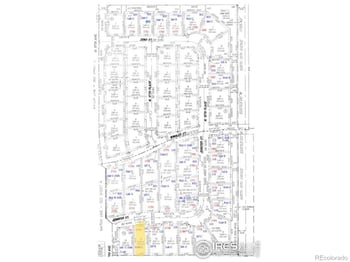
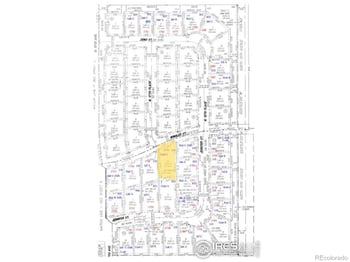
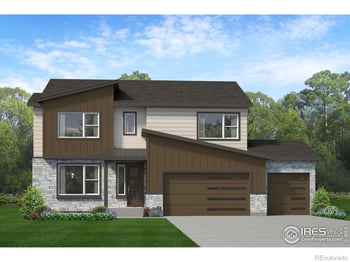
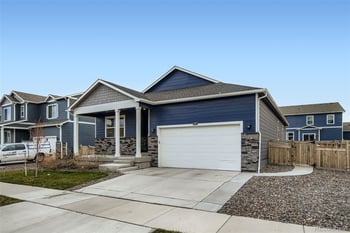
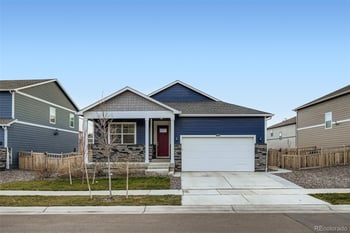
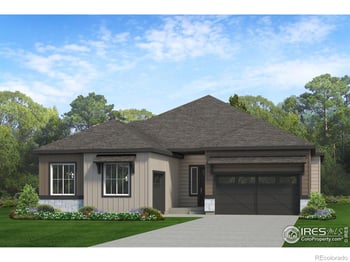
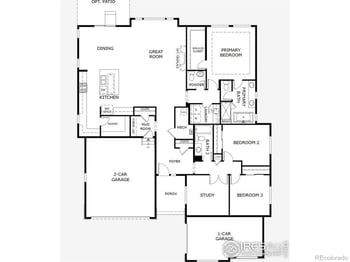
1714 Jennifer St, Brighton, CO 80601
MLS#: RECIR1048548
Brighton homes for sale sit northeast of Denver in Adams County, where neighborhoods feel more open and daily routines are easier to manage over time. Much of the city developed along Highway 85 and I-76, giving residents direct routes toward Denver and DIA while keeping most residential streets quiet and resident-focused. Housing here often emphasizes functional floorplans, including homes with primary bedrooms on the main level or layouts that limit daily stair use, supporting long-term comfort without unnecessary upkeep. Brighton tends to attract buyers looking for space, predictability, and homes that continue to work well years down the road, not just right now. Scroll below to view current Brighton listings and see which options align with that kind of planning.
















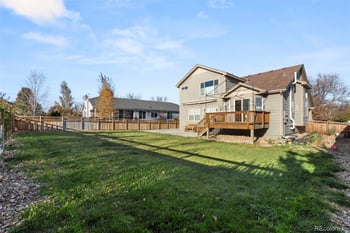
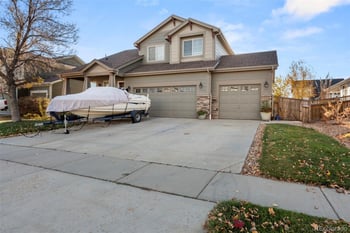


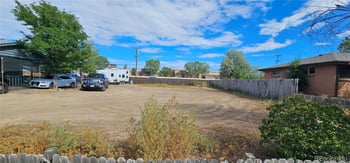
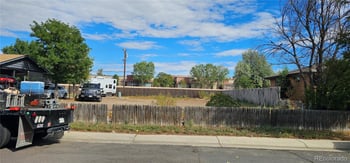

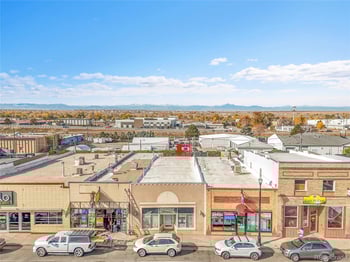


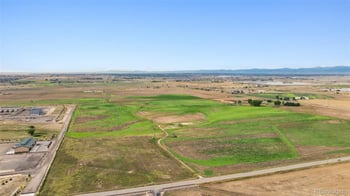

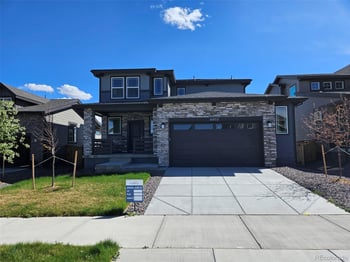
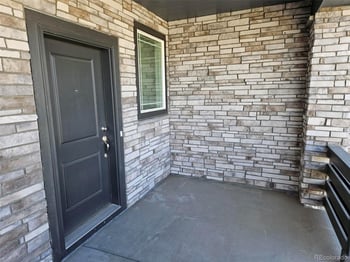

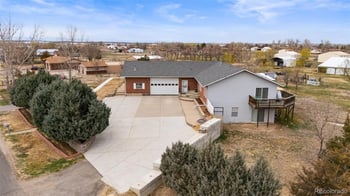
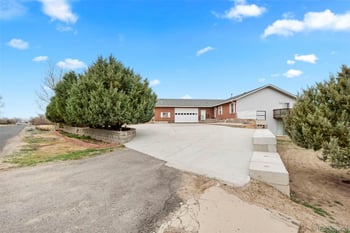


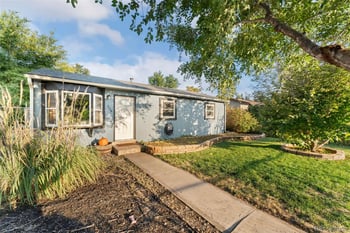

Daily driving is shaped by I-76 and US-85. Where you land relative to those corridors often matters more than the neighborhood name when it comes to errands and commute ease.
A lot of “day-to-day” Brighton happens around Prairie Center, where shopping and services cluster—along with Platte Valley Hospital right in that same area.
Many buyers look specifically for primary suite-on-main-floor layouts or floorplans that limit daily stair use. In Brighton, that filter tends to surface options that feel more future-proof without forcing you into one exact home type.
If you like easy nature access without a long drive, Barr Lake State Park is a local anchor, and Brighton also connects into regional trail systems tied to the Front Range Trail network.
Brighton is convenient, but it is not trying to be a walkable urban place. Most households still organize life around the car—so being close to your go-to routes and stops is the quality-of-life lever.
Brighton often works well for right-sizers who want more space, calmer residential pockets, and straightforward access for medical appointments, errands, and airport runs—without paying for a “close-in” lifestyle they won’t use.
Living in Brighton feels different once you’ve been here long enough to stop thinking in terms of city names and start thinking in terms of routes, timing, and habits. Mornings are usually quiet in residential areas, but movement through town is shaped by a few very real factors—train tracks, school schedules, and which east-west road you choose that day.
Brighton is split in ways that don’t always show up on a map. The older, more established parts of town closer to Bridge Street feel settled and familiar. The newer areas pushing north and east feel more open and spread out, but also farther from the places people go every week. Most residents know pretty quickly which side of that line they prefer.
There’s also no pretending Brighton is completely disconnected from its agricultural roots. Depending on the wind and the time of year, you’ll smell it. Locals don’t make a big deal out of it, but they definitely notice. It’s part of living a little outside the metro bubble, and most people who stay here accept that tradeoff without much fuss.
Getting around Brighton isn’t complicated, but it is specific. The train tracks cut straight through town, and everyone who lives here has been stuck waiting at least once. That’s why locals tend to think ahead about where they cross—especially around Bridge Street—because a stopped freight train can turn a five-minute drive into a long pause.
East-west travel is its own conversation. Bridge Street and Bromley Lane both get you across town, but they feel very different depending on the time of day. School pickup hours and train timing can swing the decision either way, and most people develop a default route they trust.
Heading toward Denver or DIA usually means taking I-76 west or dropping down US-85, depending on timing. Early mornings are usually smooth. Late afternoons take more thought. Locals don’t obsess over miles—they think about when to leave and which on-ramp won’t slow them down that day.
Brighton’s housing stock reflects how the town grew over time. In the older parts of town, you’ll see a lot of 1970s and 1980s ranch-style homes, often with basements that end up being just as important as the main floor. Finished basements get used for storage, hobbies, guests, or grandkids, while unfinished ones tend to become long-term projects people chip away at over the years.
As you move toward the newer edges of town, homes shift into larger two-story builds from the 2000s and later. These tend to sit on slightly bigger lots, with more space between neighbors than you’d find closer to Denver. People often appreciate the breathing room, even if it means being a little farther from older shopping areas or familiar routes.
What matters most over time isn’t the style so much as how the house holds up to everyday use. Buyers start paying attention to things like whether the main living spaces feel close together, how often stairs come into play, and how much of the house they actually use in a normal week. A lot of people end up favoring homes that feel practical and forgiving rather than oversized or complicated.
Yard size plays into that decision too. Some areas around Brighton still brush up against agricultural zoning or larger parcels, which can be appealing at first. Over time, though, many buyers realize they’d rather have a yard they can manage easily than one that constantly needs attention.
Prairie Center is where most errands end up, for better or worse. It’s convenient, central, and has what people need—but it also gets busy. Weekends and late afternoons can feel crowded, especially near the roundabouts and the Eagle Boulevard exit. Locals know when to go and when to stay away.
Many residents split their routines between Prairie Center and the older shopping areas in town depending on what they’re doing. Some people stick to the older King Soopers to avoid crowds. Others prefer newer stores but plan around peak times. It’s a quiet balancing act most people figure out quickly.
As appointments become more frequent, that predictability starts to matter. Being able to group stops into one trip and avoid crossing town multiple times is one of the reasons Brighton works well for people thinking ahead.
Trips toward Denver or DIA are less about distance and more about timing. Taking I-76 west early usually keeps things calm. Waiting too long can mean sitting in traffic you saw coming. Most locals don’t check apps constantly—they know the windows that work.
One advantage Brighton has is that you’re not fighting dense city streets just to get out of town. Once you’re on the highway, the drive settles down. For people who travel a few times a year, that predictability goes a long way.
Barr Lake is part of everyday life for a lot of people here. Morning walks, quiet loops, watching the seasons change—it’s not a destination you plan around. It’s just there when you want to get outside without committing to a long drive or a crowded trailhead.
Around town, smaller parks and walking paths get used regularly, especially in the mornings and evenings. Outdoor time in Brighton tends to be simple and repeatable, not something you have to gear up for.
Growth in Brighton hasn’t hit every area the same way. Most new development shows up along the north and east edges, while the older core of town feels largely unchanged. That contrast becomes obvious once you’ve lived here a bit.
More development has brought more options, but it’s also changed traffic patterns and timing. People who’ve lived here a while tend to notice those shifts first, and they adjust how they move through town rather than fighting it.
Many buyers look at places closer to Denver before landing on Brighton. The difference usually comes down to how much congestion you’re willing to live with and how much space you want around you.
Brighton feels more separated from the metro area, partly because of the farmland and open space that surround it. That “island” feeling is something people either really like or realize isn’t for them. Most decide once they picture their actual day-to-day routines.
Before buying in Brighton, it’s worth being honest about how you want your days to feel. How much driving you’re comfortable with. How much upkeep you want. Whether stairs, basements, and larger yards still make sense for you.
Understanding the trains, the roads you’ll use most, and where growth is happening can save a lot of frustration later. People who think those things through upfront usually settle in more comfortably.
Yes. The train tracks run straight through town, and when a freight train stops, it can hold traffic for a while—especially near Bridge Street. Most locals learn which crossings to avoid and adjust routes depending on the time of day. It’s not a daily problem, but it’s something you plan around once you’ve lived here.
Both. Prairie Center is where most shopping and errands happen, so it’s convenient, but it also gets busy—especially on weekends and late afternoons. Locals usually have preferred times to go and will sometimes use older shopping areas in town to avoid crowds.
At times, yes. Depending on the season and wind direction, you may notice agricultural or feedlot smells. It’s not constant, and most residents get used to it quickly. For many people, it’s a tradeoff they accept in exchange for space and separation from the metro area.
Brighton has a mix of older ranch-style homes, often with basements, and newer two-story homes on the edges of town. Older areas tend to feel more established, while newer areas offer larger homes and more space between neighbors. Many buyers focus less on style and more on how easy the home is to live in day to day.
Brighton feels more separated from Denver than some closer suburbs because of the farmland and open space around it. The drive itself is manageable, but it feels like leaving town rather than moving block to block. Most people either really like that separation or realize quickly it’s not for them.
Brighton tends to work well for people who value space, predictable routines, and a slower day-to-day pace. It’s a good fit for buyers who plan ahead, don’t mind driving for certain things, and want a town that feels separate rather than tightly packed into the metro area.


