
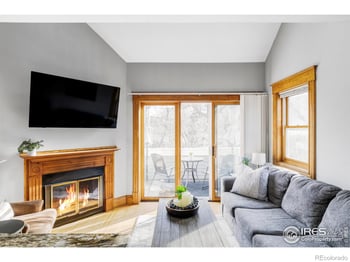
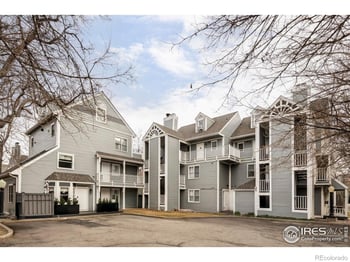
Boulder homes for sale appeal to buyers who want daily life to work without constant planning—where coffee, groceries, trails, and appointments often sit within the same few-mile radius. Most routines organize around familiar corridors like Broadway and 28th Street, with Pearl Street and the Boulder Creek Path acting as natural anchors rather than destinations you “schedule.” Neighborhoods function like small villages, so errands tend to stay local, and many residents walk or bike for more of the week than they expected. The payoff is a highly active, walk-forward lifestyle that still feels grounded and predictable, shaped as much by open space and sunlight as by the street grid. The trade-off is learning Boulder’s friction points—parking permits near downtown, older-home maintenance, and traffic timing during peak hours—where route choice matters more than distance. Scroll below to view current Boulder listings.
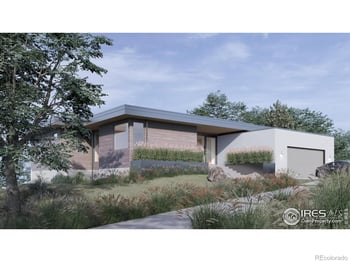

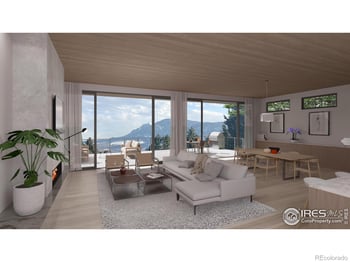

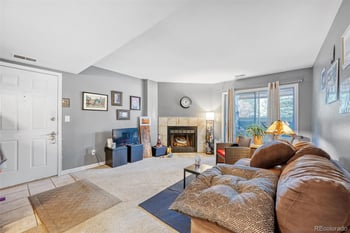
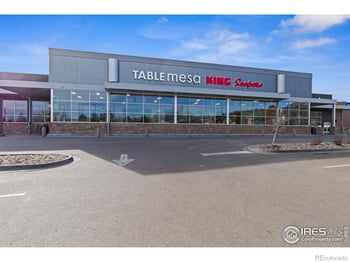
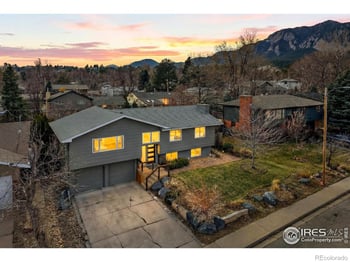
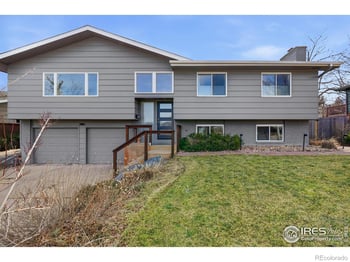
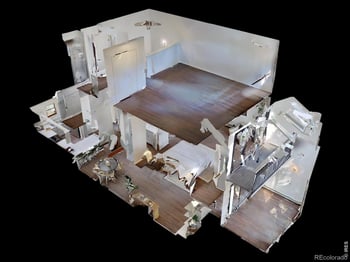
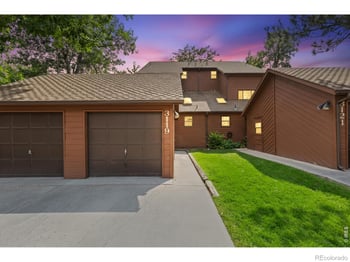
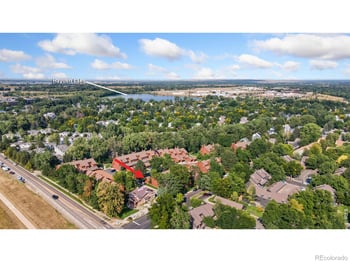


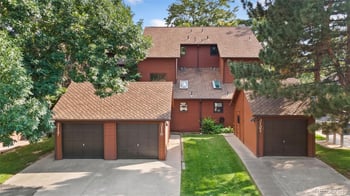

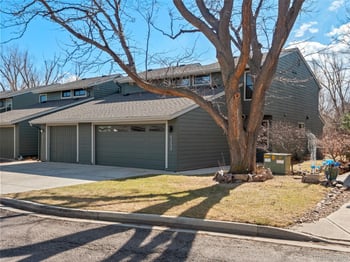
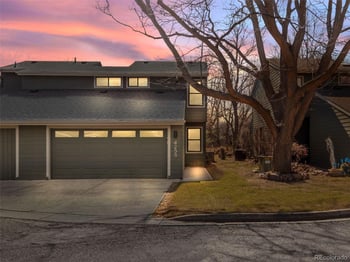
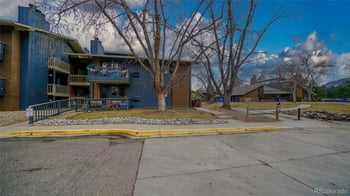
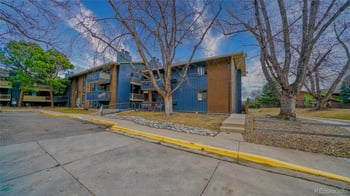



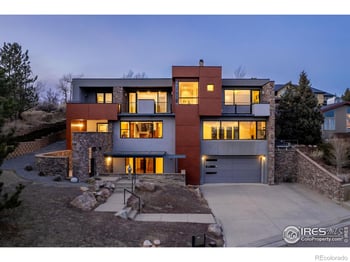
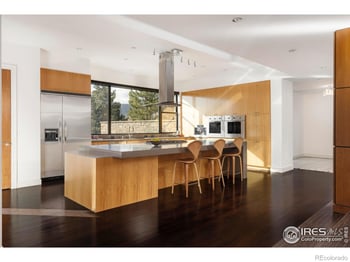
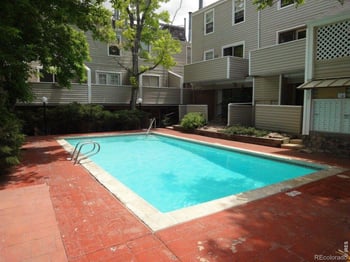
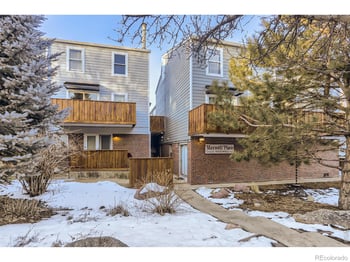



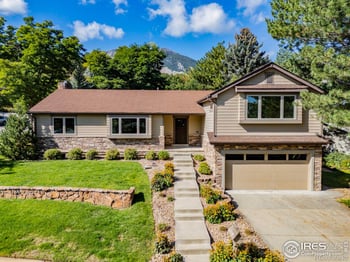
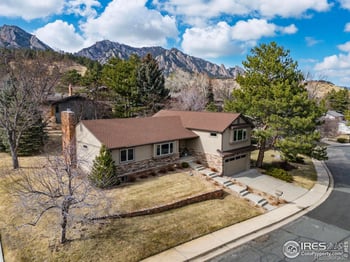
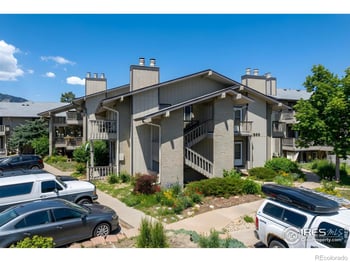

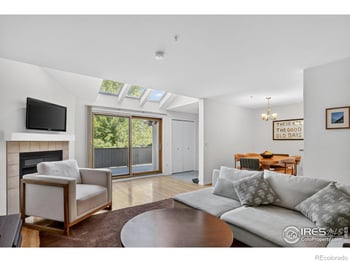
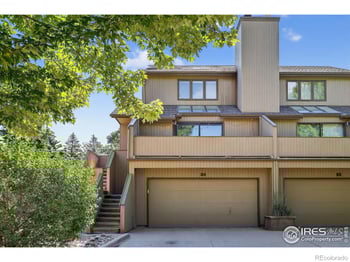
Daily life is usually shaped by a few repeat routes: Broadway for north–south errands, 28th Street when you’re doing bigger shopping, and Canyon/US-36 when you’re heading toward Denver. The first week feels busy; the second week feels predictable—once you know which corridor you naturally live off.
If you’re drawn to Pearl Street, Mapleton Hill, Whittier, or anywhere close to CU, understand that street parking is its own little system. Some pockets rely on neighborhood permit rules and timed zones, and visitors can spill over on big weekends. The upside is walkability to coffee, dinners, and the library; the trade-off is learning the local parking habits early.
Boulder’s trails aren’t an occasional hobby here—they’re how people clear their heads before dinner. But the most popular access points (like Chautauqua) can feel crowded or parking-tight in peak seasons. Many locals avoid the friction by using shuttle options when they’re running, or by choosing less obvious trailheads and connecting in from neighborhood paths.
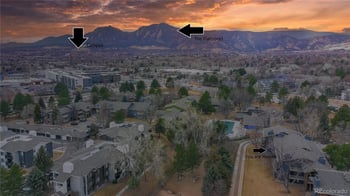
In Boulder, “west vs. east” can quietly change your day: foothills-adjacent areas feel closer to trails and have a different winter sun/shade pattern, while central and east Boulder tend to be more straightforward for errands and flatter walking loops. If you’re right-sizing, this is where you match the home to how you actually live.
Living in Boulder is less about navigating a city and more about settling into a pattern that repeats comfortably once you understand it. Most daily movement funnels through a few familiar corridors—Broadway for north–south travel, 28th Street for practical errands, and Canyon Boulevard / US-36 if Denver is part of your week. What surprises many new residents is how localized life becomes. Boulder is built so most people default to their own pocket for coffee, groceries, and evening routines rather than crossing town.
Locals treat Pearl Street and the West End as a shared living room, not a destination. A weekday dinner, a library stop, or a slow walk home feels normal here—especially if you live just off the core in places like Mapleton Hill or Whittier. As the university energy fades in the evening, the city noticeably quiets, favoring early mornings and familiar faces over late nights.
The city’s Core Arterial Network (CAN) redesigns—most visible along Iris Avenue and Baseline Road—are changing how residents move through North and East Boulder. These calmer, safer corridors make walking and biking easier for everyday errands, but they’ve also adjusted traffic flow in ways locals feel during the afternoon window. It’s a small detail on paper that becomes meaningful when choosing which block or side of the street fits your routine.
For right-sizers, this predictability is the appeal. Boulder rewards people who value walkable habits and recognizable rhythms. The trade-off is learning the city’s specific frictions—neighborhood parking permits near downtown, seasonal shuttle patterns around Chautauqua, and how the Flatirons’ shadows shorten afternoon sun in winter. Once those details are second nature, Boulder stops feeling like a place you manage and starts feeling like a place you simply live.
Boulder rewards people who think in routes and timing rather than straight-line distance. Most daily movement settles into a familiar pattern: Broadway for north–south travel, 28th Street for retail errands, and Canyon Boulevard / US-36 when Denver is on the calendar. Once you learn how these behave by hour—not by mileage—daily life becomes noticeably smoother.
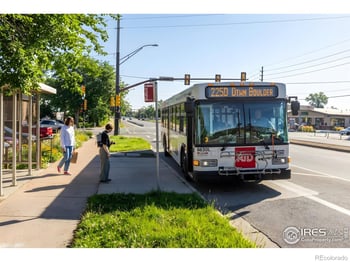
For commuters, the split is practical. US-36 and the Flatiron Flyer handle longer runs toward Denver or DIA, while many residents avoid the 28th Street crawl entirely by leaning on the SKIP bus along Broadway. It functions as the city’s moving spine, letting locals bypass parking pressure near Pearl Street and handle short trips without turning every errand into a drive.
The practical takeaway is flexibility. Boulder isn’t a place where you have to bike or take transit—but it’s a place where mixing modes often saves time. Once you realize a trip from Mapleton to Table Mesa can be easier by path or bus than by car, the city starts working with you instead of against you.
For many residents, daily movement in Boulder quietly changes once they understand the Boulder Creek Path. It isn’t treated like a recreational trail so much as a car-free corridor that stitches together neighborhoods, downtown, and campus without a single stoplight. It’s the city’s connective spine—letting you reach Pearl Street, the Boulder Public Library, or a mid-day reset without thinking about parking.
Living near a path access point reshapes habits. A short errand from Whittier or Goss Grove often turns into a walk instead of a drive. Over time, you start recognizing the same people—the morning commuters moving east toward campus, the evening walkers looping back toward Eben G. Fine Park—and the path begins to feel less like infrastructure and more like shared space.
The trade-off is proximity. Homes directly on the creek feel connected, but they also experience heavier foot traffic on warm weekends. Many long-term residents aim for the sweet spot—three to five blocks away—close enough for daily use without the path running past their backyard.
The Bottom Line: Once the creek path becomes part of your routine, Boulder stops feeling like a collection of busy streets and starts feeling like a series of connected neighborhoods.
One of the most important decisions buyers make in Boulder isn’t about price or square footage—it’s about how much daily activity they want surrounding their home. Boulder works best when your neighborhood matches your tolerance for motion, noise, and logistics. This is where many newcomers misjudge fit, especially if they fall in love with the idea of “walkable” without thinking through the day-to-day reality.
Areas like Mapleton, Whittier, and Goss Grove offer true walk-first living. You can reach Pearl Street, the library, and the creek path on foot, and daily life often unfolds without a car. The trade-off is friction. Parking permits are required, guest parking takes planning, and weekend foot traffic is part of the deal. For residents who enjoy energy and don’t mind structure, these neighborhoods feel alive. For others, they can feel busy in ways that don’t always show up on a map.
Quieter areas like Table Mesa, Frasier Meadows, and parts of Devil’s Thumb appeal to buyers who want calm mornings and fewer variables. Streets are wider, parking is easier, and routines feel more predictable. You still have access to trails, shopping, and downtown—but movement tends to happen by choice rather than by default. These neighborhoods are especially popular with right-sizers who want to simplify daily life without giving up Boulder’s outdoor access.
Walkability in Boulder often comes with rules—parking permits, guest limits, and busier weekends. Quiet neighborhoods trade spontaneity for control. Neither is better; the right choice depends on whether you want your surroundings to stay active or settle down once the day is done.
What long-term residents learn is that comfort in Boulder comes from alignment, not prestige. The best neighborhood isn’t the one everyone talks about—it’s the one that supports how you actually move through your day, week after week.
In Boulder, “rules” rarely mean uniform mailbox colors or surprise HOA fines. They’re more about protecting how the city functions over time. Large, master HOA structures are uncommon here. Instead, oversight typically comes from three places: historic district guidelines, city zoning and preservation rules, and smaller neighborhood or building-level associations that focus on maintenance rather than lifestyle control.
Homes in areas like Mapleton Hill, Whittier, or Chautauqua often fall under historic district oversight. These rules aren’t designed to freeze houses in time; they exist to manage visible change. Exterior window replacements, additions, or rooflines that face the street may require review through the city’s landmarks process. For many right-sizers, that trade-off is intentional—it limits disruptive remodels next door and helps preserve sunlight, spacing, and long-term stability.
The practical takeaway is that Boulder’s rules are precise rather than heavy-handed. Buyers who do best here ask early questions about historic overlays, height limits, and solar access instead of assuming a one-size-fits-all HOA model. Once understood, these frameworks feel less like obstacles and more like the reason Boulder has avoided out-of-scale redevelopment.
Healthcare rarely leads a home search, but in Boulder it often determines how long people stay. The city’s daily life is built around staying local—walking to errands, biking to appointments, keeping routines compact—and that only works when medical care fits into a normal day instead of turning into a trip down US-36.
Most care in Boulder centers around Boulder Community Health and the Foothills Hospital campus near Arapahoe. Primary care, cardiology, orthopedics, oncology, and imaging are spread throughout town, with groups like Boulder Medical Center embedded along Broadway and near central neighborhoods. For many residents, that means appointments don’t break the day—you can handle a follow-up and still be home in time for a walk along the Creek Path.
The trade-off is demand. Boulder’s popularity means some specialists book further out, especially during the university’s active months. Long-time residents manage this by establishing local primary care early and keeping everything inside the Boulder network. Over time, access—not urgency—becomes the real advantage.
The takeaway: In Boulder, healthcare isn’t about emergency response—it’s about preserving independence. When care stays close, daily life stays predictable, which is exactly what allows many residents to remain in the city longer than they originally planned.
Even buyers without kids at home pay close attention to schools in Boulder—not for daily use, but for the stability they provide over time. The city sits within the Boulder Valley School District (BVSD), and while every address has an assigned neighborhood school, Colorado’s Open Enrollment system is what quietly keeps demand broad and resilient across the city.
Locals rarely talk about schools as a single ranking. Instead, they talk about “choice paths.” Families can apply to attend schools outside their immediate neighborhood, which means a home in North Boulder, Central Boulder, or South Boulder isn’t locked into one outcome. Well-known campuses like Fairview High, Boulder High, Whittier International, or programs such as Horizons K–8 and Community Montessori remain part of the conversation citywide, keeping neighborhoods from becoming overly dependent on a single boundary.
BVSD has consistently adapted its enrollment policies and program offerings to remain attractive to working families across Boulder and the surrounding region. Magnet programs, language immersion, and flexible choice pathways all serve the same purpose: maintaining steady demand for Boulder addresses even as local demographics shift. For homeowners, that adaptability helps protect long-term resale value.
The practical trade-off is timing. The primary choice window typically runs from late fall into early January, and availability can vary by program and grade level. Savvy sellers understand this rhythm and position their homes by highlighting both their assigned school and nearby choice options. In Boulder, schools aren’t just about classrooms—they’re about preserving confidence in the neighborhood long after the kids are grown.
Boulder tends to reward people who value intentional routines over spontaneity. It fits buyers who like mornings that start early, days shaped by walkable errands or a familiar bike loop, and evenings that wind down rather than ramp up. If your ideal rhythm includes a quiet coffee run, a mid-day reset near the foothills, and streets that settle by nightfall, Boulder often feels supportive instead of restrictive.
Right-sizers who thrive here usually care less about square footage and more about how a home fits into the city itself. They appreciate neighborhoods where walking to the library, the creek path, or a neighborhood market replaces short car trips. Boulder favors the long-term thinker—someone who values solar access, preservation rules, and a city that has clear boundaries rather than constant outward growth.
What newcomers often underestimate is the 9:00 PM wall. Despite the university presence, Boulder quiets down early. Dining and cultural options are high-quality and deliberate, but the city doesn’t chase constant novelty. For buyers who want a more suburban feel or a lower barrier to entry, nearby towns like Louisville or Longmont can feel easier day-to-day.
The Bottom Line: Boulder works best for buyers who are ready to trade speed and flexibility for consistency, access, and a daily life that remains livable long after the move is done.


