New - 1 Day Ago


.jpg)



When people search “cost of living,” they usually expect a spreadsheet—gas, groceries, and rankings. That framing breaks down quickly once you’re thinking about homeownership on Colorado’s Front Range. The real costs—the ones that shape your daily ease—show up as surprises, not line items. Taxes that vary neighborhood to neighborhood. Insurance rules that change after a hail season. HOA coverage that sounds the same in a listing, but behaves very differently once you live there.
If you want the broader sequencing plan that most successful relocators follow, start with the strategic relocation checklist for the Colorado Front Range. If you’re already leaning toward simpler ownership, this article pairs naturally with what “low-maintenance living” really means in Colorado.
For most Front Range homeowners, the costs that matter aren’t the obvious ones. They’re the friction costs that quietly add stress if you didn’t plan for them:
None of this is meant to scare you off. It’s simply the difference between buying a home and buying a routine.
Property taxes can look straightforward until you realize two similar-looking neighborhoods may be paying for infrastructure in completely different ways. The Front Range has plenty of traditional city and county tax setups—but many newer communities also sit inside special taxing structures that change the total picture.
If you’ve never lived in Colorado, “Metro District” can sound like a city tax. It isn’t. In plain terms, it’s a financing mechanism that helps fund neighborhood infrastructure—things like roads, utilities, parks, and sometimes community amenities—especially in newer developments. The trade-off is predictable services and newer construction on one side, and an added tax layer on the other.
For an official explanation of how these work, the Colorado Department of Local Affairs’ overview of metropolitan and special districts is the most reliable reference. This is one of the most common areas where out-of-state buyers get surprised—not because it’s bad, but because it wasn’t explained clearly upfront.
A simple habit that saves stress later is asking for the full tax breakdown and HOA documents early—before you emotionally commit—so you’re evaluating the home and the ownership structure together.
If you like the “newer neighborhood” experience, this isn’t automatically a negative. It’s simply something to confirm early—before you fall in love with a home and start rationalizing the fine print.
HOAs along the Front Range vary widely. Some are light-touch, covering little more than common landscaping and basic rules. Others function like a service bundle: snow removal, exterior landscaping, trash, and sometimes exterior maintenance depending on the property type. In the right setup, this can feel like a genuine lifestyle upgrade. In the wrong one, it feels like paying for rules you don’t benefit from.
If your goal is fewer chores and fewer decisions, the right HOA fades into the background. The wrong one becomes a monthly source of irritation.
Hail and wind events are part of the ownership rhythm here. Insurance policies often treat these differently than other claims, and deductibles may be percentage-based rather than flat amounts. Roof age, roofing material, and prior claims history all influence how coverage works in real life.
When budgeting, it helps to think beyond the annual premium. Ask how hail and wind deductibles work, how roof condition affects coverage, and what happens after a regional storm season. This is one reason many buyers compare how different Colorado home styles affect ongoing upkeep before settling on a specific property.
For real-time road and travel conditions during storm seasons, many locals rely on COtrip, especially when weather changes quickly.
Utilities aren’t usually shocking month to month, but they do move with the seasons. Wind exposure, elevation changes, and wide temperature swings give Front Range utility patterns a different feel than flatter or more humid regions. Winter heating, summer cooling, and home design all affect comfort and cost far more than an annual average.
Single-level layouts and well-insulated homes tend to keep those swings more predictable, which matters more over time than chasing the lowest possible bill.
Sun exposure, freeze-thaw cycles, wind, and hail shape maintenance here. Over time, the real cost isn’t just money—it’s the attention required to keep a home in good shape.
This is why many buyers eventually prioritize communities or home styles that reduce exterior responsibilities. It’s less about avoiding work and more about preserving time and energy.
Transportation costs are really about routine distance. Two homes can be priced similarly, but one requires constant driving while the other keeps daily life compact. Toll roads like E-470 can be a quality-of-life tool or an ongoing expense, depending on how often you use them.
One quiet realization many newcomers have is that the Front Range isn’t one experience—it’s a series of north–south corridors, each with its own cost rhythm. Northern stretches tend to trade longer drives for quieter routines. Southern and southeastern corridors often trade toll usage for time savings. Foothill-adjacent areas trade increased maintenance exposure for views and access. The “right” choice usually depends less on price and more on how often you repeat the same drives each week.
If airport access or cross-metro travel is part of your routine, it’s worth understanding toll options in advance. Current rates and payment options are available directly from the E-470 Public Highway Authority.
Even when schools aren’t part of your household, they influence neighborhood stability and long-term desirability. Safety works the same way. Rather than chasing statistics, many locals pay attention to lived signals: evening activity, park usage, walkability, and how neighborhoods feel at different times of day.
Over time, many Front Range buyers discover that predictability favors certain ownership patterns—homes with fewer exterior responsibilities, communities with clearly defined maintenance roles, and layouts that don’t require constant adjustment. Paying slightly more for those traits often reduces long-term friction in ways spreadsheets don’t capture.
The goal isn’t to minimize spending—it’s to minimize surprise.
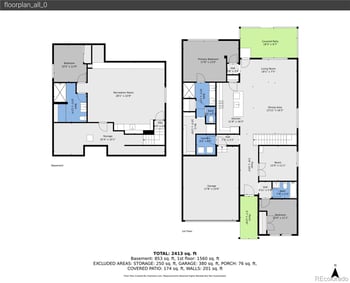
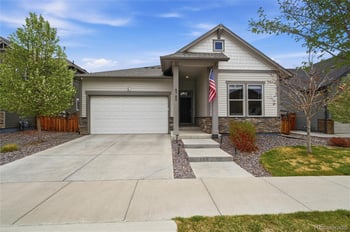
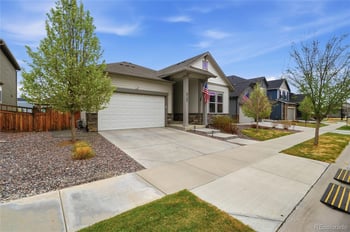
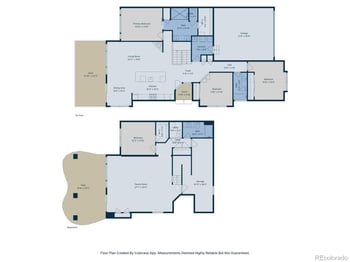
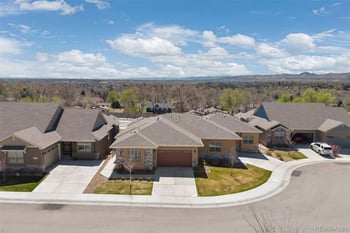
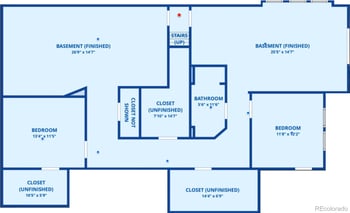
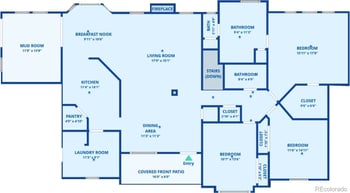
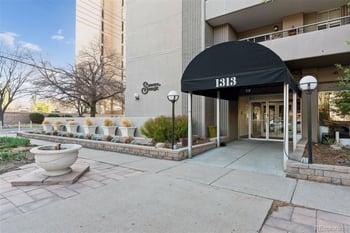
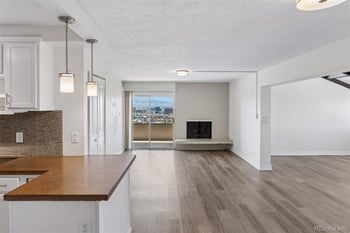
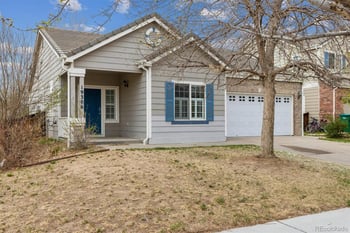
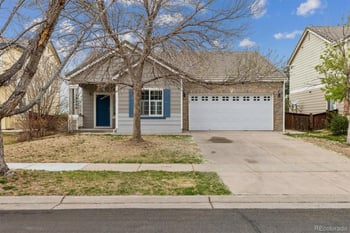
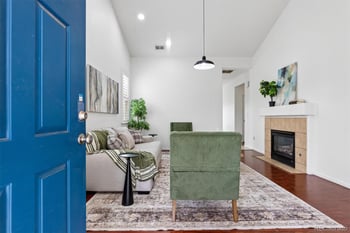
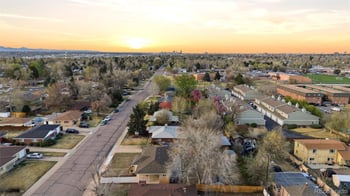
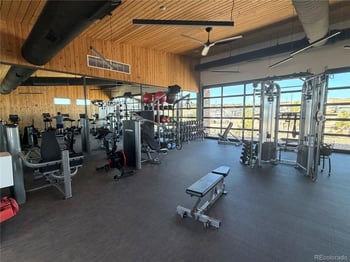
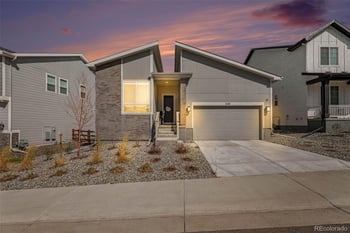
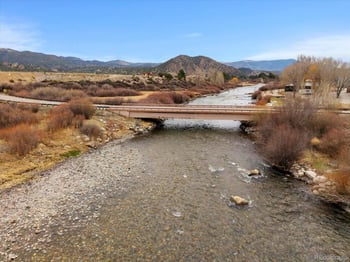
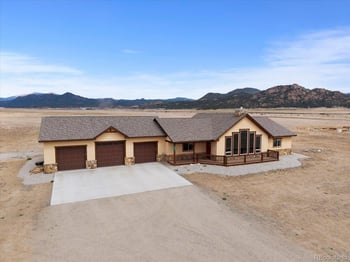
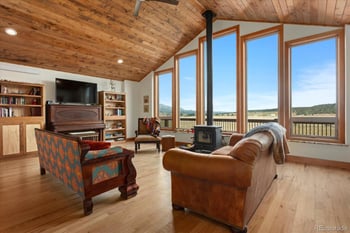
If predictable routines and low-fuss ownership matter to you, the listing grid below can help ground this discussion in real options. Use it as confirmation, not pressure—a way to see how these trade-offs show up in actual homes. If you want to connect these ownership costs directly to layout decisions, it’s helpful to revisit how different Colorado home styles influence upkeep, utilities, and insurance over time.










They can be—when they reliably remove the tasks you don’t want to manage. The “worth it” test is practical: confirm what the HOA actually covers (snow removal, exterior landscaping, trash, exterior maintenance if applicable), how consistently it’s delivered, and how strict the rules are in day-to-day life. A good HOA fades into the background and buys you predictability. A frustrating HOA feels like paying monthly for rules and uneven service.
Ask for the full property tax breakdown early, alongside the HOA documents, and confirm whether the home is in a Metro District or other special district. The key is to evaluate the home and the ownership structure together—before you’re emotionally committed. Two homes can look similar and still carry very different tax layers depending on how the neighborhood was financed.
Metro Districts are designed to fund infrastructure over time, and the structure can vary by district—so there isn’t one universal answer. The practical approach is to treat it as a long-term ownership factor and ask for the specific district details tied to the property you’re considering. If predictability is your priority, clarity up front matters more than assumptions.
Hail and wind events are a recurring reality, and many policies treat those risks differently than other claims. Deductibles can be structured in ways that surprise out-of-state buyers, and roof condition can influence both pricing and coverage outcomes. A calm way to plan is to understand the hail and wind deductible structure, review roof history, and budget for maintenance as a normal part of Front Range ownership.
It depends on which kind of predictability you want. Newer homes often offer modern systems and layouts that can feel easier day to day, but they may come with HOA structures and special districts that affect monthly reality. Older neighborhoods may offer fewer layers and more flexibility, but they can require more hands-on maintenance over time. The best choice usually comes from matching the home’s upkeep rhythm—and the neighborhood’s fee structure—to how you want your life to run.
For many homeowners, yes—because corridor choice shapes your routine costs: driving time, toll usage, winter travel patterns, and how contained daily errands feel. A home can be perfect, but if it builds constant driving into your week, the “cost” shows up as time and friction. The most comfortable long-term setups usually combine a functional layout with a location that keeps daily life predictable.
Your Real Estate Expert. Regarding real estate in the Denver Metro market, you deserve an expert who places your needs above all else. I'm Brian Burke, a licensed REALTOR® and seasoned real estate broker and owner of Kenna Real Estate with over two decades of experience. I've helped hundreds of home buyers and sellers navigate every transaction, and my comprehensive industry knowledge spans from appraisal to mortgage to real estate expertise.
My dedication to excellence has earned me recognition as a pricing specialist. This allows me to find the best solutions for even the most unconventional transactions to benefit my clients. Consider me your trusted Real Estate advisor for your next transaction, whether it's for yourself, a loved one, or a friend. Always choose an agent who aligns with your needs, even if that means exploring other options.
You may not be aware that I've held a REALTOR® license since 2002, dedicating my time to becoming an authority in all aspects of Residential Real Estate and Construction. In addition, I established my own Real Estate brokerage firm, providing comprehensive 360-degree Real Estate services, from the initial acquisition of a client's first Real Estate asset to the disposition of their entire Real Estate portfolio.
My commitment is unwavering in delivering top-notch service that consistently exceeds my clients' expectations, whether you're selling or buying. Even after the transaction is complete, I remain your lifelong REALTOR®, ready to assist you at any time. When you, your family, or friends choose me as your Real Estate agent, I promise to be the best agent you've ever worked with in the Real Estate industry.
Proudly serving Arapahoe, Douglas, El Paso, Denver, Jefferson, Weld, Lairmer, Elbert, Broomfield, Boulder, and Adams Counties! I have a team of anents in most Colorado cities from Fort Collins, to Grand Junction, to Denver, and Colorado Springs.
This is what You Get when I sell your house:
When it comes to your real estate, trust in a dedicated professional who puts your goals first. Contact me, Brian Lee Burke, today, and let's turn your real estate dreams into reality.


