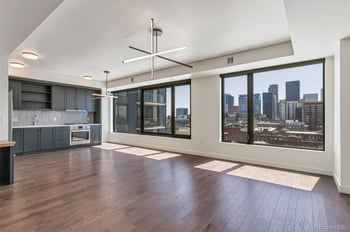
.jpg)


_0001.jpg)
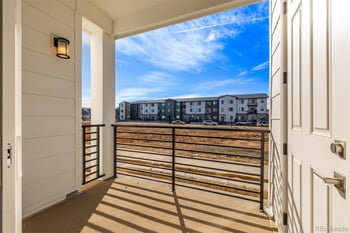
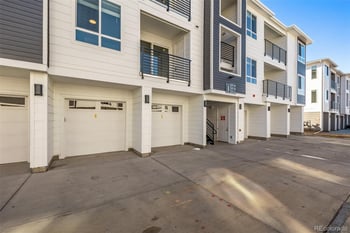
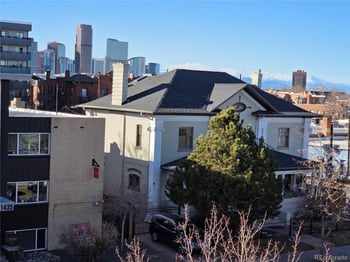
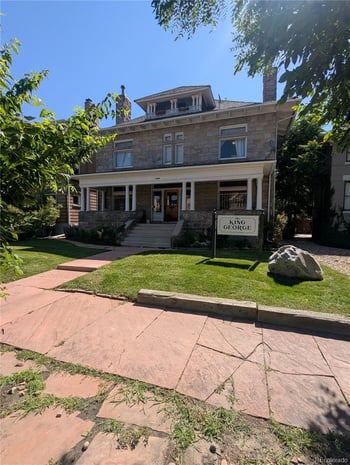
You have likely felt the pull. On one side, there is the emotional draw of a brick Denver Square in a mature neighborhood like Wash Park or Applewood—tree-lined streets, unique architecture, and a sense of history. On the other side, there is the practical appeal of a brand-new patio home in Parker or Arvada—open floor plans, zero-step entries, and the promise of "lock-and-leave" freedom.
For right-sizers, choosing between these options is not just about picking a floor plan. It is a choice between two different financial lifestyles.
The question isn’t just "what can you afford to buy?" It is "how do you want to spend your time and your monthly budget?" Here is the specific maintenance reality of the trade-offs you will feel long after the moving boxes are unpacked.
Maintenance in Pre-2000s Homes (Established Neighborhoods)
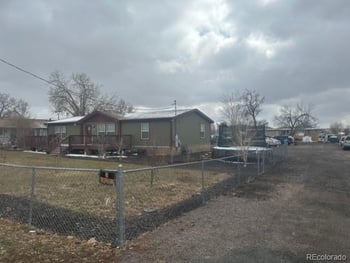
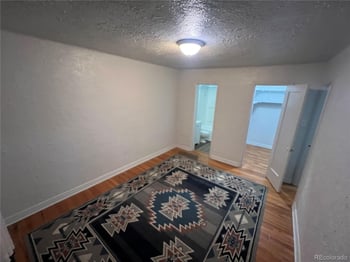
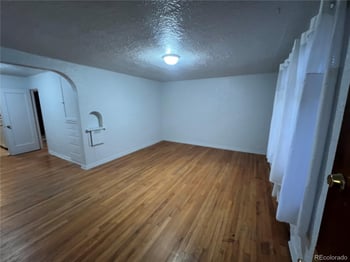
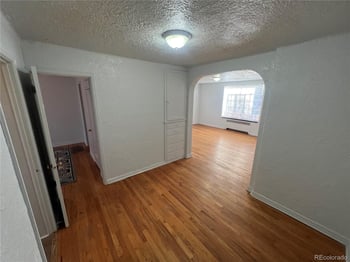
We all appreciate the character of a 1920s Bungalow or a 1960s ranch. But in the Denver metro area, maintaining that character requires a specific budget. Owning a historic property is often less about managing monthly costs and more about preparing for unpredictable capital expenditures.
The Hidden Infrastructure: Clay Sewer Lines
In many established Denver neighborhoods, the sewer lines running from the house to the street are made of clay. While the magnificent 50-year-old trees shading the street add immense value and beauty, their root systems aggressively seek out moisture in these vintage pipes.
The reality for many owners is that roots find tiny cracks in the clay, enter the line, and eventually block or crush it. You might go three years with zero issues, and then face a sudden $15,000 bill to excavate and replace the line. Because of this specific local risk, we always advise that if you choose an older home, a "sewer scope" inspection is a non-negotiable step before closing. We detail other hidden structural issues in our guide to Quiet Risks to Watch for When Buying on the Front Range.
Insulation Quality and Utility Fluctuations
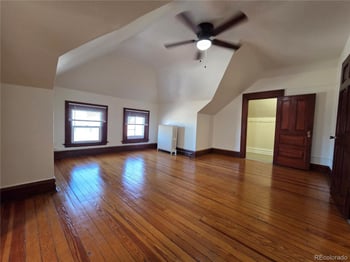
Older brick homes are visually appealing, but brick itself is a poor insulator. Many homes built before 1970 have little to no insulation in the walls and may still rely on original single-pane windows or older double-panes that have lost their thermal seal.
Consequently, utility bills in these properties often fluctuate significantly between January and July. You may pay a premium to heat the neighborhood in winter or battle to keep the second floor cool in summer. While you gain a centralized location and potential land appreciation, you lose the "flat-rate" predictability of your monthly overhead.
The Insurance Reality: Old Roofs and Hail
Beyond utilities, there is the issue of insurability. Colorado’s frequent hail storms have made insurers strict. An older home with a 15-year-old roof may face significantly higher premiums—or require a full roof replacement before a carrier will even write a policy. New construction, conversely, comes with class-4 impact-resistant shingles that often trigger immediate insurance discounts.
The "Tinkering" Factor
There is always something to repair in an older home, whether it is a loose railing, a stuck window sash, or a galvanized plumbing pipe that develops a pinhole leak.
The question isn't just whether you can fix a loose railing or seal a window; it is whether you want to. For many right-sizers, the goal is to retire the ladder along with the career. An older home requires a "General Contractor" mindset that can tether you to the property, whereas the goal of this move is often to sever those tethers.
"With my background in construction, I tell clients: You aren't just buying a view; you're buying a set of systems. In an older home, those systems have history. In a new home, they have warranties. Neither is wrong, but you need to know which set of problems you prefer to manage."
— Brian Lee Burke, Owner & Managing Broker, Kenna Real Estate
Maintenance in New Construction (Post-2020 Developments)
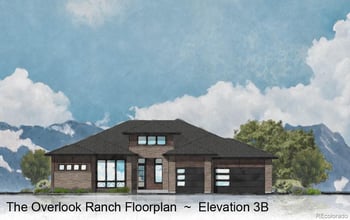
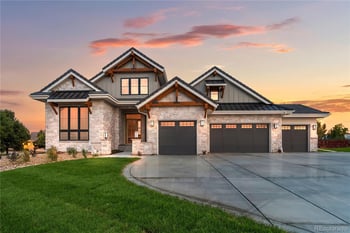
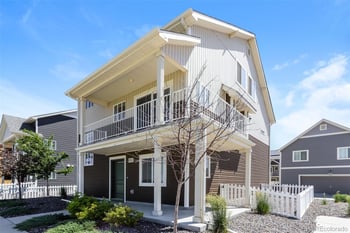
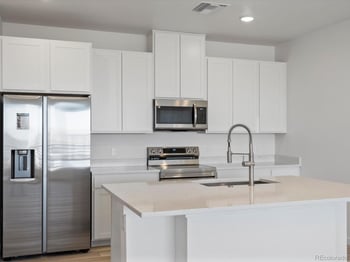
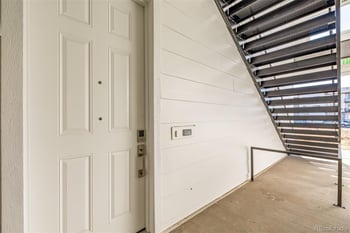
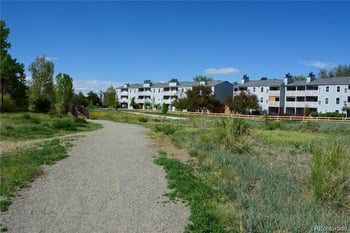
Newer communities, like those expanding in Castle Rock or Erie, offer homes designed to eliminate surprises through "lifestyle engineering." However, that predictability comes with a specific tax structure and set of trade-offs.
Metro District Taxes vs. Repair Costs
The most common confusion regarding new builds in Colorado revolves around property taxes. You might notice that tax rates in new developments seem significantly higher than in older neighborhoods. This difference is frequently due to a Metro District.
Think of this less as a tax and more as a "Lifestyle Subscription." That extra line item on your tax bill is what funds the pristine community entryways, the maintained trail systems, and the clubhouse pool that you don't have to clean. You are paying for the environment, not just the house. Essentially, you are trading "variable" repair costs for a "fixed" higher tax bill. You can read more about how these fees impact your budget in The Real Cost of Living on the Front Range.
Floating Basement Slabs and Expansive Soil
Colorado has expansive soils, often called Bentonite, that swell when wet and shrink when dry. Older foundations often show the scars of this movement with cracks. To counter this, new homes in Colorado are engineered with "floating" basement slabs.
If you walk on a new basement floor and it feels slightly suspended or you see a small gap at the wall, this is intentional. This engineering allows the earth to move below the slab without cracking your foundation, protecting the structural integrity of the asset.
Landscaping and "The Sterile Phase"
New neighborhoods can feel exposed during their first few years. The trees are saplings, and you might see your neighbor’s patio clearly. Furthermore, if the builder does not include backyard landscaping, managing that installation becomes a significant project immediately after moving in. You will need to coordinate sprinklers, sod, and fencing before you can fully enjoy the yard—a sharp contrast to the established canopy of an older lot.
Financial Comparison: Fixed vs. Variable Costs
When deciding, it helps to look at where the money actually goes in each scenario.
Older Home (Resale)
- Property Taxes:
Lower. (Usually no Metro District tax). - HOA Fees:
Rare or Low. (Voluntary associations). - Major Repair Risk:
High / Unpredictable. (Roof, sewer, boiler). - Energy Efficiency:
Variable. (Bills fluctuate with seasons).
New Construction
- Property Taxes:
Higher. (Often includes Metro District tax). - HOA Fees:
Common. (Includes trash, snow removal, amenities). - Major Repair Risk:
Low. (Warranties cover major systems). - Energy Efficiency:
High Efficiency. (Predictable monthly costs).
Renovated Resale Homes and Pop-Tops
For some, the answer lies in the middle. You may find a 1950s ranch in Littleton or Arvada that has been "popped" (a second story added) or fully renovated.
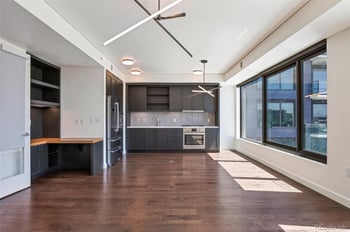
The critical task here is distinguishing between a "cosmetic flip"—new paint and counters—and a "systems overhaul." A cosmetic flip gives you the aesthetic of new construction but retains the maintenance risks of an old home, such as old wiring or cast-iron pipes. We always advise clients to verify that the "systems"—specifically the electrical panel, plumbing lines, and roof—were updated, not just the kitchen cabinets.
Conclusion and Next Steps
There is no wrong choice here. Some right-sizers are happily renovating Victorians because they love the project. Others are thrilled they haven't touched a shovel since moving to a patio home in Lone Tree or Highlands Ranch.
It is also worth considering the legacy of the asset. Historic homes in central Denver often appreciate based on land scarcity—they are a high-value, albeit high-maintenance, savings account. New patio homes in suburbs appreciate based on usability—they are highly liquid assets because the demand for main-floor living is exploding as the population ages.
The key is honest planning. If you are exploring low-maintenance homes or ranch living in the Denver area, the next step is simply getting familiar with what your budget actually buys in these different scenarios.
Would you like us to run a comparison for you?
We can show you side-by-side examples of what a specific budget looks like in a mature neighborhood versus a new construction community, so you can see the trade-offs for yourself.