Listings
Market Stats
Popular Searches
Information

Aurora CO Homes for Sale – Ranch-Style Living, Big Parks, and Easy Metro Access

Home

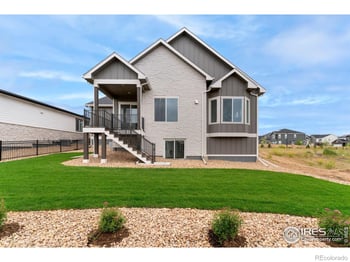
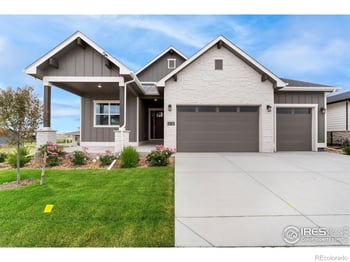
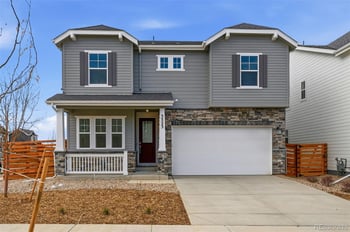
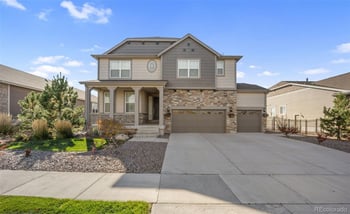
Aurora CO homes for sale make a lot of sense for equity-rich homebuyers who want to right-size without giving up the parts of the metro they still use every week—healthcare, parks, airport access, and straightforward driving routes. Aurora is big and spread out, so the “right” pocket depends on what you want close: the Anschutz Medical Campus/Fitzsimons area sits along I-225 and pairs well with the RTD R Line for a backup option when you don’t feel like driving, while homes nearer Cherry Creek State Park (off S Parker Road) lean into easy trails and open space that feel like a reset after a busy day. Farther southeast, Aurora Reservoir adds a different kind of weekend—water views, walking paths, and a little more breathing room—without leaving the city. The midlife and near-retirement sweet spot here is simple: single-level and lower-hassle home choices that keep healthcare, parks, and travel access in your regular routine. The trade-off is that Aurora’s size changes everything: the same “Aurora” address can mean very different drive times and traffic pinch points on I-225, so a quick time-of-day drive on your normal routes is worth doing before you commit. Scroll below to view current Aurora listings.

Latest Homes for Sale in Aurora CO

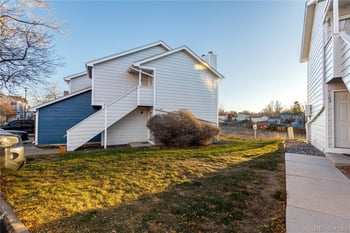
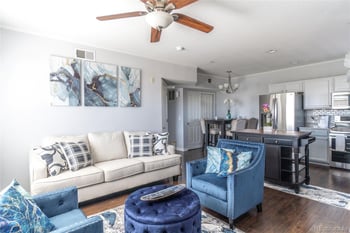
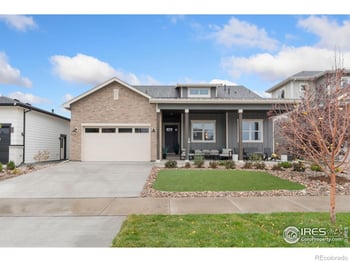
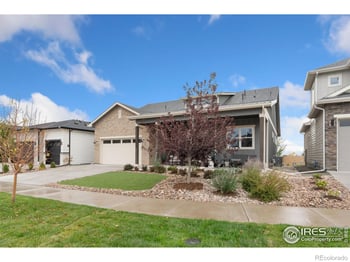
1887 Properties Found
Sort By:

Current Real Estate Statistics for Homes in Aurora, CO

1887
Homes Listed
43
Avg. Days on Site
$267
Avg. $ / Sq.Ft.
$482,747
Med. List Price

Aurora, CO Homes for Sale: Quick Field Notes (The Stuff That Changes Your Week)

Aurora is big enough that two homes with the same city name can still feel like two different weeks. These cards are the fast, buyer-native checks that keep Aurora real estate from surprising you after closing—especially if you’re aiming for simpler routines and lower-maintenance living.

If you only do two things: (1) confirm the address “rules layer” (county/HOA/special district) and (2) do one real weekday errand drive from the house. Those two steps usually reveal whether Aurora feels easy for you—or just looks good on paper.

Quick check
Aurora isn’t one set of rules

“Aurora” in a listing doesn’t always tell you what applies at that exact address. Two homes can look similar and still come with very different upkeep and monthly layers.

Do this first: Verify by address using the county assessor parcel search and the City of Aurora property/parcel lookup. Then confirm whether an HOA or special district is tied to the home before you tour twice.
Good fit
Errands should feel automatic

Aurora works best when your default stops are obvious—grocery, pharmacy, quick dinner—without turning into a long production every time.

Reality test: From the address, do a weekday midday drive and a weekday early-evening drive to your most likely hub (for many buyers that’s Southlands or Town Center at Aurora).
Trade-off
Reservoir life is real—if you go

Water access can be a genuine quality-of-life perk here, but only if it’s close enough to become a repeat habit—not an occasional plan.

Quick check: Confirm current entry/pass rules and hours for Aurora Reservoir, then try one visit at the time you’d actually go (early morning or early evening).
Watch for
“Low-maintenance” isn’t automatic

Two homes can both look tidy, but one expects weekend yard work and the other expects dues and rules. The better fit depends on what you want to carry long-term.

Quick check: If an HOA applies, ask early what’s actually covered (landscaping, snow, exterior, trash, insurance) and what’s still on you.
Week shaper
The Anschutz drive is the test

If healthcare access is part of your decision, “close” is about repeat trips—route feel, timing, and how calm the arrival is—more than miles on a map.

Reality test: Run your likely route to the Anschutz Medical Campus area at an appointment-like time (morning or mid-day), not just on a quiet weekend.
Quick check
Street routines you’ll actually feel

This is the small stuff that becomes weekly life: guest parking reality, street sweeping windows, and who clears what when snow shows up.

Quick check: Look up your street for Aurora street sweeping, then confirm snow responsibilities (city vs HOA) so you’re not guessing later.
Compare
If you want a tighter footprint

If Aurora starts to feel spread out for the week you want, it’s worth cross-shopping Centennial or Parker using the same checks.

Same test: Pick one address in each area and run the errands drive around 5 p.m., then confirm HOA/special district layers. Judge the week, not the photos.

Shortlist Checks (When You’re Down to a Few Homes)

Touring
Do a time-of-day drive-by

A street can feel completely different at 8 a.m. versus after dinner. You’re not judging “good” or “bad”—you’re checking whether the daily feel matches you.

Aurora Spans Three Counties: Why Two “Aurora” Addresses Can Feel Different

When you’re looking at Aurora homes for sale, it helps to know this up front: Aurora is one city, but it reaches into Arapahoe, Adams, and Douglas counties. That’s why “Aurora” on a listing is a starting point, not the full story. A lot of the details that shape a calm, predictable ownership experience live at the county and parcel level.

This isn’t about one side of town being “better.” It’s about avoiding the kind of surprise that shows up after closing—when you realize two homes that looked similar on paper don’t come with the same layers, the same record systems, or the same long-term expectations.

What usually changes when the county changes

  • Where the parcel “lives” officially. Your assessor records, parcel ID, subdivision recording details, and some of the paper trail you’ll rely on later can be housed in different county systems.
  • How you confirm the true costs and layers. County recording is often where you spot whether a home is sitting inside extra layers like a metro district, or whether there are HOA documents you want to read early.
  • Which office answers the “real-life” questions. When you need something official down the road—records, confirmations, and certain address-linked details—the right starting point can depend on the county tied to the parcel.

If you’re trying to simplify life—fewer surprises, fewer moving parts—this is one of the cleanest ways to shop Aurora real estate. You don’t need to turn it into a research project. You just want to confirm the basics early, so you’re comparing homes on real fit, not just finishes.

Two fast checks before you get attached

Confirm the county for the exact address. The City of Aurora’s Property Information map is a clean starting point because it shows county and parcel details in one place.

Ask what “layers” apply here. If a listing mentions an HOA or anything that sounds like a district, treat it like a normal due diligence item—request the documents early so you understand what’s covered and what isn’t.

Once you know the county and the address-level layers, Aurora starts to feel much easier to compare. You’re not guessing what you’re signing up for—you’re just choosing the week you want.

Before You Go on a Showing in Aurora: Get Clear on the Address Basics

A quick Aurora habit that keeps your search from getting messy: before you drive across town for a home tour, pull up the address on the City of Aurora Property Information map. Think of it as a “get your bearings” check. Your Realtor will confirm the official details during due diligence, but this helps you avoid going on showings for homes that were never going to fit what you’re trying to simplify into.

Aurora covers a lot of ground, and the name alone doesn’t tell you much about what follows a specific address. When you’re aiming for a low-maintenance move, the value here is simple: you start asking better questions earlier, and you waste less time.

What you’re looking for on the map

  • County — not because you’re finalizing anything yet, but because it keeps your research and questions pointed in the right direction.
  • Parcel ID — the clean way to make sure you’re talking about the exact property when you and your agent start verifying details.
  • Recorded subdivision — often the clue for whether there’s an HOA document package you’ll want to review once a home makes your shortlist.

Once a home feels like a real contender, two questions are worth flagging early so your Realtor can confirm them during due diligence: Is there an HOA here? and is there a metro district or similar district layer tied to this address? Those aren’t “fine print” details—they can shape your monthly predictability and how low-maintenance the home truly feels.

If you’re comparing a few different parts of Aurora, the Aurora Maps hub is useful to keep around. It’s the city’s main shelf for map tools, and it helps you stay consistent when you’re checking more than one address.

If Water Access Is Part of Your Plan: Aurora Reservoir Passes and Weekday Use

Aurora Reservoir is one of the few places in town where “getting outside” can be a normal weekday thing—walks, an easy bike ride, fishing time, or getting a kayak on the water without turning it into an all-day plan. The only question is whether it fits your week, from your address.

If you’re shopping Aurora real estate with an eye toward simpler routines and fewer “someday” projects, this is a good moment to be honest with yourself: will you actually go midweek, or will it be a once-in-a-while weekend idea?

When it becomes a habit
You’ll use it on weekdays

This is a real lifestyle benefit if you can picture yourself going on a random Tuesday—an early walk, a calm evening lap, a short fishing stop, or a quick paddle. If that sounds like you, living closer starts to matter.

When it stays occasional
You’ll talk about it more than go

If you already know weekdays are packed and weekends are your only window, reservoir access is still a nice perk—but it usually shouldn’t be the thing driving your home search. In that case, focus on the routines you’ll actually repeat.

The cost comfort check
Passes and add-ons

The City’s Aurora Reservoir passes page is the place to confirm what access costs right now—day passes versus an annual option, plus any water-related add-ons. If predictable monthly costs matter to you, this is worth checking early so it doesn’t feel like “another bill” later.

A practical way to decide: once you have a short list of homes, do one quick drive from each address at the time you’d actually go. If it feels easy to work into a normal week, it’s a real benefit. If you catch yourself negotiating with the drive in your head, you’ve got your answer.

And just to keep the roles clear: you’re not trying to “verify everything” yourself. This is about getting your bearings and asking smarter questions early. When a home becomes a contender, your Realtor can help confirm the official details and any rules tied to access.

The “Easy Evening Walk” Test: Quincy Reservoir and Low-Planning Outdoors

If outdoor time is part of why you’re looking at Aurora homes for sale, the question isn’t whether Aurora has places to go. It’s whether you’ll actually use one after a normal day, without having to plan around it. Quincy Reservoir is a good way to judge that, because it’s simple: you drive there, park, and take a walk.

Here’s the standard I’d use: if you can get there easily from your address and it feels easy to park and start walking, it will probably become part of your week. If you can already tell you’d only go “once in a while,” it’s still nice to have nearby, but it shouldn’t drive your home decision.

Try it at the time you’d really go

Once a home is on your short list, do one quick drive to Quincy Reservoir on a weekday early evening. You’re not trying to “prove” anything. You’re just checking whether this is easy enough to repeat.

Look for: simple drive, easy parking, and a walk that starts without hassle.
Check the pass/fee setup early

Quincy has an entry fee/pass structure, so it’s worth taking a quick look at the City’s Quincy Reservoir entry fees page. If predictable costs matter to you, this is a simple “does this feel worth it for how I live?” check.

Your Realtor can confirm current details later—this is just a quick comfort check for your budget.
Compare Quincy the same way as the others

Aurora keeps reservoir information grouped on the City reservoirs hub. If you’re also considering Aurora Reservoir, use the same “weekday drive + parking + cost comfort” approach so you’re comparing real routine, not a nice idea.

The address decides which one you’ll actually use.

The decision here is straightforward: from this address, is Quincy easy enough that you’ll use it midweek? If yes, it’s a real lifestyle fit. If not, it’s still a nice option to have nearby, but it shouldn’t steer your home search.

HOA or Not in Aurora? Find Out Early and Know What to Ask For

In Aurora, HOA rules can change how a home feels to own. Sometimes it’s helpful—less exterior work, a cleaner “set it and forget it” setup. Other times it’s just rules and fees. Either way, the goal is simple: know what you’re signing up for before you get attached to a house.

The City’s Aurora HOAs ArcGIS map is a good early clue when you’re comparing homes in different parts of town. Treat it as a fast “flag it now” check before a home tour. Then, once a home is a real contender, your Realtor can confirm the official details and pull the right documents tied to that specific community.

Step one: is there an HOA at this address?

If you’re trying to downsize into something predictable, this is worth knowing early. The City’s HOA map can help you spot whether an HOA is likely part of the picture, especially when the listing details are vague.

Keep it simple: flag the question now, confirm it with your Realtor during due diligence.
The question that matters: what do I stop doing?

HOA “coverage” is where Aurora varies a lot. Some places are mostly rules and enforcement. Other communities handle parts of exterior upkeep. Instead of guessing, ask it in normal language: “What do I stop doing because the HOA handles it?” and “What’s still on me?”

If low-maintenance is the goal, this answer matters more than the monthly number.
What to pull once the home is a contender

When you’re past the “curious” stage and the home is one you might write on, have your Realtor pull the HOA document package and focus on the parts that affect day-to-day life: parking rules, pets, exterior changes, rental limits, and any approvals that could slow you down later.

Two good questions to ask every time: “Do they have reserves?” and “What’s the assessment history?”

Quick reality check: HOA stories online can be entertaining, but they’re most useful as prompts for better questions. In Aurora, the only thing you can rely on is what’s written for that exact community and what your Realtor can confirm during due diligence.

Metro Districts in Aurora: A Quick Check Before You Go on a Showing

If you’re shopping newer parts of Aurora, you’ll run into metro districts from time to time. It’s not something to panic about, and it’s not something to ignore. It’s just one of those “know it early” items because it can change what shows up on the tax side for that address.

The good news is Aurora makes the first part straightforward: you can check the boundary on the City’s metro districts map. Once a home is on your short list, your Realtor can help you confirm what the county records and community disclosures say for that specific address.

Start with the map boundary

When you’re comparing a few homes, it helps to know whether a metro district is even part of the picture. Aurora’s map is a fast way to flag that early, before you invest time in multiple home tours.

Then ask yourself two questions

Once a home is a contender, keep it simple and confirm the basics: (1) what the county tax record shows for this address, and (2) what the community disclosures say about current obligations. You’re not trying to become a finance expert—you’re just making sure the monthly picture matches what you want long-term.

This is the “keep surprises out of closing week” check.
Use the dataset when you want a clean reference

If you like comparing addresses with fewer unknowns, Aurora also publishes the metro districts dataset. It’s handy when you’re trying to keep your notes consistent across different parts of the city and you want to double-check what the map is showing.

You’ll see people online talk about “surprise” metro district costs, especially on newer builds. Treat that as a reason to verify early—not as a conclusion. For your decision, the only thing that matters is what the county records and disclosures say for this address.

Street Sweeping and Snow Days in Aurora: The Quiet Rules That Change Parking and Routine

Aurora has a couple of quiet rules that don’t sound exciting, but they show up in real life once you’re settled in. They’re the kind of things that can be mildly annoying if you didn’t see them coming—mainly street sweeping (where you park) and snow cleanup (who’s responsible for what after a storm).

Street sweeping: when curb parking matters

On some streets, sweeping changes where you can park on certain days. If you’re looking at a home with tight curb space, lots of on-street parking, or family visiting often, it’s worth knowing the schedule tied to that street.

Good to know early: check the sweeping route for the address you’re considering so you can picture the routine.

Snow days: who clears what near your home

Aurora isn’t snowing every week, but when it does, the responsibilities are specific—and they affect how easy it is to get in and out for a couple of days. This matters if you’re aiming for low-maintenance living or you travel and don’t want last-minute chores.

Good to clarify: what the City expects for snow removal, and what (if anything) your HOA says it covers.

Being “Close to Anschutz” in Aurora: What That Means on Appointment Days

In Aurora, “close to Anschutz” usually means you’re talking about the CU Anschutz Medical Campus area—where Children’s Hospital Colorado (Anschutz) and UCHealth University of Colorado Hospital sit close together. If regular appointments are part of your life (for you or family), the practical question isn’t the mileage. It’s whether the trip feels manageable at the times you’ll actually be going.

Early morning appointments
This is when “close” matters most. The real test is whether leaving home, parking, and getting to the building feels straightforward.
Midday visits and quick errands
This is where routine shows up: where you park, how far you’re walking, and whether you’d be comfortable doing it regularly.
Late afternoon pickups
If you expect repeat visits, try the drive at the time you’d normally be coming back home. It’s a good check on how the route feels when you’re tired.
A practical way to judge it: pick your most likely appointment time, do one drive that matches it, and decide if you’d be comfortable repeating that trip often.
What to check once a home is on your short list
  • Confirm the exact destination: CU Anschutz Medical Campus, Children’s Hospital Colorado (Anschutz), and UCHealth University of Colorado Hospital are clustered, but your building matters for arrival and walking distance.
  • Look at visitor parking guidance: it helps you understand where visitor lots/garages are and what “arrival” realistically looks like.
  • Do one time-of-day drive: if this is a major reason you’re choosing Aurora, test the route when you’d normally go so you’re deciding based on real routine, not best-case timing.
Parking and access can vary by clinic and time of day. If this is a key driver for your move, it’s reasonable to confirm parking options for your most likely destination before you schedule a full day of showings.

One-Level Living in Aurora: How to Spot True Main-Floor Living Before a Showing

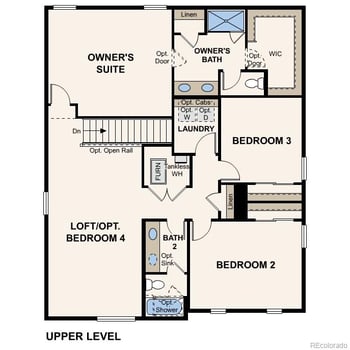
If you’re shopping Aurora with “main-floor living” in mind, it helps to be a little specific. Some homes really do let you sleep, shower, do laundry, and get to the garage without stairs. Others look simple from the outside, then you walk in and the steps are part of everyday life. This is just about filtering smarter so your showings match how you actually want to live.

Usually a true fit
  • Primary bedroom and a full bath clearly on the main level
  • Laundry on the main level (or an obvious, realistic place for it)
  • Your daily path stays simple: kitchen → living area → bedroom → garage without stairs
  • Entry/garage access feels workable for you (even if there’s a small step—just know what you’re choosing)
Often stairs are part of it
  • You enter and immediately go “up a few” or “down a few”
  • The primary is upstairs, while the main level is mostly kitchen/living
  • Laundry is downstairs or on a lower level (fine for some, not for others)
  • Garage entry drops you into a lower level and steps become part of the daily pattern
Three questions worth asking before you book a showing
1) Is the primary, a full bath, and laundry all on the main floor?
This is the fastest way to avoid a showing that was never going to fit. If the answer is vague, it usually means stairs are involved somewhere that matters.
2) What recorded subdivision is the address in?
In Aurora, the recorded subdivision is a clean way to keep the “which rules apply here?” conversation grounded—especially when two homes are described similarly.
3) If there’s an HOA, what exterior work is still on you?
“Low maintenance” can mean very different things. You don’t have to solve it alone upfront—this is usually confirmed later with your Realtor during due diligence— but it’s worth flagging early so it doesn’t surprise you.

Street Feel on a Home Tour: Lighting, Speeding, Parking Overflow, and Noise (Buyer-Safe)

A home can look perfect in photos and still feel “off” once you’re standing on the sidewalk. This isn’t about calling any area good or bad. It’s about doing a few quick checks that help you avoid small, repeatable surprises—street parking that’s always tight, a cut-through that runs faster than you expected, or a block that’s louder at the exact times you’re usually home.

The “three short visits” plan
1) Late afternoon on a weekday
You’ll usually catch the busiest “normal” window—cars coming and going, kids getting home, quick errands, people walking dogs. It’s the easiest time to see if the street stays calm or feels like a shortcut.
2) After dark (even just 10 minutes)
This is where lighting and “how it feels to pull into the driveway” becomes clear. You’re not judging an area—you’re checking what you’ll personally be comfortable with on a regular night.
3) Weekend late morning
This is when you’ll notice overflow parking, guest traffic, and whether the block is quiet or active. It’s also a good time to see where people actually park when driveways are full.
What to look for (and why it matters)
Lighting and sightlines
Stand where you’ll park and walk to the door. If it feels dim to you, that’s useful information now—not later. Bring it up during due diligence if you move forward, especially if exterior lighting is HOA-controlled.
Speeding and cut-through patterns
Watch how cars actually move. One or two fast drivers happens everywhere. A steady stream using the block as a shortcut is a different day-to-day feel—especially if you’re walking in the evenings.
Parking overflow (driveways vs curb space)
If you’ll rely on street parking for guests—or you have a household with multiple cars—notice where the “extra” cars land. In Aurora, street sweeping schedules can also affect street-parking comfort, so it’s worth checking the map for that address.
Noise you can repeat-check
Don’t try to solve every noise question in one visit. Just re-check at two different times. If you’re sensitive to sound, stand in the backyard and near the front door—those two spots tell you the most.
If you like the home but something on the street gives you pause, that’s not a deal-breaker—it’s a prompt. This is exactly the kind of thing you flag early, then confirm during your normal inspection/due-diligence conversations.

Cross-Shopping Aurora: When It’s Smart to Compare Centennial or Parker Before You Commit

Aurora covers a lot of ground, and that’s both the upside and the thing that trips people up. Two homes can both say “Aurora” and still live totally differently once you’re running errands, heading to appointments, or trying to squeeze in a simple evening outside. If you keep feeling torn, it’s usually not indecision—it’s your brain telling you to compare the weekly routine, not just the house.

A quick way to tell if you should cross-shop
Aurora usually fits you if…
you like having a few different “versions” of town to choose from and you’re comfortable narrowing it down by routine—where you’ll actually shop most weeks (Southlands is a common example on the southeast side) and whether reservoir access (Aurora Reservoir or Quincy Reservoir) is something you’ll truly use midweek.
Cross-shop Centennial if…
you keep saying, “I just want my week to feel simpler,” and you find yourself prioritizing a tighter daily radius—predictable errands, straightforward driving, and fewer “which side of town am I on today?” decisions.
This isn’t a winner/loser call. It’s a fit check so you don’t force the wrong week onto the right house.
Cross-shop Parker if…
you keep leaning toward more breathing room and you’re okay trading some quick “in-and-out” convenience for a day-to-day setup that feels a bit more spread out. If that sounds familiar, comparing a couple of homes on each side can save you from second-guessing later.
Same rule: the address matters more than the label. Your Realtor can help you confirm the details once you’re narrowing options.
Two questions that usually settle it
What are you truly optimizing for?
Errands ease (think: where you’ll default for groceries, pharmacy, quick dinners), outdoors access you’ll actually use (reservoir passes only matter if you go), or overall predictability with fewer moving parts in your day?
What trade-off won’t bother you later?
Every area gives you something and asks something back. The goal isn’t “perfect”—it’s picking the trade-off you won’t resent once the move is no longer new. When you get close, this is a good conversation to have with your Realtor so the short list stays realistic.

Aurora Homebuyer FAQs (The Stuff People Ask Before They Spend Weekends on Showings)

These are the common “wait—how does this work in Aurora?” questions. A good Realtor will confirm the details during due diligence, but these quick checks help you avoid obvious mismatches early—before you build your week around home tours.

Why does it matter which county an Aurora home is in?
Aurora spans multiple counties, and that can change the “behind-the-scenes” systems tied to the address—things like property tax billing, some service districts, and which school district tools you’ll need to verify by address. The fastest move is to confirm the county and parcel details up front, then let your Realtor verify anything that touches disclosures and fees.
Before I book a showing, what can I confirm by address in two minutes?
In Aurora, a quick address check can tell you basics that prevent wasted trips—county, parcel details, and the recorded subdivision name. It won’t replace your Realtor’s due diligence, but it helps you keep neighborhoods and community names straight while you’re shortlisting homes.
How do I find out if there’s an HOA—and what should I ask for?
Start by confirming whether the address sits inside an HOA boundary, then treat the documents as the real story. The questions that usually matter most for low-maintenance living are: what exterior work is covered, what rules affect your day-to-day, and whether the HOA finances look steady (budget, reserves, and any recent special assessments).
What’s a metro district, and why do Aurora buyers try to spot it early?
A metro district is a separate local taxing district that’s common in some newer areas. It’s not “good” or “bad,” but it can affect the predictability of monthly ownership costs, so buyers like to know it’s in play before they get attached to a house. Your Realtor can confirm the disclosures and what’s billed for that address; your job early on is simply to identify whether the boundary applies.
If water access is part of your plan, will Aurora Reservoir really become a weekly habit?
The honest test is midweek use. If you can picture a quick after-work walk, a calm morning loop, or a short paddle without turning it into a whole production, it tends to stick. If it only sounds good for “someday weekends,” it usually becomes occasional. Pass options and access rules can change, so it’s worth checking the city’s current pass info before you build it into your routine.
Is Quincy Reservoir realistic for an easy evening walk?
Quincy can be an “easy yes” if you’re close enough that it feels like a normal stop, not a special trip. What buyers often underestimate is the little friction: fees/pass rules, parking when it’s busy, and whether the route from your address stays comfortable at the times you’d actually go.
How do street sweeping and snow days change parking and routines?
Street sweeping sounds minor until it’s your street and you’re figuring out where the car goes that day. Snow is similar: the responsibilities around sidewalks and driveways can change depending on the setup (single-family, townhome, HOA-maintained). The city tools below help you confirm what applies to your address and your block.
What’s a buyer-safe way to check “street feel” without turning it into rumor?
Use neutral checks you can repeat: drive the block at the times you’d actually come and go (late afternoon, evening, a weekend window), and pay attention to lighting, speeding, parking overflow, and steady noise sources. If you want data, stick to official dashboards where you can filter by location and time range—then let your Realtor help you interpret what matters for your comfort.
I need one-level living—how do I verify it during a home tour?
Don’t rely on the vibe of the photos. On the tour, confirm the simple, practical pieces: can you get from the garage to the kitchen without stairs, is the primary bedroom truly on the main floor, and where the laundry lives. Split-levels can feel “mostly” one-level until you’re carrying groceries or thinking about mobility later. If you’re unsure, ask your Realtor for a floorplan sketch or clarification before you schedule the next round of showings.
What's your home worth?
Have a top local Realtor give you a FREE Comparative Market Analysis
Hear From Happy Homeowners
See how we've helped others achieve their real estate goals.
280 reviews on