Arvada homes for sale cover a wide stretch of West Metro living, but most people end up describing it by what their week looks like: Olde Town nights, trail time, and how fast they can get into Denver when they need to. Olde Town Arvada is the obvious center of gravity—restaurants, patios, local events, and the RTD G Line station all sitting close together—so it’s easy to do an evening out without committing to a long drive or a downtown parking situation. Outside the core, life spreads along familiar corridors like Wadsworth and Kipling, with pockets that feel very different from one another depending on how close you are to I-70, schools, and the parks stitched together by the Ralston Creek Trail. Midweek, the simple payoff is this: you can keep a neighborhood feel while staying plugged into Denver and the foothills. The trade-off is that Arvada is not one uniform experience—homes near major roads can feel louder, and a lot of the older streets come with the normal “older Colorado house” reality where updates and inspections matter. Scroll below to view current Arvada listings.
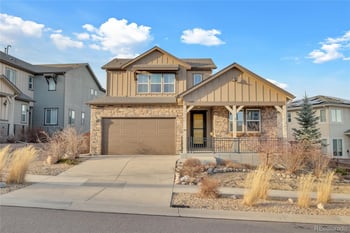
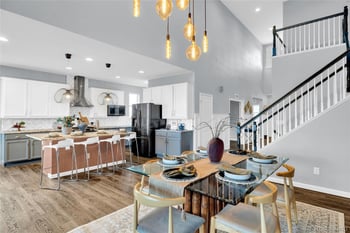


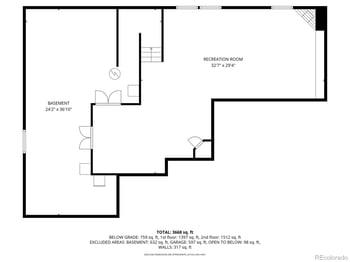
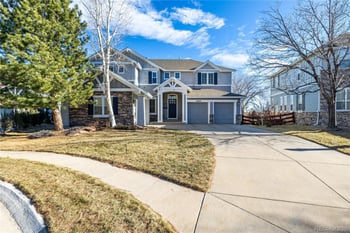











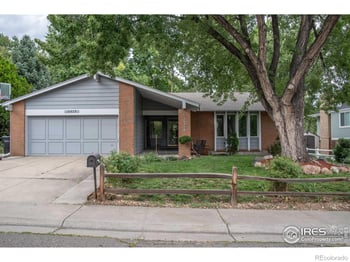


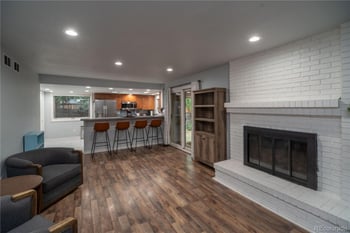


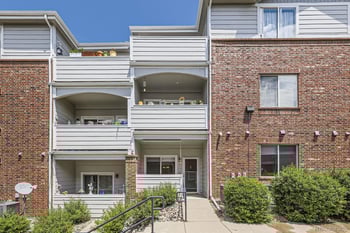
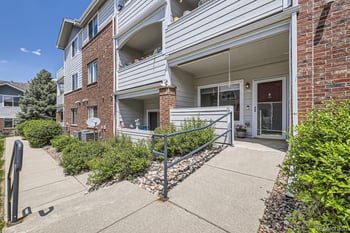





If you like the idea of dinner, a show, or coffee without making it a “Denver trip,” the Olde Town pocket changes how your week feels. The trade-off is occasional event energy and parking pressure—worth checking in person if quiet evenings are non-negotiable.
Being near the Olde Town Arvada, Arvada Ridge, or Ward Road stations gives you a real alternative to driving for downtown plans. If this is a deciding factor, do one weekday test ride and pay attention to timing and station parking habits—that’s what makes it feel usable.
Arvada gives you multiple “easy living” lanes—mid-century ranch pockets, newer paired/patio-style homes, and some townhomes with main-floor primaries. If you’re planning ahead, start your search with single-level or main-floor primary layouts, then compare how much upkeep is owner-managed versus HOA-handled.
The Ralston Creek and Van Bibber Creek trail systems (plus the Clear Creek path nearby) can turn a “maybe I’ll walk” idea into a daily habit. If you want to actually use trails mid-week, shop with proximity in mind, then tour around the time you’d realistically walk.
If you’re drawn to bigger skies and open-space edges, the west side delivers a calmer feel and quick access to foothills drives. The trade-off is you’ll want a more deliberate “ownership mindset” about winter exposure, wind, and open-space adjacency—especially for lock-and-leave plans.
The Arvada Center is one of those quality-of-life features that can become a normal weeknight option, not a special-occasion plan. If you want a town that supports staying active over time, this is a meaningful “daily life” signal.
West Woods isn’t just a course—it influences the feel of nearby streets and how quiet evenings tend to be. If golf access matters (even casually), it’s worth filtering your search around that west-side pocket to see how it compares to more central neighborhoods.
“Low-maintenance” only counts if snow and exterior upkeep are truly covered. Before you fall in love with a layout, confirm who clears sidewalks and driveways, and whether the HOA covers any exterior work or just landscaping.
Two homes can look similar on paper and feel totally different in winter. Check driveway slope, where shade sits in the morning, and how easily you can get in and out after a storm—especially if you’re planning to travel or be away for stretches.
If you’re shopping rail-adjacent, don’t stop at “it’s close to a station.” Do a weekday check at the time you’d actually leave the house, and decide whether you’re buying for weekly use or simply for backup flexibility.
Backing to open space can be a dream setup, but it comes with extra diligence: vegetation management expectations, exterior materials, and what upgrades you’d want to plan over time. If this is your goal, bring a short checklist and get clear answers early.
If the Standley Lake area is part of your vision, confirm what “lake access” really means: it’s a managed setting with specific use rules and seasonal realities. Tour it once, then decide if it matches the kind of outdoor time you actually want.
For long-term value, school boundaries still shape buyer demand later. If you’re planning to stay a long time, it’s worth verifying how your address reads inside Jeffco and whether the neighborhood feels stable for future resale.
Proximity to Wadsworth or I-70 can matter more than buyers expect, and it changes block by block. A quick visit at two different times of day (including a weekday late afternoon) will tell you more than any listing description.
Arvada is one of those places that feels practical in a way you notice quickly. You can grab dinner in Olde Town, catch a show at the Arvada Center, and still be home without it turning into a whole “city night.” Depending on where you land, you may also find yourself using the Ralston Creek Trail or Van Bibber Creek Trail as your default walk—the kind of thing that makes a normal weekday feel a little more Colorado.
The biggest thing to know is that Arvada doesn’t live like one uniform town. Around Olde Town and the G Line stations (Olde Town Arvada, Arvada Ridge, and the Ward Road stop), the area feels more connected and “out-and-about” when the weather is nice. In the more residential pockets, your daily life is shaped by how you move: whether Wadsworth, Kipling, I-70, or US-36 is the route you naturally end up using, and how close you are to the places you’ll actually return to again and again.
From a homes-for-sale standpoint, that difference matters more than buyers expect. Two houses can be close on a map and still feel different because of driveway slope after a snow, weekend activity near Olde Town, or how easily you can get in and out for errands without fighting stoplights every single time. If you’re equity-rich and right-sizing, this is the real decision: you’re not just buying square footage—you’re buying how easy it is to live there when you’re tired, when it’s cold, and when you want your week to feel simple.
The smartest way to shop Arvada real estate is to tour it like you already live here. Do one ordinary run: grocery, pharmacy, coffee, and back home. Then do a second pass at a weekday late-afternoon time, when traffic and parking habits are more honest. If commuter rail is part of why you’re looking, do one G Line trip to see whether it feels like something you’ll truly use or just like having as a backup.
A few “buyer-protective” checks belong early in your process, even before you fall in love with a kitchen. For schools, Arvada sits in Jeffco Public Schools—boundaries and choice enrollment can shape resale demand later, even if you’re not planning around pickups. For safety, don’t rely on vibe alone; check what the Arvada Police Department publishes and look at the specific blocks you’re touring. And for long-term value, pay attention to the stuff that holds up over time in this market: access to Olde Town and rail, established streets that feel livable, and layouts that support main-floor living without making the house feel “small.”
If you want a walkable night-out default, keep your search closer to Olde Town and the station areas. If you want quieter streets and more of a “home base” feel, look farther from the activity and pay closer attention to your day-to-day routes. And if you’re right-sizing, start with the filters that actually cha
This is the part most buyers miss at first: Arvada isn’t a single experience. The homes may look similar across town, but daily life changes depending on whether you’re close to Olde Town, near a G Line station, tucked into a quieter residential pocket, or sitting closer to the west-side open space. If you start by choosing your “base,” the Arvada homes for sale you tour will make a lot more sense—and you’re far less likely to buy a place that looks great but lives wrong.
Ask yourself what you want to be “close to” on a random weeknight: a walkable dinner and an event calendar, an easy train option to downtown, quick highway access for family and appointments, or quieter streets where your home feels like a reset. That one answer usually tells you where your search should start.
If you want a place where dinner, coffee, and weekend strolling can happen without planning, start near Olde Town and the Arvada Center area. You’ll get more of a social, out-and-about feel when the weather is good. The trade-off is simple: you’ll want to pay attention to parking and event spillover, especially if you value quiet evenings more than activity nearby.
Search tip: Start with “homes near Olde Town Arvada,” then narrow by how close you want to be to the action versus how quiet you want your street to feel.
If you like the idea of a real alternative to driving—whether you use it weekly or just want it available—rail-adjacent searches are their own category. The station areas can feel more connected to downtown plans and easier for visiting friends or family who don’t want to navigate Denver traffic. The important part is not the label “near a station,” but whether the timing, parking habits, and your usual schedule make it feel usable.
Search tip: Filter for “near Olde Town Arvada Station” or “near Arvada Ridge Station,” then do one weekday test run at the hour you’d realistically leave the house.
Many buyers end up happiest in the quieter middle ground: established streets, a short drive to Olde Town when you want it, and predictable access via routes like Wadsworth or Kipling when you need to get somewhere. This is where the “normal week” matters most—grocery runs, a quick pharmacy stop, and getting home without feeling like every trip is a production.
Search tip: Run your real errand route twice—once mid-day and once late afternoon—then decide if the stoplight pattern feels fine or quietly annoying.
If you’re drawn to a calmer feel, bigger skies, and quick access toward Golden and foothills drives, west Arvada often fits. You’ll also find lifestyle lanes tied to places like West Woods and open-space proximity. The trade-off is practical: pay closer attention to winter exposure, driveway slope, and what “backing to open space” means for maintenance expectations over time.
Search tip: If you want low-maintenance living out here, filter first for “main-floor primary” or “single-story,” then verify what the HOA truly covers (snow and exterior upkeep are the difference-makers).
Even if you’ll never use the schools, future buyers will. When you narrow your Arvada home search, it’s worth checking the official Jeffco assignment tools and understanding choice enrollment basics so you know how your address will read later.
For equity-rich right-sizers, the comfort question is usually, “How hard is it to get where I need to go?” Test the routes you’ll actually use: major care, the grocery you’d pick, and the drive to visit family. Arvada rewards buyers who shop by time-of-day, not just by map pin.
Arvada is not a “one-number” story. The useful approach is simple: look up what official sources publish, then walk or drive the specific blocks you’re considering at two different times. That’s how you match the vibe you want with the street you’re actually buying.
Helpful official starting points for due diligence: RTD, City of Arvada, Jeffco Public Schools, Arvada Police Department.
When people say Arvada is “convenient,” they usually mean one of two things: either they can get into Denver without it feeling like a whole production, or they can run normal errands without fighting their own neighborhood every time they leave the driveway. The key is that Arvada doesn’t drive the same everywhere. Your week changes depending on which roads you naturally use—Wadsworth, Kipling, I-70, US-36—and whether the G Line is a real option for you or simply nice to have in your back pocket.
The biggest difference is whether you’re relying on driving every time, or you have a realistic rail option. If you’re near the G Line stations (Olde Town Arvada, Arvada Ridge, Ward Road), you may be able to skip some of the most annoying drives for downtown plans. The right way to judge this isn’t a map pin. It’s a weekday test at the time you’d actually go.
Real-life check: Do one weekday late-afternoon drive on the route you’d normally use (Wadsworth or Kipling toward I-70/US-36), and do one G Line trip. After that, you’ll know which “convenient” version you’re buying into.
For a lot of buyers—especially 55+ right-sizers—“convenient” means something simple: groceries, appointments, and a few go-to places that don’t require a traffic strategy. In Arvada, that’s why your “base” choice matters. Some areas make quick errands feel smooth; other pockets add small friction you notice over time.
Real-life check: Pick one normal run (grocery + pharmacy + coffee) and do it once mid-day, then once around weekday late afternoon. If it feels smooth both times, you’re not guessing about your day-to-day life.
This also ties into long-term value in a simple, evergreen way: Arvada real estate tends to hold demand best when the location is easy to use (errands and routes feel simple) and the home itself lives easy (layout and upkeep don’t become a burden).
Even if schools don’t affect your daily routine, they can affect who wants to buy later. As you narrow down Arvada homes for sale, verify the Jeffco assignment details for the addresses you’re serious about.
If “I want to feel good about walking at night” is part of your decision, treat it like a practical check: review official reporting, then walk the blocks you’re considering. That’s the most honest way to match the street to your comfort level.
Official references to plan and verify: RTD G Line, City of Arvada, COtrip (CDOT traffic).
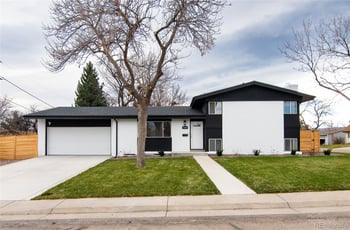
One reason Arvada real estate is hard to summarize is that the housing doesn’t feel uniform. You can tour two homes ten minutes apart and feel like you’re in two different versions of the same city. Some buyers fall for older streets with mature trees and real variety. Others want newer builds in west Arvada where trails and open space are part of the everyday draw. Neither is “better.” They just come with different trade-offs, and it helps to know what you’re signing up for before you fall in love with a floor plan.
You’ll usually gravitate toward older pockets closer to Olde Town and the built-out parts of Arvada where the street feels settled and the homes have more variety from block to block.
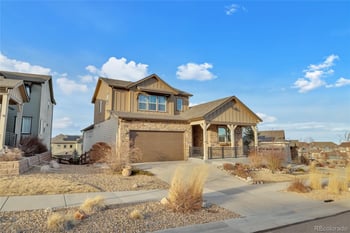
West Arvada communities like Candelas are built around trails, views, and a more planned setup. This is the direction many 55+ buyers look when they want “newer + easier” without feeling isolated from the metro.
Areas near West Woods Golf Club have a distinct feel. Even if you don’t golf, the scenery and layout can be a big quality-of-life factor when you’re comparing Arvada homes for sale.
Here’s the honest version of what shows up during tours—the stuff buyers talk about after they’ve walked a few houses and started noticing patterns.
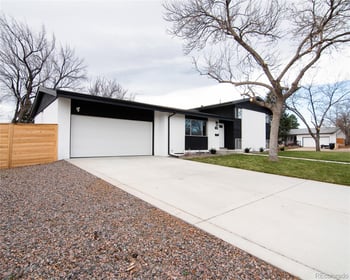
In older parts of Arvada, you’re often buying into street feel and individuality. Some pockets are known for mid-century design (Alta Vista is one name that comes up), and even when the style varies, the larger theme is the same: these areas feel lived-in, not manufactured.
Blocks with mature trees, homes that don’t all look the same, and a sense that the neighborhood grew up naturally over time.
Ask what’s been updated—roof, electrical, plumbing, windows, and sewer line—and also check the “daily comfort” details: entry steps, shower setup, and whether the main level can truly support long-term living without relying on stairs.
Candelas is one of the defining west Arvada communities and is described as a large master-planned neighborhood. The lifestyle tends to center on newer construction, planned parks, and easy access to outdoor space.
A newer-home feel, trails you’ll actually use, and a community layout where weekend walks and views are part of the normal routine.
Confirm how the community is governed (HOA and/or metro district), what exterior changes are allowed, and how landscaping and snow removal responsibilities are handled. “Newer” can be easier, but only if the rules and maintenance expectations fit how you want to live.
In the Leyden Rock area, you’re closer to the foothills and open space, which is exactly why many buyers look there. The practical side is that you should treat wildfire readiness like normal due diligence, the same way you’d treat roof age or drainage.
West Woods Golf Club is a major west Arvada feature, and the City describes it as a 27-hole public course. If you’re buying nearby, the setting can be a big lifestyle win—especially for equity-rich buyers who want beauty close to home without needing a second residence.
Views, a quieter feel on some streets, and a “weekend hobby” right down the road.
Ask what “golf ball reality” looks like on that specific lot, and whether the seller has taken protective steps (windows, screens, landscaping). It’s not a reason to avoid the area—it’s just part of being clear-eyed.
The long-term value logic here is simple and evergreen: Arvada homes tend to stay appealing when they match how people want to live—either the established, close-in setup that stays convenient, or west Arvada living where open space is a major part of the draw. If you know which “version of Arvada” fits you, your home search gets easier, and your decision usually feels more confident.
Helpful official sources for due diligence: West Woods Golf Club (City of Arvada), Candelas community site, Leyden Rock Metropolitan District, Arvada Fire: Free wildfire assessment, City of Arvada: Open space wildfire mitigation, Colorado State Forest Service: defensible space zones.
One reason Arvada real estate holds attention with 55+ right-sizers is that you don’t have to “plan a whole day” to get outside. A lot of the best outdoor time here happens in smaller, repeatable ways: a walk after dinner, a quick reset before meeting a friend in Olde Town, or a weekend morning that starts on a trail instead of in traffic. When you’re comparing Arvada homes for sale, outdoor access isn’t just a nice feature—it’s part of how easy your week feels.
The Ralston Creek and Van Bibber Creek trail systems are the kind of outdoor access that changes habits. If you want a place where walking becomes the default, not the exception, it’s worth narrowing your Arvada home search to areas where you can get onto a trail without getting in the car first.
Most people don’t expect a true wildlife refuge inside the city, but Two Ponds is exactly that. It’s a good “short reset” place—especially for buyers who want outdoor time that feels calm and close, not like a drive-and-park project.
Majestic View is the kind of place locals use because it’s easy. You can fit it into a weekday without negotiating traffic or committing half your day. If your idea of “outdoors” is a regular walk, birdwatching, or a simple nature break, this is a practical reference point when you’re shopping Arvada real estate.
If you’re drawn to north/west Arvada because you want “lake time,” Standley Lake can absolutely be part of your routine—but it’s a managed, rule-driven place. It’s not a casual swim-and-wade setup, and some water activities are seasonal or restricted, so it’s worth checking the posted rules once before you build your lifestyle plan around it.
If outdoor access is part of why you’re looking at Arvada homes for sale, don’t just tour the house. Tour the habit.
Official sources that help you verify trails and rules before you commit: City of Arvada Trails, Two Ponds National Wildlife Refuge, Standley Lake Regional Park (Jeffco).
If you’re looking at Arvada homes for sale because you want life to feel simpler (not smaller), you’re in good company. A lot of buyers here aren’t trying to “upgrade” in the usual sense—they’re trying to land in a place that’s comfortable in winter, practical for errands, and set up for main-floor living without thinking about it every day. In Arvada real estate, the win usually comes down to a few unglamorous details that matter more than countertops once you’ve lived in the house for a season.
The most “easy living” setups in Arvada usually share the same theme: single-story living, or at least a main-floor primary that doesn’t make daily routines feel like a staircase plan. When you’re browsing Arvada real estate listings, filtering for “single-story” or “main-floor primary” is one of the fastest ways to get closer to the homes that actually match a right-sizing goal.
In Arvada, “low maintenance” can mean a small yard you still manage yourself, or an HOA setup where exterior work and snow handling are organized. Those are very different lives. Before you assume, treat the HOA notes like a contract and confirm what’s truly covered—especially snow, landscaping, and exterior responsibilities.
Two homes can look identical online and still feel totally different in January. Driveway slope, morning shade, and how exposed the sidewalk is can quietly decide whether winter feels manageable or annoying. When you tour, pause at the driveway and front walk for a full minute and picture a fresh snow—you’ll learn more than you will from the listing photos.
Right-sizing doesn’t mean location stops mattering—it usually means they matter more. Some buyers want to be close enough to Olde Town that a weeknight dinner feels easy. Others want quieter streets and are happy driving a bit more. Either way, pay attention to the routes you’ll actually use: Wadsworth, Kipling, I-70, US-36, and the G Line station areas can change how simple your week feels.
If you want this move to feel like a relief, not a new set of chores, focus on the few filters that change day-to-day life the most:
Two final notes that protect long-term value without turning this into a spreadsheet. First, schools still influence future buyer demand even if they don’t affect your daily routine, so it’s worth verifying the Jeffco assignment details for any short-list neighborhood. Second, safety is best evaluated at the block level: check what official sources publish, then walk or drive the specific streets you’re considering at two different times. That combination—livable layout, predictable upkeep, comfortable routes, and a street you feel good about—is what tends to hold up over time in Arvada real estate.
A lot of people looking at Arvada homes for sale aren’t trying to “start over.” They’re trying to set up the next chapter so daily life feels easier: fewer chores that turn into projects, fewer long drives for basic appointments, and routines that keep you moving without needing a pep talk. In Arvada, that usually comes down to two practical questions—where you’ll realistically stay active, and how quickly you can get care when you need it.
If you’re right-sizing (or simply planning ahead), this is where the home itself matters just as much as the location. A layout that lives well on one level, an entry you won’t dread in snow, and a simple drive to everyday services all add up. When you’re comparing Arvada real estate options, it’s worth checking this side of life as seriously as you check the kitchen.
You don’t need a giant list of providers to shop Arvada homes. You just want a simple plan: where you’d go for a true emergency, where you’d go for something urgent-but-not-life-threatening, and which route you’d take without stress.
Many Arvada residents keep nearby options in mind like UCHealth Emergency Room – Arvada (Freestanding), plus full hospitals in the west metro such as Intermountain Health Lutheran Hospital (Wheat Ridge) and St. Anthony Hospital (Lakewood). The “best” choice depends on where you’ll live and which roads you naturally use, so treat this like a location check, not a branding decision.
Homes in Arvada tend to stay appealing across life stages when two things are true: the location is easy to use (errands, appointments, and getting around don’t feel like work), and the home itself lives easy (layout and upkeep don’t become a burden). Even if you’re putting down a large down payment, that “ease factor” keeps your options open later.
Helpful official sources to verify details: Apex Active Adult Programs, Apex Community Recreation Center, UCHealth Emergency Room – Arvada, Intermountain Health Lutheran Hospital, St. Anthony Hospital (CommonSpirit).
Arvada is pretty easy to like, which is exactly why buyers sometimes skip the boring checks until after they’re attached to a house. The goal here isn’t to make you paranoid. It’s to help you shop Arvada homes with fewer “oh… I didn’t think about that” moments—especially if you’re aiming for a move that feels simpler and more predictable.
The surprises in Arvada real estate usually come from practical things: winter responsibility (sidewalks and driveways), how close you are to busy routes like Wadsworth or Kipling, what “near open space” can mean for upkeep over time, and whether the street still feels comfortable when you visit at real-life hours. None of this is complicated. It just needs to be checked on purpose.
If you do these checks early, the Arvada homes for sale you tour get easier to compare. You’re not just looking at finishes. You’re looking at a day-to-day setup that matches how you actually want to live.
In Arvada, sidewalks are the property owner’s responsibility, and the city code requires snow, ice, and slush to be cleared within 24 hours after the snowfall ends. If you want a lower-maintenance setup, this is where HOA coverage (or a simple snow service plan) can change your quality of life more than any interior feature.
Official reference: Arvada municipal code on shoveling walkways and Arvada snow & ice control info.
Backing near open space can be a dream setup in Arvada, but it’s worth asking a couple of “future me” questions: What vegetation or property-edge upkeep is expected? What does the HOA handle (if there is one)? And if you ever update the exterior, are there wildfire-resiliency rules that could apply based on the area you’re in?
Official references: Arvada building code updates (2026) and New building codes (2026) overview.
“Is it safe?” is a fair question, and in Arvada the most useful answer is usually street-level, not city-level. Use the Arvada Police Department’s crime mapping tools, then walk or drive the exact blocks you’re considering at two different times. You’ll get a clearer read than you will from reputation or a single showing.
Official reference: Arvada Police Department crime maps & statistics.
Even if schools don’t affect your daily routine, they can influence future buyer demand when it’s time to sell. Arvada is in Jeffco Public Schools, and Jeffco provides tools to identify neighborhood schools and understand articulation areas. You don’t need to chase rankings here—you just want to know how your address will read later.
Official references: Find a Jeffco school (School Finder) and Jeffco articulation areas & maps.
If a home is close to Wadsworth, Kipling, I-70, or US-36, the noise and traffic story can change block by block. The easiest protection is a habit: visit once in the middle of the day, then again on a weekday late afternoon. If the street still feels like your kind of calm, you can move forward with more confidence.
If commuter rail is part of your plan, apply the same logic: check the station area at the time you would actually use it, so you’re buying a routine that fits, not a feature you hope you’ll use.
Most buyers don’t regret the house. They regret the part they didn’t test: the street at night, the parking spillover, the shortcut traffic, or the one block that feels different once people are actually home. If you’re comparing Arvada homes for sale, this is one of the highest-return steps you can take early because it turns “I think I like it” into “I know what living here feels like.”
The goal isn’t to label an area as “good” or “bad.” It’s to make a clean Arvada real estate decision using information you can verify, then pair it with your own comfort level and routine.
Arvada’s Snow & Ice guidance includes a detail that matters in real life: packed snow and ice on residential roads (outside designated plow routes) may not be removed if roads are still passable. When you tour in colder months, notice shade, slope, and how quickly a street would dry out after a storm. It’s not dramatic, but it affects confidence—especially if you want easy, low-stress driving long-term.
In Arvada real estate, the most durable buyer demand tends to follow “easy living” factors: a neighborhood that feels comfortable at different times of day, streets that are maintained, and routines that don’t feel like work. Doing these checks early doesn’t just protect you now—it helps you choose a home that future buyers typically feel confident about too.
Official resources to use while you narrow neighborhoods: Arvada Police: Crime Maps & Statistics, LexisNexis Community Crime Map, Jefferson County: Crime Mapping info, Ask Arvada (non-emergency issues), Code Enforcement / Neighborhood Services, Snow & Ice Control (City of Arvada).
Schools come up in Arvada homes for sale whether you have kids or not. For families, it’s about daily logistics and fit. For many 55+ buyers, it’s about keeping your options open later—how the address reads to the next buyer and whether the neighborhood stays steady over time. Either way, you don’t need hot takes or rankings to make a smart decision. You need clarity on three things: which schools serve the address, what alternatives exist in Jeffco, and how choice enrollment works in real life.
Use Jeffco’s official tools to compare programs and school profiles, then back it up with a simple visit-by-feel check: drive the route, look at the campus area, and see whether it matches your comfort level. It’s a calmer, more reliable approach than trying to decode opinions online.
If you only use a few resources, use these:
Bottom line: with Arvada real estate, the best school decision is usually the simplest one—verify the address, understand your options, and test the routes that would shape your week. After that, you can shop Arvada homes with a lot more confidence and a lot less guessing.
If you’re trying to understand what living in Arvada feels like (not just what’s listed), spend time in Olde Town. It’s the part of the city that gives Arvada a real “home base” feeling—coffee runs, patio dinners, a quick pop into a shop, and community events where you see the same faces twice. It’s also one of the easiest ways to sanity-check your Arvada home search: if you like Olde Town at real-life hours, you’ll usually like day-to-day life here.
For a lot of 55+ and equity-rich buyers, this matters in a practical way. Being near a place you’ll actually use makes the next chapter feel lighter, and homes that connect easily to Olde Town and the G Line tend to stay appealing across different buyer stages. It’s not about hype. It’s about whether your week feels simple.
Go to Olde Town twice: once on a weekday late afternoon, and once on a weekend morning. If you feel comfortable parking, walking a few blocks, and imagining this as your default outing, you’ll shop Arvada homes for sale with a clearer sense of what you’re buying into.
The Arvada Center for the Arts and Humanities (on Wadsworth) is a real quality-of-life asset. If theatre, concerts, or classes are part of how you want to spend your time, being close enough to go on a random weeknight changes how often you actually do it.
If you’re buying close to Olde Town, look up parking rules and test a peak-time visit. The G Line hub includes shared parking and registration requirements, and the station area can also involve paid parking. It’s not a dealbreaker—it’s just better to know before you fall in love with a street.
Helpful local sources to keep open while you plan tours: Olde Town Arvada, Arvada Winterfest (City), Arvada Farmers Market, Arvada Center, G Line parking in the hub (City), RTD Olde Town Arvada Station info.
Arvada is a common short-list city in the northwest metro, but most people looking at Arvada real estate end up cross-shopping nearby areas once they start mapping real routines: how you’ll get to Union Station, where you’ll run errands, and what kind of weekend you want without planning it like a trip. If you’re equity-rich (especially 55+), this is also where you separate a home that photographs well from a setup that stays easy—and a location that still makes sense if you sell again later.
Do one “routine test” in each place you’re considering: the home area → your most common destination (work, Union Station, Boulder, or a medical office) → a grocery stop → back. You’re not timing it like a race. You’re checking how it feels, where it bottlenecks, and whether it matches the life you’re trying to protect.
As you cross city lines, school districts and school boundaries can change—and safety patterns are neighborhood-specific. Treat both as an address-level check, not a city reputation.
If getting to downtown Denver without driving is part of your plan, map your tour around the G Line stations—Olde Town Arvada and Arvada Ridge are the ones most buyers naturally focus on. Even if you don’t ride daily, being near that option changes how “stuck” you feel on a random weekday.
It can be, especially if you choose your base around the routines you’ll actually repeat. Many 55+ buyers like Arvada because you can get a calmer, more manageable week without feeling cut off from Denver access. The best fit is usually a home that limits stairs, has an easy garage-to-kitchen path, and keeps your most common errands and appointments on the same side of town as your regular routes.
The quick self-check: if you want low-friction living, prioritize main-level living and a location that lets you do groceries, prescriptions, and a coffee stop without crossing multiple major roads every time.
Start with the checks that prevent expensive surprises: confirm permit history when a home shows major recent updates, test for radon as standard due diligence, and verify floodplain status if the property is near a creek or low-lying area. None of these are unusual—they’re the difference between “looks good” and “known good.”
If you’re touring older homes or remodeled basements, ask early about the roof age, sewer line condition, and mechanical systems so you understand what you’re inheriting—not just what the listing photos highlight.
Official tools people use for verification: Arvada Permits Portal, Colorado Radon Guidance (CDPHE), and FEMA Flood Map Address Lookup.
Decide based on your weekly drives, not the map. Olde Town is the usual draw if you want walkability and a “park once” lifestyle; central Arvada often works for straightforward errands and established streets; and west-side areas tend to appeal to buyers who want newer construction patterns or easier access toward open space and foothills drives.
A practical touring move is to do one real-life test drive: the home area → your most common destination (downtown Denver/Union Station, Boulder, or a medical office you’d realistically use) → a grocery stop → back. The area that feels easiest during a tour week usually stays easiest later—and tends to be easier to explain to a future buyer if you ever sell.
It’s still worth checking, because school assignment influences who your future buyer is likely to be. Even if you never use the schools, knowing assigned schools and how choice enrollment works can help you avoid surprise traffic patterns near campuses and gives you a cleaner resale story later if plans change.
The safest approach is always address-first: run the exact home address through Jeffco’s school finder tools instead of relying on what a listing says or what someone assumes the boundary is. Jeffco School Finder
Treat it like a block-level check, not a city-wide label. The simplest method is to use the official crime map for the blocks you’re touring and look for patterns over time, not one-off incidents. Then compare what you see with what your eyes tell you during a visit—lighting, foot traffic, and how the streets feel at different times of day.
If peace of mind is a top priority, tour twice: once during a normal weekday afternoon and once in the early evening. You learn more in two short visits than you will from a reputation.
Official resource: Arvada Police Crime Maps & Statistics
Olde Town is a lifestyle choice: you’re buying walkability, events, and the ability to have an easy “dinner and errands” night without driving across town. The trade-off is that certain exterior changes can be subject to design guidelines, and parking and noise can feel different during peak events compared to a typical suburban street.
If you plan to remodel, treat it as a check-first situation—especially for exterior-facing updates. And if you’re sensitive to crowds, visit once on a weekend evening and once on a quieter weekday so you understand the full range.
Official reference: Olde Town Design Guidelines (City of Arvada)


