New - 6 Hours Ago
$545,000
Coming Soon
4
Beds
3
Baths
1889
Sqft
0.13
Acres
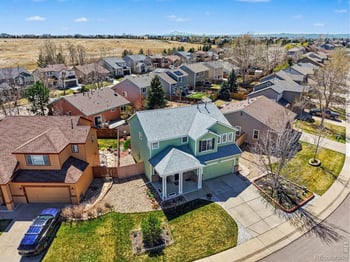
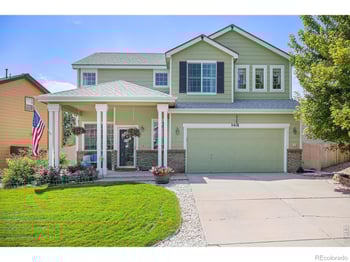
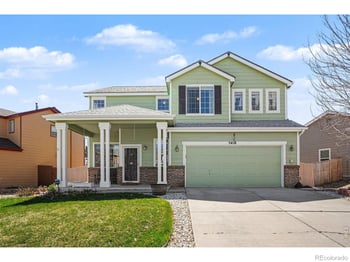
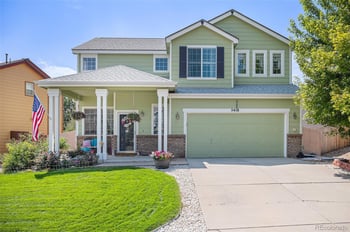
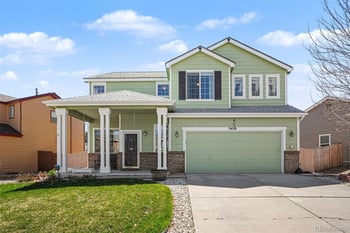
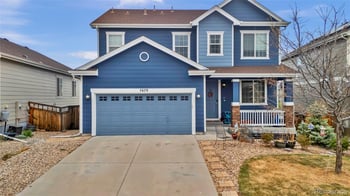
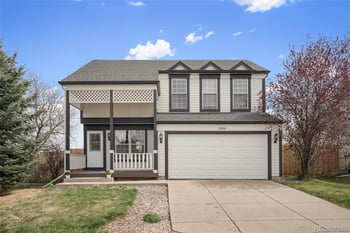
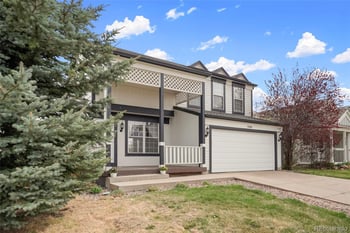
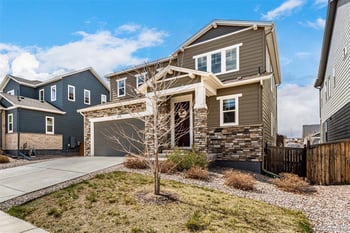
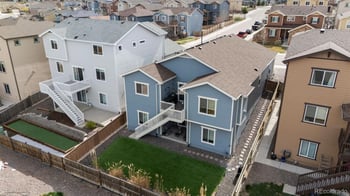
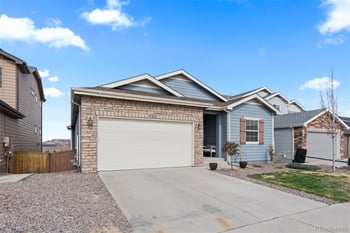
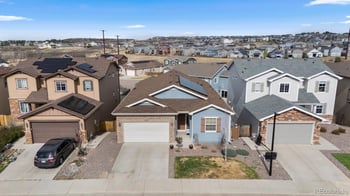
5418 Suffolk Cir, Castle Rock, CO 80104
MLS#: RECIR1056387
Castle Rock homes for sale sit on the Palmer Divide, where elevation and open space separate the town from the Denver metro. Daily life here is shaped by I-25 timing, Founders Parkway traffic, and the clear split between the busier west side near Wilcox Street and the quieter, pine-covered neighborhoods east of the highway. Snow and wind hit differently at this elevation, errands take a bit more planning, and that trade-off—access versus breathing room—is exactly why many buyers choose Castle Rock. Scroll below to see current Castle Rock listings.
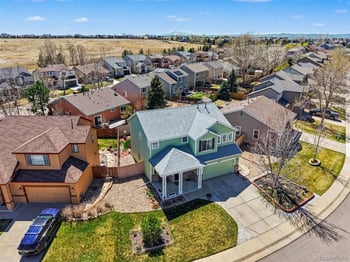
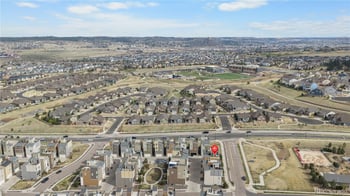
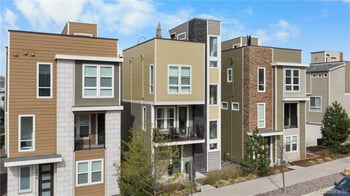
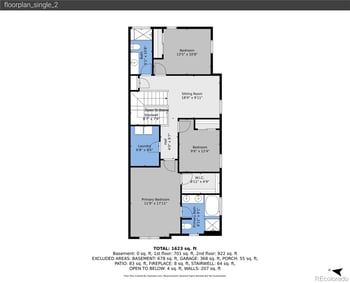
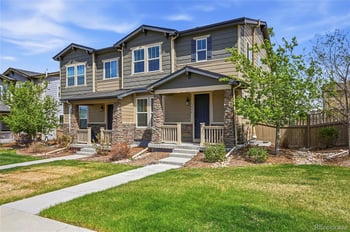
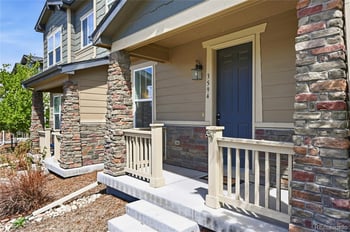
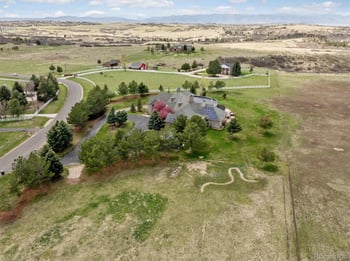
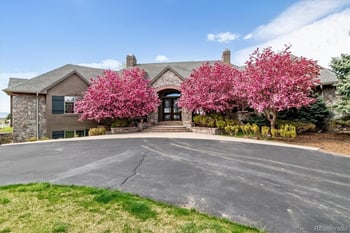
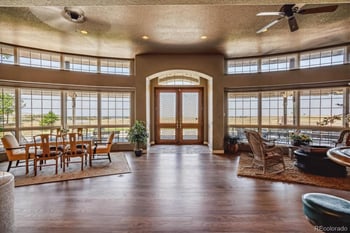
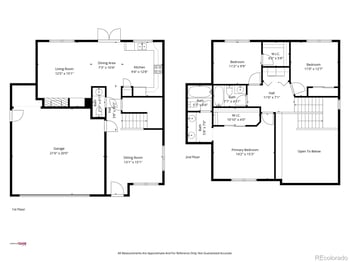


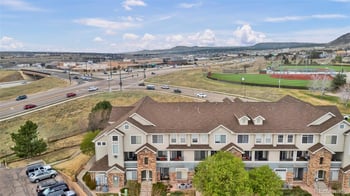
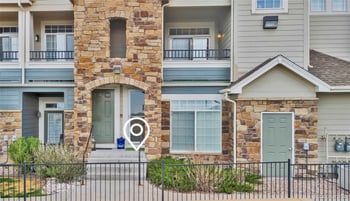
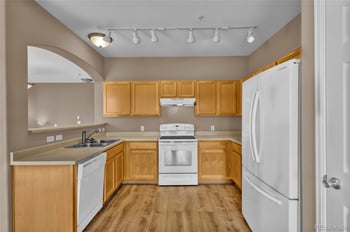
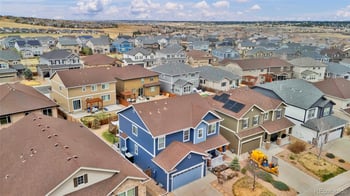
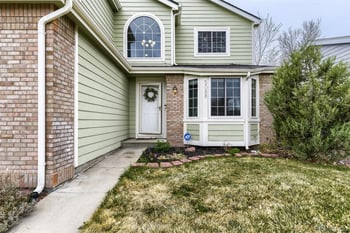
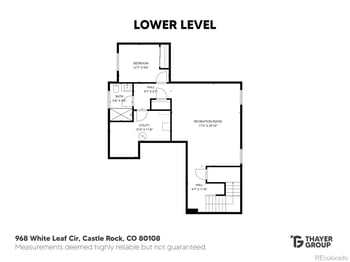
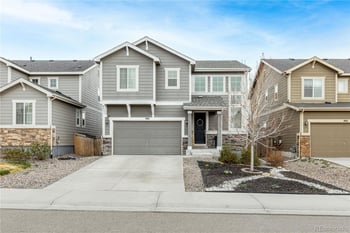
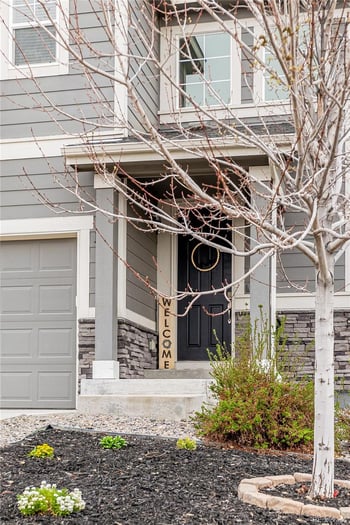
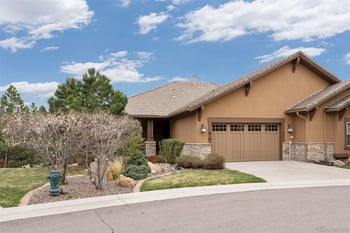


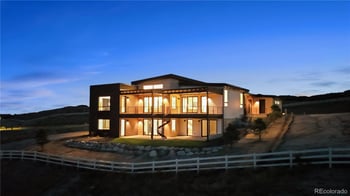
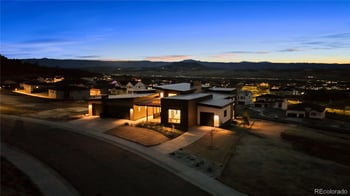
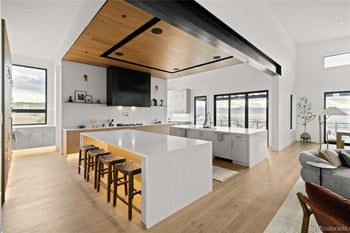
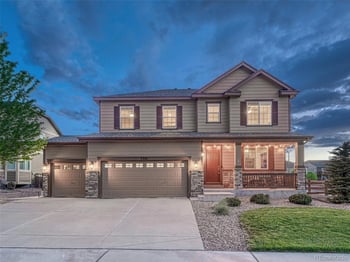
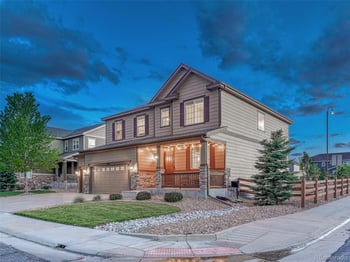
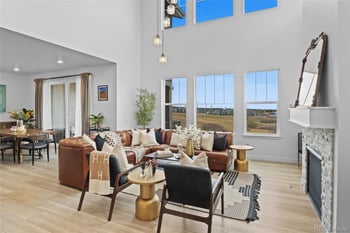
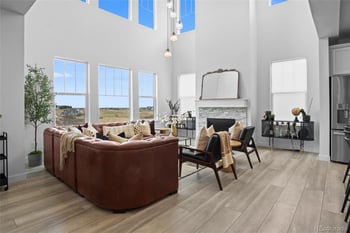
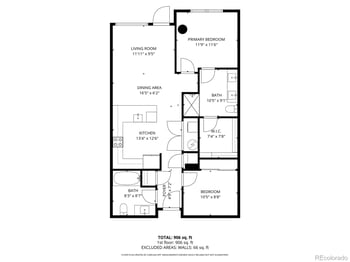
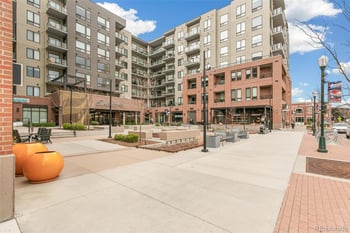

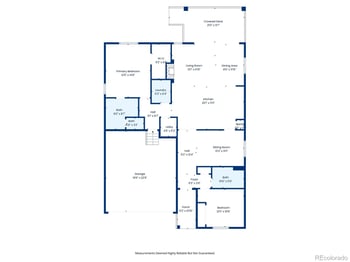
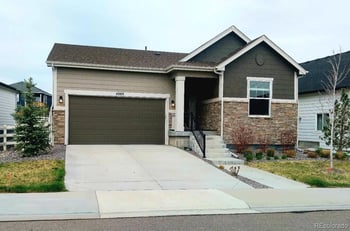
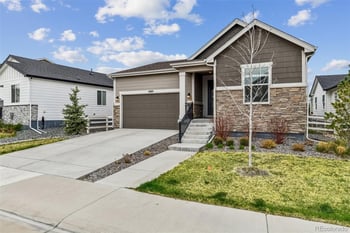


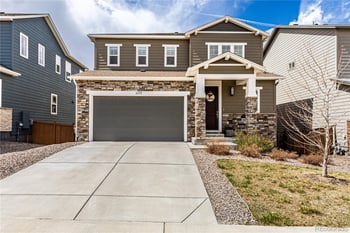
Open land and elevation create a clear break between Castle Rock and the rest of the metro. It doesn’t feel like a continuous stretch of suburbs, which many residents see as a benefit rather than a drawback.
Weekends at the Outlets can jam up the I-25 interchange and spill onto Founders Parkway. Over time, people learn which times to avoid it and which alternate routes make Saturdays easier.
Sitting on the Palmer Divide means stronger winds and heavier snowfall than nearby towns. People learn quickly which errands can wait and which days are best stayed home.
Castle Rock is split by I-25. West of the highway tends to be more open and easier to run errands from, while the east side climbs into hillier, pine-covered areas that feel more tucked away but take a bit more planning day to day.
Trails at Philip S. Miller Park, East Plum Creek, and nearby open space are woven into daily life. Walks and light hikes are common routines, not special outings.
Castle Rock fits people who plan ahead, value space, and don’t need everything five minutes away. It rewards calm routines more than constant convenience.
Living in Castle Rock changes how you think about your day. People plan around timing more than distance—when to hop on I-25, which side of town you’re starting from, and whether Founders Parkway is worth it at that hour. After a while, routines settle in. Mornings feel calmer if you’re not crossing town, weekends are easier if you know when the outlet traffic builds, and most errands get grouped into one run instead of several short trips.
The pace is steady, not rushed. Castle Rock isn’t trying to feel like Denver, and that’s intentional. Elevation and open space shape everyday decisions in small ways—snow lingers a bit longer, wind shows up without warning, and you learn which days it’s fine to stay put. People who enjoy this tend to value predictability and breathing room over spontaneity and constant convenience.
Over time, it becomes clear that Castle Rock works best when your home, your routes, and your habits line up. Once that clicks, daily life feels simpler—not because there’s less to do, but because you’re not fighting the town to get through your day.
Getting around Castle Rock is less about how far you’re going and more about when you go. I-25 is the backbone, but it behaves differently depending on the time of day, the weather, and whether it’s a weekend. People who live here quickly learn that a five-mile drive can feel effortless at one hour and frustrating at another.
Founders Parkway is the road most residents have an opinion about. It’s where errands, appointments, and cross-town trips tend to stack up, and it’s also where traffic shows its personality. On weekends, the Outlets pull extra volume toward the I-25 ramps, and longtime residents plan around that without thinking twice—either by shifting timing or choosing a different route altogether.
The west and east sides move differently too. If you’re west of the highway, quick errands are easier to string together. East of I-25, the drives are calmer but longer, and people tend to batch trips instead of hopping out multiple times a day. Once you settle into those patterns, getting around feels predictable—and that predictability is what most people end up appreciating.
Castle Rock sits at roughly 6,200 feet on the Palmer Divide—a ridgeline that separates its weather from much of the Denver metro. That elevation means snow can fall a little heavier here and linger a bit longer, but it also brings clearer air and cooler summer evenings that people notice quickly once they’ve lived here for a season.
Most people find the adjustment straightforward. You’ll see more AWD and 4WD vehicles in driveways, not because winter driving is extreme, but because it makes everyday trips feel easier. Mornings might start snowy, then clear up as the Colorado sun does its work, and errands naturally shift to later in the day when roads are in better shape.
For most residents, the weather feels like a fair trade. The same mesas and ridgelines that catch the wind are what create the views, space, and sense of separation that draw people to Castle Rock in the first place.
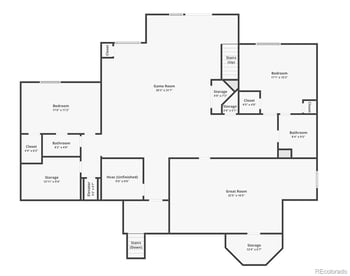
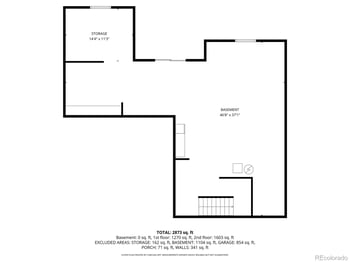
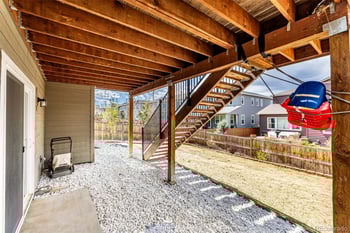
Homes in Castle Rock are shaped by the land they sit on. Because so much of the town is built across ridges and hills, walkout basements are common here—turning lower levels into usable, sunlit space instead of dark storage. For many buyers, that layout works well for guests, hobbies, or keeping everyday living a little more spread out.
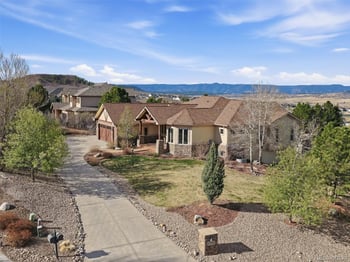
That same terrain means driveways matter more than people expect. A steep or north-facing driveway can change how winter mornings feel, while lots that catch more sun tend to be easier to manage. Locals pay attention to slope and orientation early on, knowing that snow management here is as much about sunlight as it is about shoveling.
Inside, many long-term buyers lean toward main-floor living, even in two-story homes. Stairs become something you choose to use rather than something you have to use, while walkout lower levels stay flexible for visitors or overflow. In Castle Rock, the homes that work best are the ones that fit the terrain and how you plan to live day to day.
One of the first real choices people make in Castle Rock is which side of I-25 fits their routine. West of the highway, in areas like The Meadows and Red Hawk, life feels newer and more master-planned. Neighborhoods are laid out for efficiency, with schools, pools, and the hospital clustered together. It’s convenient, but it can feel busier, especially near the main interchanges.
East of I-25 includes the historic downtown along Wilcox Street and then climbs quickly into hillier ground around Founders Parkway, Castlewood Ranch, and areas like The Woodlands or Escavera. This side tends to feel more established, with heavier pine and scrub oak cover that gives homes more privacy. The trade-off is usually a longer drive to reach I-25.
Most frustration comes when expectations don’t match location. Buyers who want walkability and character often prefer the older pockets east of the highway, while those who want a turn-key suburban setup usually gravitate west. Locals will tell you Castle Rock works best once your daily drive lines up with the side of the highway you live on.
Errands in Castle Rock work best when you plan them in one pass. Most residents don’t run out for a single stop—they stack grocery runs, appointments, and pickups together, then head home. That’s partly because of distance, but mostly because Founders Parkway, Wilcox Street, and the I-25 ramps all behave differently depending on the time of day.
People who live here quickly learn their windows. Midday is usually easiest. Saturdays take more patience, especially when outlet traffic builds near the highway. Locals avoid doubling back across town and tend to pick one side—downtown near Wilcox or the Founders corridor—depending on where they live.
Once that routine settles in, errands feel predictable rather than frustrating. Castle Rock isn’t a place where you pop out five times a day, but for people who like handling things in one clean trip, it works surprisingly well.
One thing Castle Rock does well is making it easy to get outside without planning a whole outing. A lot of residents build short walks into normal days—before dinner, after coffee, or when they just want to move a little—because the trail network is close and the parking is straightforward.
Philip S. Miller Park is the obvious example. Some people use it for a simple loop and call it good; others make a habit of Challenge Hill when they want the “do the stairs and be done” workout. If you want something flatter and easier on knees, East Plum Creek Trail is the kind of paved path people return to again and again because it feels practical, not like a hike you need to gear up for.
On the days you want a bit more quiet, Ridgeline Open Space and Rock Park are where locals go for views without leaving town. The key is that most of these spots are close enough to fit into a normal schedule—so getting outside doesn’t require a big plan, it just requires stepping out the door.
Castle Rock tends to suit people who like a little space around their routines and don’t mind planning their day instead of improvising it. It works well for buyers who are done chasing convenience for its own sake and would rather trade a few extra minutes of driving for quieter streets, views, and a sense of separation from the metro grind.
Downsizers and right-sizers usually do best here when they want room for guests, hobbies, or grandkids without being in the middle of dense development. The town rewards people who appreciate thoughtful layouts, usable basements, and neighborhoods where evenings feel calm rather than busy. Many residents like knowing where things are, when traffic peaks, and how to move through town without surprises.
What people sometimes underestimate is how much Castle Rock expects a bit of awareness. Terrain affects driveways, weather affects timing, and errands are smoother when you bundle them instead of making quick hops. None of this is difficult—but it does favor buyers who are comfortable thinking a step ahead.
Castle Rock can be frustrating for anyone who wants walk-everywhere living, spontaneous last-minute plans, or a tight urban feel. For those buyers, the town can feel spread out. For everyone else—especially those looking for space, privacy, and a more settled pace—it tends to feel like a place that makes sense once you’ve lived into it.
It can, depending on expectations. Castle Rock isn’t far in miles, but it feels more separated because of the Palmer Divide and the open space around town. Most residents don’t think in terms of distance—they think in terms of timing. Leaving earlier or later makes a bigger difference than how far you’re driving.
Winter driving is manageable, but it rewards preparation. Snow tends to fall a bit heavier here than in lower parts of the metro area, and hills and driveway orientation matter. Many locals prefer AWD or 4WD simply because it removes friction from daily routines, not because roads are regularly impassable.
Some do, especially on sloped lots or in areas with more trees and wind exposure. Things like snow management, drainage, and exterior maintenance come with the terrain. Most residents adjust quickly once they understand what their lot orientation and elevation mean for upkeep.
For many buyers, yes—especially those who want to simplify daily living without giving up space entirely. Homes with main-floor living and walkout basements are common, which allows people to reduce stairs while still having room for guests, storage, or hobbies.
Both, depending on where and when. Areas near I-25, the outlets, and major intersections feel active during peak times. Outside of those windows, many neighborhoods feel noticeably calm, especially in the evenings. Most residents learn quickly where activity concentrates and plan around it.
Castle Rock works best for people who value space, views, and a slower daily pace—and who don’t mind planning their routines instead of relying on spontaneous convenience. Buyers who expect walk-everywhere living or constant activity often feel better closer to the city, while those who want room to breathe tend to settle in comfortably here.


Social Life, Events, and How Involved People Tend to Be
Social life in Castle Rock is easy to opt into and just as easy to skip. Most connections happen through small, familiar routines—running into the same faces downtown, chatting on neighborhood walks, or seeing people you recognize at the same coffee spots. It’s not a place that demands constant participation to feel connected.
When people do gather, it’s usually centered around downtown and Festival Park. Events like Starlighting, summer concerts, and the farmers market draw steady crowds without feeling overwhelming. Many residents go for an hour, enjoy it, and head home—there’s no pressure to make a full evening of it.
What tends to work best here is casual involvement. Neighbors are friendly but not intrusive, and most people are comfortable keeping their social circles small. For buyers who want community without obligations, Castle Rock strikes a balance that feels natural once you’ve lived here a bit.