New - 3 Hours Ago
$1,250,000
Active
4
Beds
4
Baths
3620
Sqft
0.11
Acres
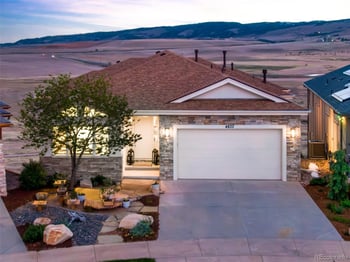
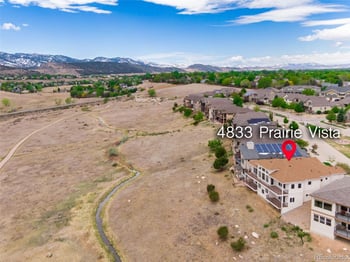
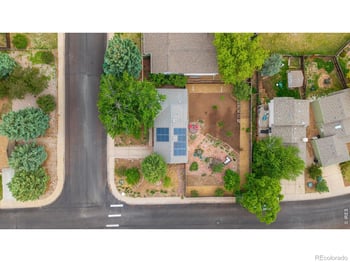
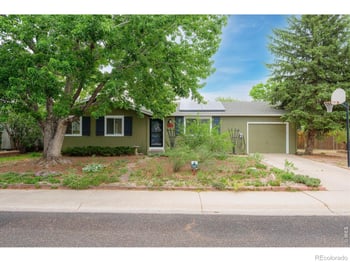
4833 Prairie Vista Dr, Fort Collins, CO 80526
MLS#: REC3070568
.jpg)


.png)
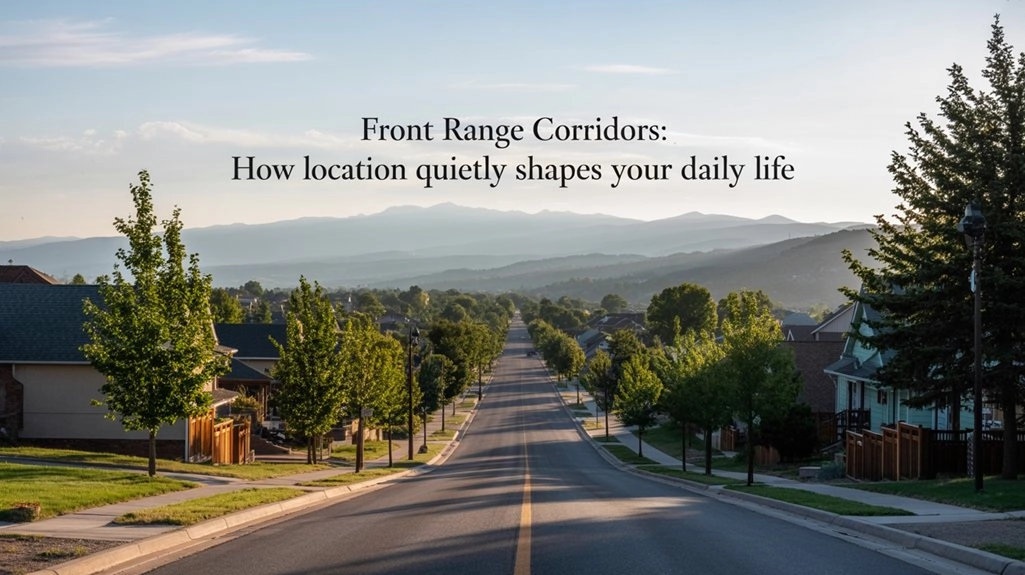
Most people relocating to the Front Range worry about the obvious stuff: snow, hail, traffic, whether they’ll miss the trees from back home. The quieter risks are different. They’re the small, persistent frictions that don’t show up in listing photos or a sunny Saturday showing, but start shaping your days once you’ve lived in the house for a while.
This is written for buyers who can afford choices and are trying to make the right one—people who care more about comfort, predictability, and long-term ease than impressing anyone. From Colorado Springs up through Denver and north toward Fort Collins, the Front Range isn’t one experience. A home that feels effortless in one pocket can feel like daily work a few miles away.
If you want the big-picture sequencing first, this pairs naturally with A Strategic Relocation Checklist for the Colorado Front Range. And if your goal is reducing ongoing effort, it also connects closely to What “Low-Maintenance Living” Actually Means in Colorado (And What It Doesn’t).
A roof can be replaced. A kitchen can be updated. But a daily annoyance—ice that never quite melts at your entry, a wind exposure that makes your patio unusable, an HOA that doesn’t do what you assumed—has a way of stacking up. It doesn’t ruin the purchase. It erodes the feeling you moved here for.
One of the most “Front Range” truths is how quickly things change by micro-location. Two homes in the same city can live like totally different places depending on exposure, nearby arterials, and the way a neighborhood sits relative to open space.
People who’ve lived here a while talk about this like it’s common sense. South metro and Douglas County tend to feel windier and more exposed. Foothill-adjacent neighborhoods in the west metro hold shade and ice longer in winter. And the farther north you go into the newer growth areas, the more you can trade quick errands for longer drives. None of these are problems by default—but they reward buyers who notice how a home sits, not just what city name is on the listing.
Neighbor advice that’s worth listening to: don’t just tour the house—watch how the block behaves. A calm street is a lifestyle asset, and you can’t remodel your way into it later.
Even buyers who feel great about stairs today tend to shop with the next chapter in mind. The quiet risk here isn’t “two-story homes are bad.” It’s that some homes sneak in stair dependency in ways you don’t notice until you live there.
If you want a deeper structural decision guide, this ties directly to Future-Proofing Your Move: Ranch vs. Two-Story Homes on the Front Range and How to Choose the Right Home Style in Colorado.
On the Front Range, HOA living can be a true relief—or it can be a polite surprise. A lot of buyers hear “HOA” and assume snow removal, exterior maintenance, and a general sense of everything being handled. Sometimes that’s true. Sometimes it’s more like “some things are handled, and the rest is on you.”
Quiet HOA risk usually shows up in the details:
The practical move: ask for the HOA documents early and scan them for responsibility boundaries. You’re not looking for perfection—you’re looking for clarity. If the language feels vague, it tends to stay vague when something breaks.
The Front Range climate is manageable, but it’s honest. It rewards homes that cooperate with sun, wind, and snow—and it punishes the ones that fight them. What feels like a small design quirk in good weather can become daily work when the conditions turn.
Homes that tend to feel easiest here usually share a few quiet traits: an entry that catches winter sun, a covered approach that breaks wind, and a layout that lets you move through the house without constantly thinking about conditions outside. These aren’t luxury features—they’re comfort multipliers that matter most when the weather isn’t cooperating.
If you want the climate lens in detail, this connects directly to Sun, Snow, and Strategy: Choosing a Home That Works With Colorado’s Climate.
Insurance surprises are becoming a common “wish we’d known sooner” moment, especially in areas where hail and wind events are part of the normal summer pattern. This isn’t about panic. It’s about avoiding lifestyle stress later—especially when you expected things to feel simpler, not more complicated.
A grounded move before you get emotionally attached: call your insurer with the property type and general area and ask how wind/hail is handled. If you’re in an HOA, confirm what the HOA insures versus what you insure. That single clarification can prevent a lot of frustration later.
On paper, a lot of Front Range living looks convenient. In real life, drive-time is less about miles and more about friction—where the bottlenecks are, how often you’re crossing them, and whether you’re doing it during the times everyone else is on the road.
This shows up most often when buyers underestimate how often they’ll drive for:
A local habit that’s worth adopting early: before you fall in love with a home, run your “ordinary Tuesday” routes in your head. Where’s your closest go-to grocery? What does a quick pharmacy run look like? How does the drive feel when traffic is actually on the roads?
Homes that feel easiest long term usually sit closer to everyday errands than people expect, even if they’re farther from major highways. Five calm minutes often beats fifteen predictable ones, especially once weekly routines set in.
When weather moves in, many locals check live conditions on COtrip rather than guessing. It’s a small thing, but it’s part of how people here keep daily life predictable.
A lot of downsizers buy with the intention of staying put. That’s the goal. Still, optionality matters—because life changes, health changes, family changes, and sometimes you just want the ability to pivot without regret. This isn’t about maximizing return. It’s about preserving flexibility if life nudges you in a new direction.
Homes that tend to preserve optionality over time usually share a few quiet traits:
This isn’t about “future value” in a speculative way. It’s about future ease. When your home still fits your life later, everything gets simpler.
This isn’t about finding a perfect house. It’s about noticing whether a home asks more of you over time than you want to give.
If these questions feel easy to answer, you’re probably not overthinking. You’re filtering.
The best Front Range home purchases aren’t the ones that look perfect on day one. They’re the ones that stay easy on an ordinary winter weekday, when the wind is up and you’re just trying to get on with your life.
Quiet risks aren’t dramatic. They’re persistent. Paying attention early is how you end up with the kind of home that feels good to live in—not just good to buy.
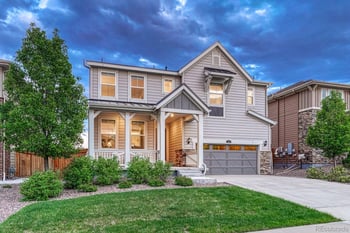
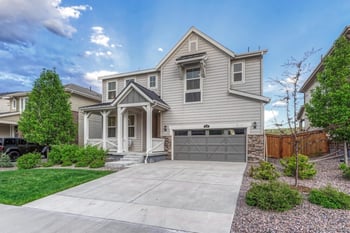
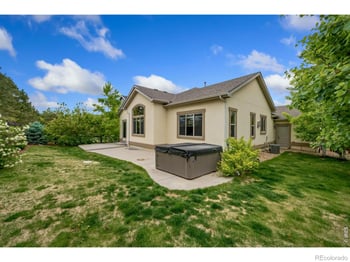
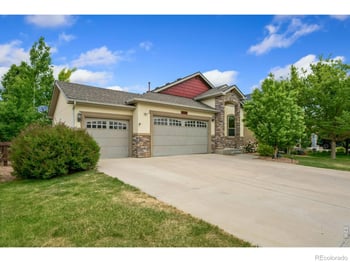
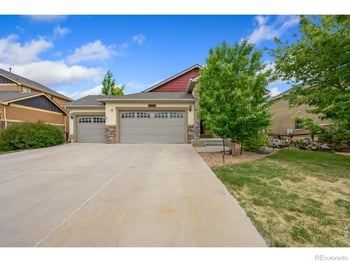
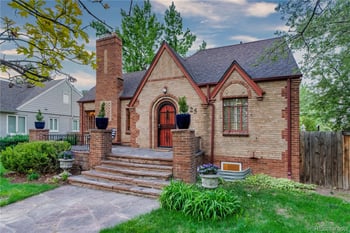
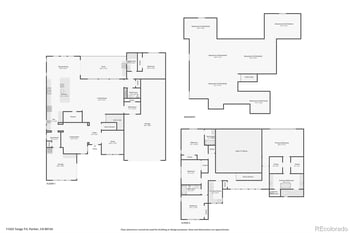
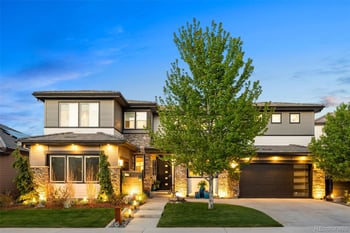
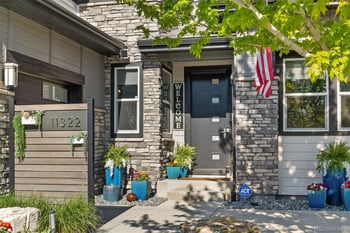
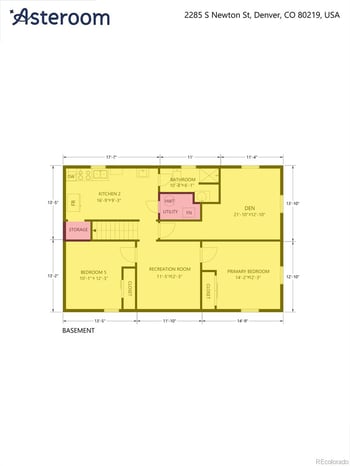
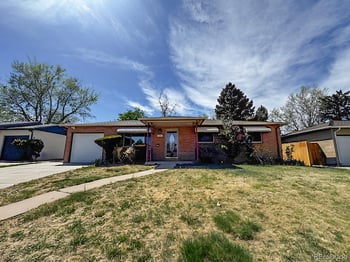
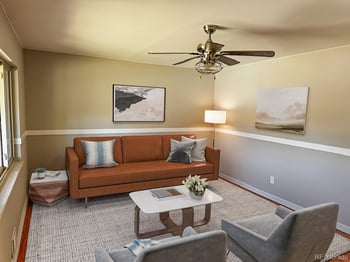
If you’d like, you can use the listings below as a simple reality check—just to see how layout, access, and low-friction living show up in real options across the Front Range. There’s no pressure in it. It’s just a practical way to connect the strategy to what’s actually out there.

Your Real Estate Expert. Regarding real estate in the Denver Metro market, you deserve an expert who places your needs above all else. I'm Brian Burke, a licensed REALTOR® and seasoned real estate broker and owner of Kenna Real Estate with over two decades of experience. I've helped hundreds of home buyers and sellers navigate every transaction, and my comprehensive industry knowledge spans from appraisal to mortgage to real estate expertise.
My dedication to excellence has earned me recognition as a pricing specialist. This allows me to find the best solutions for even the most unconventional transactions to benefit my clients. Consider me your trusted Real Estate advisor for your next transaction, whether it's for yourself, a loved one, or a friend. Always choose an agent who aligns with your needs, even if that means exploring other options.
You may not be aware that I've held a REALTOR® license since 2002, dedicating my time to becoming an authority in all aspects of Residential Real Estate and Construction. In addition, I established my own Real Estate brokerage firm, providing comprehensive 360-degree Real Estate services, from the initial acquisition of a client's first Real Estate asset to the disposition of their entire Real Estate portfolio.
My commitment is unwavering in delivering top-notch service that consistently exceeds my clients' expectations, whether you're selling or buying. Even after the transaction is complete, I remain your lifelong REALTOR®, ready to assist you at any time. When you, your family, or friends choose me as your Real Estate agent, I promise to be the best agent you've ever worked with in the Real Estate industry.
Proudly serving Arapahoe, Douglas, El Paso, Denver, Jefferson, Weld, Lairmer, Elbert, Broomfield, Boulder, and Adams Counties! I have a team of anents in most Colorado cities from Fort Collins, to Grand Junction, to Denver, and Colorado Springs.
This is what You Get when I sell your house:
When it comes to your real estate, trust in a dedicated professional who puts your goals first. Contact me, Brian Lee Burke, today, and let's turn your real estate dreams into reality.

“Low-maintenance” is one of those phrases that sounds reassuring until you live with it for a full year in Colorado. You see it in listing descriptions, community brochures, and casual conversations with friends, usually paired with words like easy, simple, or carefree. But once you’ve dealt with your first snowstorm, spring hail, or surprise exterior repair, you realize the phrase means very dif
If you’ve lived on the Front Range for any length of time, you know this isn’t just a floorplan debate. Colorado weather, daily routines, and how a home actually feels to live in tend to expose small design choices pretty quickly. A ranch can feel like a deep exhale. A two-story can feel like extra space—until it starts feeling like extra friction. The goal here isn’t to push one style over the o
People moving to Colorado often ask about the weather. Locals tend to think about something else entirely: whether the house works with the weather or ends up fighting it. Along the Front Range, climate isn’t just a background detail. It shows up in driveways, utility bills, roof wear, and how confident you feel stepping outside on a winter morning.This isn’t about forecasts or averages. It’s abo
Most people relocating to Colorado start by making a shortlist of city names. That’s natural. But after you’ve lived along the Front Range for a bit, you notice something: daily life is shaped less by the name on your mailing address and more by where you sit in the metro—how you move on I-25, which routes you rely on (US-36, C-470, I-70), where your errands naturally happen, how the wind hits yo


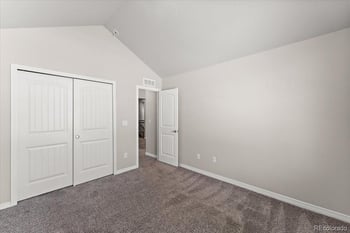

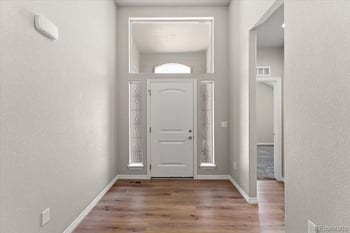


_0003.jpg)
.png)
.png)
.png)
.png)
.png)