New - 5 Hours Ago
$1,500,000
Active
5
Beds
5
Baths
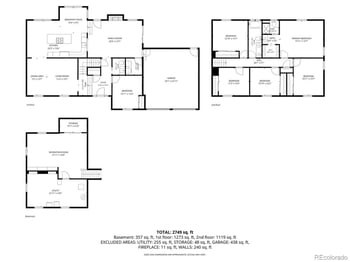
4360
Sqft
0.37
Acres
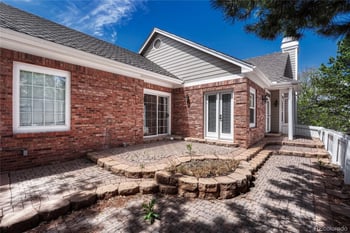
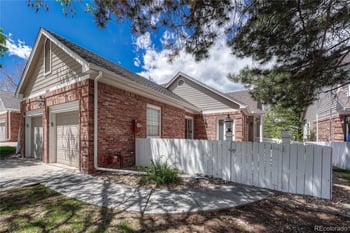
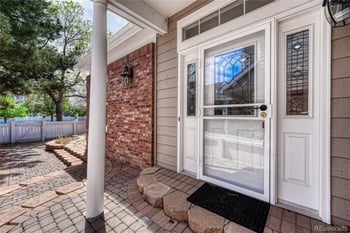
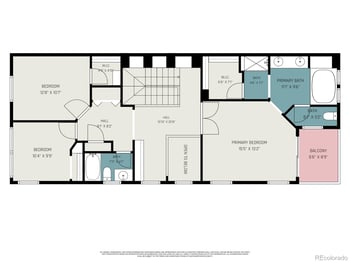
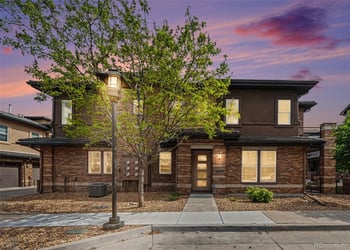
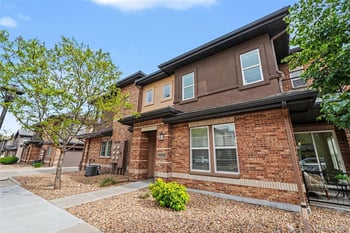
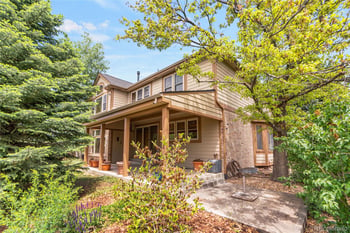
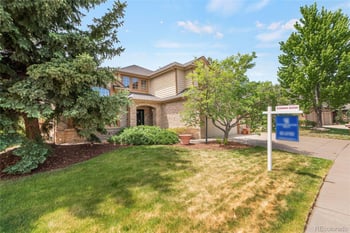
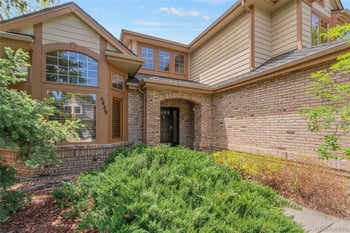
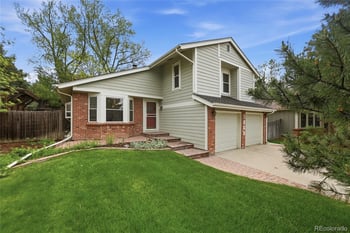
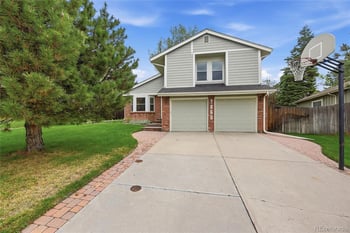
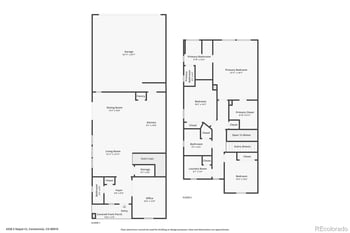
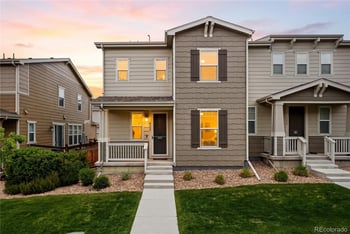
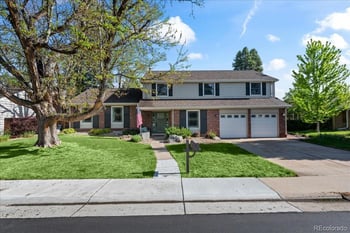
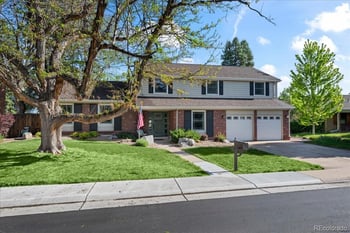
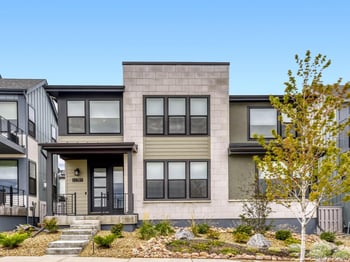
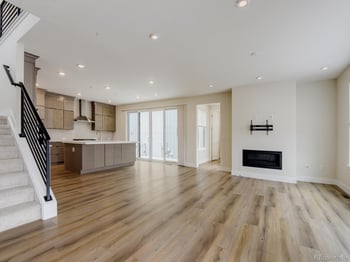
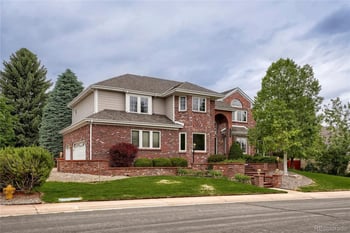
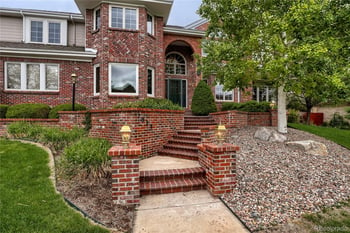
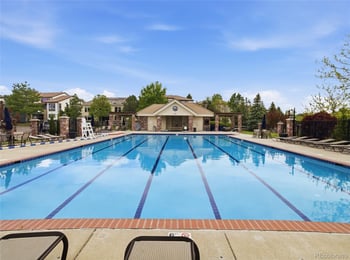
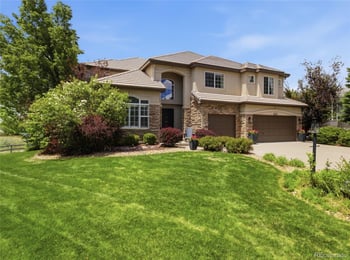
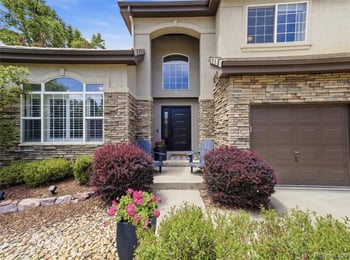
9275 Aspen Hill Pl, Lone Tree, CO 80124
MLS#: REC1696311
.jpg)


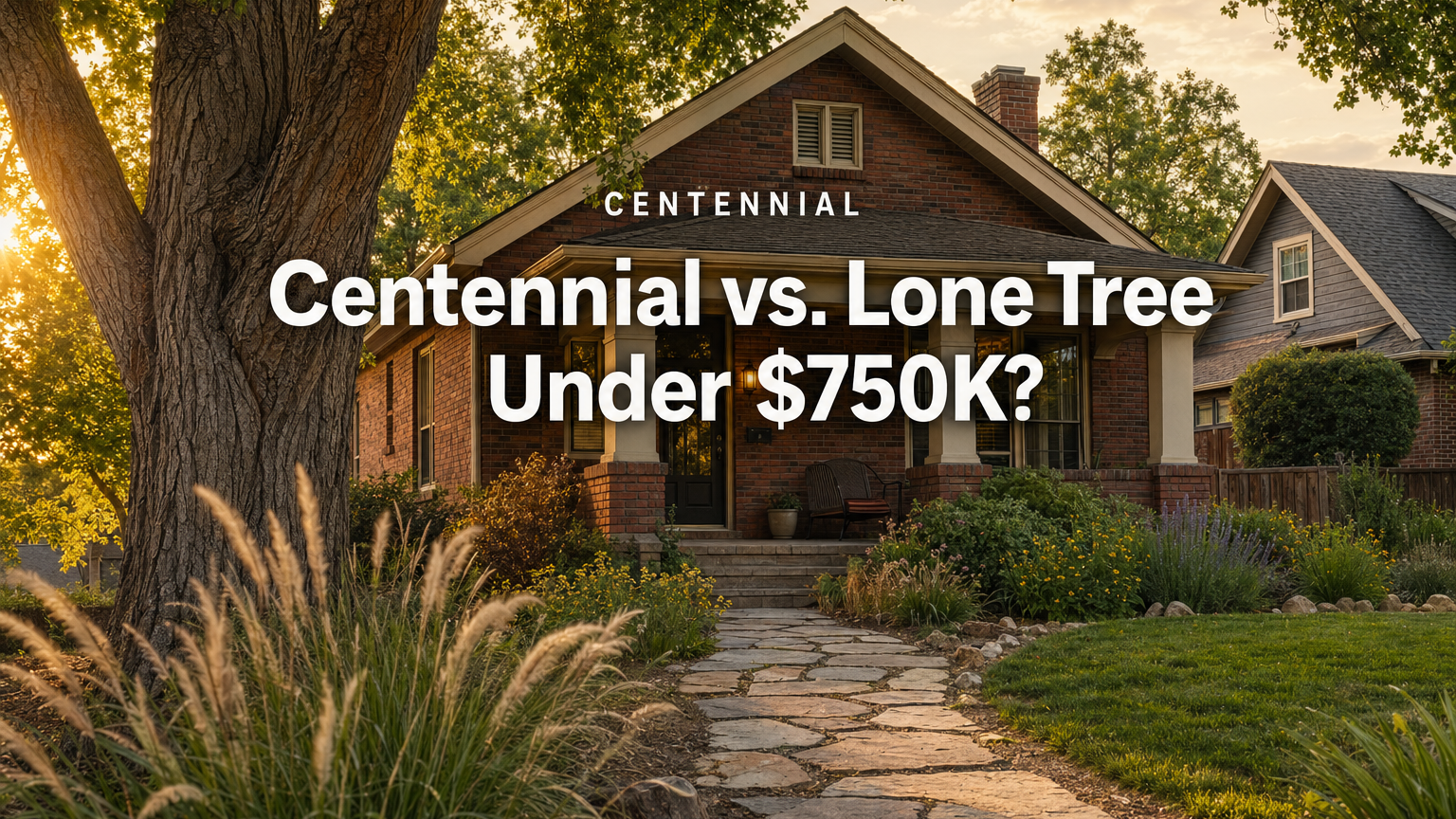
Every broad comparison of Centennial and Lone Tree covers commute times and school ratings — but none of them answer the question a right-sizer actually asks: which suburb lets me buy a detached home under $750K without trading away the low-maintenance, main-floor life I'm moving toward? That question reframes the entire comparison, and the answer is not obvious from suburb-level data alone.
Most suburb comparisons are built for move-up buyers evaluating square footage and school zones. South Denver right-sizers are asking something structurally different: not which suburb is bigger or newer, but which one delivers a single-family home without giving up convenience, manageable maintenance, and long-term practicality at a specific price point. Those are different filters, and they produce different answers.
The core tension is real: finding a detached home under $750K in Centennial or Lone Tree without stretching into move-up pricing is genuinely harder than it sounds. Centennial's established subdivisions consistently offer more options at this price band, with wider lot choices and mature landscaping — but that inventory comes with aging mechanical systems and floor plans from multiple eras. Lone Tree's newer planned neighborhoods near the RidgeGate mixed-use development offer HOA-managed ease and more modern construction, but fewer detached homes clear the sub-$750K threshold in core Lone Tree.
The decision spine running through this comparison is straightforward: if inventory depth and lot character matter most, Centennial is the stronger starting point. If newer construction and lifestyle convenience matter most, Lone Tree is worth the narrower search. For most right-sizers, main-floor functionality ends up being the tiebreaker — and that is the filter neither suburb automatically satisfies. If you want to see how a parallel right-sizer comparison plays out in a neighboring suburb, what downsizers notice first when comparing Greenwood Village to Centennial and Cherry Hills covers the same decision logic from a slightly different angle.
Not every home marketed as "single-family" in Lone Tree is a detached home on its own lot — and that distinction matters enormously for right-sizers who want no shared walls and no shared maintenance decisions. In the corridors around RidgeGate, rowhomes, townhomes, and true detached homes are built in the same planned neighborhoods and listed in the same price ranges, which means filtering by property type on the MLS is not optional. It is the first step.
Centennial's established subdivisions consistently produce more under $750K detached home options than Lone Tree. The housing stock spans several decades of construction, which means wider lot choices and mature landscaping — but also a wider range of floor plans, mechanical ages, and condition profiles. Single-family detached remains the dominant housing type in Centennial's established neighborhoods, and that inventory depth is the suburb's structural advantage for right-sizers working in this price band.
Buyers should verify current active listings and recent sold comps with a local agent rather than relying on any single snapshot. Inventory moves, and what was available three months ago may not reflect today's supply. The durable fact is the pattern: Centennial has historically offered more detached options at this price point than Lone Tree, and that structural difference is unlikely to reverse quickly.
Lone Tree's inventory skews newer and typically lists above Centennial's median. In core Lone Tree and around the RidgeGate mixed-use development — a transit-connected district organized around civic and commercial space — the mix of rowhomes, townhomes, and newer single-family homes means buyers can easily spend significant search time on attached product without realizing it. True detached homes at the sub-$750K level exist, but they require active MLS filtering by property type, not just price and suburb.
Balancing low-maintenance living with the desire for a true single-family home rather than a townhome or condo is one of the real friction points in this search. A Lone Tree townhome near the RTD SE Line light rail station may check every lifestyle box — walkable, newer, HOA-managed — but it is not the same product as a detached home on its own lot, and right-sizers who need that distinction should build the filter into their search from day one.
Centennial vs. Lone Tree: Sub-$750K Detached Inventory Profile
Centennial: Established subdivisions, wider lot choices, mature landscaping, more detached options in this price band, wider range of home ages and floor plan eras. Verify current MLS inventory with a local agent.
Lone Tree: Newer planned communities near RidgeGate, HOA-managed, with inventory that mixes rowhomes and townhomes with true detached — and fewer detached options at this price point. Filter MLS by property type before assuming availability.
Both: Verify current active listings and sold comps before drawing conclusions — suburb-level patterns are durable, but specific inventory is not.
Once you know where the detached inventory actually lives in each suburb, the next question is what maintaining that home will cost you in time and money — and that answer differs significantly depending on when the home was built and how it is managed. You can explore current Centennial detached inventory and neighborhood breakdowns to get a real-time sense of what the sub-$750K search looks like on the ground.
"Low-maintenance" means something different depending on whether the home was built in 1988 with a mature cottonwood in the backyard or in 2012 inside an HOA community where the landscaping crew shows up every two weeks. The word gets used the same way in both contexts, but the actual experience — and the actual cost — are not the same.
Centennial's established subdivisions offer mature landscaping and larger lots that appeal to buyers who want yard character and established neighborhood feel. That is a real advantage. But mature trees, older irrigation systems, and aging mechanical systems mean buyers should budget for deferred maintenance that newer construction avoids. A 1990s home in Centennial may look move-in ready at showing and reveal a failing HVAC, an irrigation system that hasn't been properly winterized in years, or a roof that is two hail seasons past its service life.
Colorado's documented hail exposure is worth naming here specifically: the South Denver corridor sits in a well-established hail belt, and right-sizers on fixed or semi-fixed incomes are the buyers least positioned to absorb a surprise roof replacement or insurance premium spike. Before closing on any Centennial home with an older roof, get a current insurance quote tied to that specific address and ask the inspector to assess the roof's remaining service life — not just its current condition.
Lone Tree's planned communities, particularly those built in the 2000s and 2010s near RidgeGate, are structured around HOA-managed common areas and exterior maintenance. For right-sizers who want low-maintenance living without giving up a detached home, this structure directly reduces the individual homeowner's upkeep burden. Newer mechanical systems, modern construction standards, and professional landscaping management are real differences from Centennial's older stock.
But here is where the maintenance calculus gets complicated: HOA management does not cover everything, and the specific services included vary significantly by community. Some HOAs cover exterior paint, roof maintenance, and snow removal. Others cover only common areas and leave the individual homeowner responsible for everything from the front door outward. Before comparing the true cost of low-maintenance living between these two suburbs, pull the HOA resale disclosure for any specific community — it will list current dues, covered services, and any pending special assessments. Do not assume HOA coverage is equivalent across communities, and be aware that many 1990s–2000s HOAs carry underfunded reserves and special assessment risk that right-sizers on fixed income are poorly positioned to absorb.
The scenario that surfaces most often in this search: a buyer wants to downsize or right-size into a detached home but still needs a main-floor primary suite and minimal upkeep. Centennial's older homes may require renovation investment that directly undermines the low-maintenance goal. Lone Tree's newer HOA communities may deliver that profile more cleanly — but only if the specific home is actually detached and actually within the sub-$750K band after HOA costs are factored in. For a deeper look at how these maintenance cost differences play out across home eras, the maintenance reality for Denver right-sizers choosing between older stock and new construction covers the trade-off in detail.
Maintenance profile shapes daily life, but it is the commute and errand pattern that determines whether the suburb works for the long term — and that comparison has a clear winner depending on where you work and shop.
Square footage and price per square foot tell you almost nothing about whether a home will work for you in ten years. The question is whether the primary suite, laundry, and main living spaces are all on one floor — and that is a filter that has to be applied before suburb, before neighborhood, and before finishes.
Main-floor functionality — specifically a primary suite, laundry, and key living spaces on one level — is a non-negotiable for many right-sizers aging in place or managing mobility considerations. It is not guaranteed by price point or suburb alone. Needing main-floor functionality for aging-in-place, mobility, or everyday convenience means the floor plan search must happen before the neighborhood search, not after. This is the sequence most buyers reverse, and it costs them time.
A beautifully updated two-story in Centennial at $699K can look like the right answer until you realize the primary suite is upstairs and the laundry is in the basement. The home may be priced right, located well, and in excellent condition — and it still will not work for a buyer who needs single-level living. The finishes do not fix the floor plan, and the floor plan does not get easier to navigate over time.
Centennial's established subdivisions include homes from multiple construction eras, which means floor plan variety is genuinely wide. Ranch-style homes in this price band do exist and can deliver full main-floor living — primary suite, laundry, and main living spaces all on one level. But two-story homes with upstairs primaries are also common in the same price range and the same neighborhoods. Buyers must filter by floor plan type, not just price and suburb. Searching "ranch" or "main floor primary" in MLS filters is the starting point; verifying the actual layout with a local agent before scheduling showings is the next step.
Lone Tree's newer construction in planned communities often features more intentional floor plan design, and the 2000s–2010s construction era is a durable anchor for floor plan modernity. But true single-story or main-floor-primary detached homes under $750K require the same active MLS filtering — newer does not automatically mean more accessible, and not every planned community in Lone Tree builds ranch-style detached homes at this price point.
Worrying that available inventory under budget may not match long-term practicality needs is a legitimate concern, not an overreaction. The practical answer is to define floor plan requirements in writing before touring — primary suite location, laundry floor, step count at entry, garage-to-kitchen path — so you are not swayed by finishes on a home that will not work in five years. The neighborhood-level guide to finding main-floor primary homes in Centennial is the most actionable next step once you have defined the floor plan requirement.
Floor Plan Checklist: Define Before You Tour
Floor plan is the internal filter — but daily convenience is the external one, and that is where Centennial and Lone Tree diverge most sharply for right-sizers who run errands, commute, or both.
Lone Tree and Centennial are both described as "convenient to everything" — but that phrase means something very different depending on whether you are driving to Park Meadows for a same-day errand or navigating Centennial's wider footprint from an address that adds fifteen minutes to every trip. The convenience gap between these two suburbs is real, and it is structural, not just a matter of perception.
Lone Tree anchors the south-metro retail corridor with Park Meadows and a dense cluster of daily-errand retail — grocery, medical, dining, and services — that right-sizers who prioritize access to daily essentials will find hard to match from most Centennial addresses. The concentration of retail near the RidgeGate mixed-use development and along the Lincoln Avenue corridor means that a Lone Tree address in that zone can handle most daily errands within a short drive. Verify current retail mix near any specific address before assuming proximity, since tenant mix shifts over time.
Centennial's wider geographic footprint means daily convenience varies significantly by address. Some Centennial neighborhoods sit close to major retail corridors — The Streets at SouthGlenn along Arapahoe Road, for example, offers grocery, dining, and services in a walkable mixed-use format. Other Centennial addresses require a longer drive for the same errand run. Buyers should map their specific address against their most-used destinations before deciding, rather than relying on suburb-level convenience claims.
Both suburbs run along the I-25 and C-470 corridors, with access to E-470 for DIA-bound commuters. Lone Tree's position just south of the Denver Tech Center gives DTC-bound commuters a structural advantage — many Lone Tree addresses sit closer to the DTC employment cluster than comparable Centennial addresses. But that DTC access advantage is also part of why Lone Tree's inventory skews above the sub-$750K band. The commute advantage comes with a price premium that narrows the detached sub-$750K options available to right-sizers.
Centennial's address variability means commute times to DTC should be tested by specific address, not suburb-level average. An address near Dry Creek Light Rail Station or Arapahoe at Village Center transit node gives Centennial buyers a transit option that reduces car dependency — but verify current RTD schedules and station access from any specific address at Centennial's property search tool and through RTD's official site before treating transit as a reliable daily option. For Lone Tree, the RTD SE Line light rail station near RidgeGate is a genuine asset for transit-first households, but the same verification step applies.
A South Denver household comparing these suburbs because one offers more practical housing options while the other feels more convenient for errands and commuting is describing a real structural difference, not a perception gap. Lone Tree wins on convenience density. Centennial wins on detached inventory depth. The question is which variable matters more to your daily life — and the answer to that question is what narrows the search. For address-level commute variability from Centennial to DTC, the commute analysis for South Denver right-sizers working in the DTC corridor covers the specifics that suburb-level averages miss.
Convenience and commute narrow the field, but the long-term practicality question — whether the home and suburb hold up as needs change — is what separates a good right-size move from one that requires another move in five years.
A right-size move that works perfectly at 62 but requires another move at 72 is not a right-size move — it is a delay, and the cost of a second transaction in five years is the hidden price of skipping the long-term practicality filter now. The question is not just whether the home works today, but whether the suburb's infrastructure supports the life you will be living in a decade.
Long-term practicality for right-sizers means the home and suburb must work not just at purchase but as mobility, health, and lifestyle needs shift. Evaluate walkability to daily services, proximity to medical facilities, and neighborhood walkability for any specific address rather than relying on suburb-level generalizations. A Centennial address near Arapahoe Road and The Streets at SouthGlenn may score well on this filter. An address on Centennial's eastern edge near the E-470 corridor may not — the wider footprint creates real variation in how car-dependent daily life becomes over time.
Lone Tree's planned communities with HOA management, newer construction, and proximity to retail and medical corridors create a structural advantage for aging-in-place practicality. But HOA management does not fix a floor plan with the primary suite upstairs. A buyer who moves into a Lone Tree HOA community expecting low-maintenance living and discovers two years later that the stairs are becoming a daily challenge has solved the yard problem and created a different one. The floor plan filter from the previous section is not separate from the long-term practicality filter — it is the same filter applied forward in time.
School district quality is worth naming even for right-sizers without school-age children. Centennial straddles both the Cherry Creek School District and Littleton Public Schools depending on specific address — verify your zone through each district's boundary lookup tool before assuming which district applies. Lone Tree falls within Douglas County RE-1. District quality affects resale demand and long-term value regardless of whether the buyer has children, and understanding how Cherry Creek School District affects resale demand for right-sizers without kids is worth the read before finalizing a Centennial address.
A family trying to stay near daily essentials and major corridors while avoiding a home that will become difficult to maintain over time is describing the exact long-term practicality filter that should drive the final decision between these two suburbs. That filter eliminates a significant portion of the available inventory in both cities — which is why defining it before searching, rather than discovering it mid-tour, saves real time and real frustration.
Resale demand for sub-$750K detached homes in both suburbs is supported by the broader South Denver market's appeal to move-up buyers, right-sizers, and families who want access to the I-25 and C-470 corridors. But worrying that available inventory under budget may not match long-term practicality needs is a legitimate concern — market conditions shift, and buyers should verify current days-on-market patterns and absorption rates with a local agent rather than assuming either suburb guarantees liquidity. The structural demand drivers are durable; the specific market conditions are not.
Address-Level Verification Checklist for Long-Term Practicality
With the long-term filter applied, the decision between these two suburbs comes down to a specific trade-off that is different for every buyer — the next section names it directly so you can apply it to your own situation.
After working through maintenance, floor plans, commute, and long-term practicality, the decision between Centennial and Lone Tree under $750K is not a coin flip — it is a structured trade-off with a clear answer once you know which variable matters most to you. The buyers who struggle most with this decision are the ones trying to optimize for everything simultaneously: inventory depth, newer construction, HOA-managed maintenance, DTC access, and a detached home at this price point do not all converge in the same suburb at the same time.
Centennial is the stronger answer when the buyer's priority is detached inventory depth, lot character, and address flexibility. Buyers who are willing to do floor plan due diligence and evaluate maintenance needs on older stock will find more sub-$750K detached options here than in Lone Tree. The Cherry Creek School District and Littleton Public Schools both serve parts of Centennial — verify your specific zone — and the established neighborhood character appeals to right-sizers who want mature landscaping and community feel over newer construction aesthetics.
Centennial also offers more practical value for buyers who need DIA access via E-470 or who want address flexibility along the C-470 corridor. The trade-off is honest: a lower purchase price can mean sacrificing newer finishes, main-floor layouts, or proximity to daily essentials. Centennial may offer more practical value, but it requires more work to find the specific home that delivers low-maintenance living without renovation investment.
Lone Tree is the stronger answer when the buyer's priority is newer construction, HOA-managed low maintenance, and proximity to the DTC commute corridor and retail density around Park Meadows and the Lone Tree Arts Center district. Buyers who want access to daily essentials within a short drive, a newer mechanical profile, and HOA-managed exterior upkeep will find Lone Tree's infrastructure more aligned with those priorities.
The honest trade-off: better access to major corridors and amenities can come with fewer sub-$750K options. Choosing between better daily convenience and the higher-cost, more lifestyle-oriented feel of Lone Tree is a real trade-off, not a perception — and it is the trade-off that most right-sizers in this price band are actually navigating. Lone Tree may require patience, a slight budget adjustment, or accepting a townhome rather than a detached home if the sub-$750K detached inventory is thin at the time of search.
The tiebreaker for most right-sizers is main-floor functionality: whichever suburb has an available detached home with a main-floor primary suite, manageable maintenance profile, and access to daily essentials at the time of search is the practical answer. Define the floor plan requirement first, then filter by suburb.
Centennial Wins When / Lone Tree Wins When
Choose Centennial when:
Choose Lone Tree when:
Four-Step Verification Before Your Next Showing
For right-sizers relocating to South Denver from out of state, the suburb comparison looks different after you have spent a winter here and understand how daily life actually functions across the I-25 and C-470 corridors. What daily life in South Denver actually looks like for out-of-state buyers covers the seasonal and practical realities that a summer visit will not show you — and those realities affect which suburb's infrastructure holds up best over time.
Your Real Estate Expert. Regarding real estate in the Denver Metro market, you deserve an expert who places your needs above all else. I'm Brian Burke, a licensed REALTOR® and seasoned real estate broker and owner of Kenna Real Estate with over two decades of experience. I've helped hundreds of home buyers and sellers navigate every transaction, and my comprehensive industry knowledge spans from appraisal to mortgage to real estate expertise.
My dedication to excellence has earned me recognition as a pricing specialist. This allows me to find the best solutions for even the most unconventional transactions to benefit my clients. Consider me your trusted Real Estate advisor for your next transaction, whether it's for yourself, a loved one, or a friend. Always choose an agent who aligns with your needs, even if that means exploring other options.
You may not be aware that I've held a REALTOR® license since 2002, dedicating my time to becoming an authority in all aspects of Residential Real Estate and Construction. In addition, I established my own Real Estate brokerage firm, providing comprehensive 360-degree Real Estate services, from the initial acquisition of a client's first Real Estate asset to the disposition of their entire Real Estate portfolio.
My commitment is unwavering in delivering top-notch service that consistently exceeds my clients' expectations, whether you're selling or buying. Even after the transaction is complete, I remain your lifelong REALTOR®, ready to assist you at any time. When you, your family, or friends choose me as your Real Estate agent, I promise to be the best agent you've ever worked with in the Real Estate industry.
Proudly serving Arapahoe, Douglas, El Paso, Denver, Jefferson, Weld, Lairmer, Elbert, Broomfield, Boulder, and Adams Counties! I have a team of anents in most Colorado cities from Fort Collins, to Grand Junction, to Denver, and Colorado Springs.
This is what You Get when I sell your house:
When it comes to your real estate, trust in a dedicated professional who puts your goals first. Contact me, Brian Lee Burke, today, and let's turn your real estate dreams into reality.