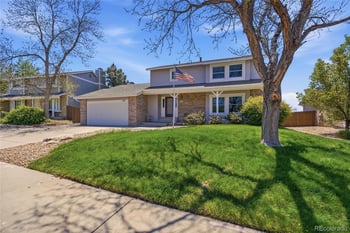
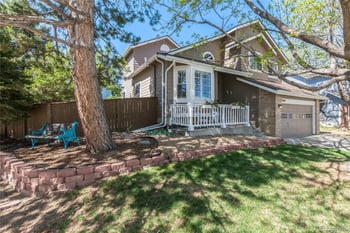
New - 8 Hours Ago
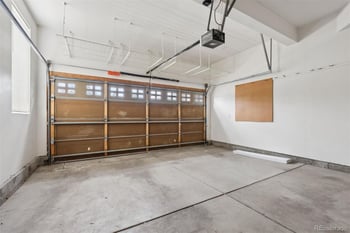
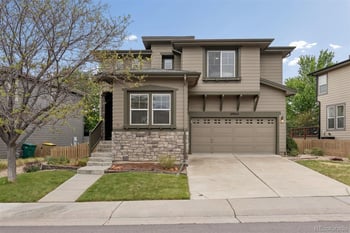
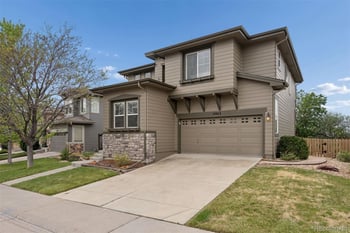
$675,000
Active
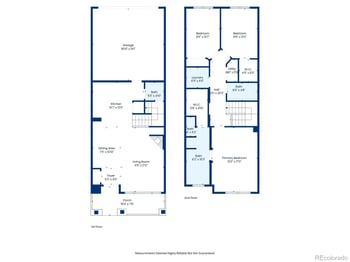
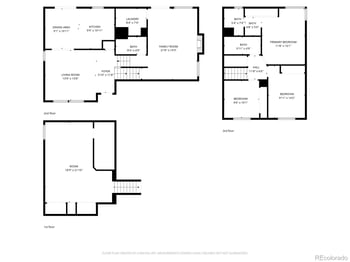
3
Beds
4
Baths
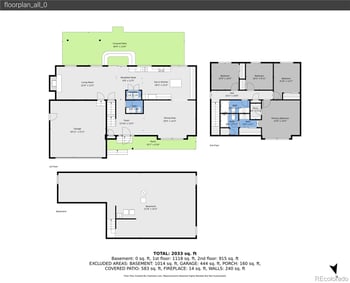
2536
Sqft
0.09
Acres
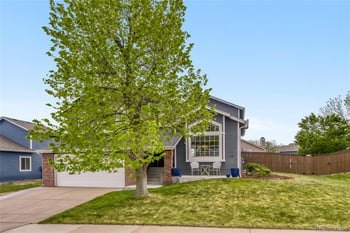
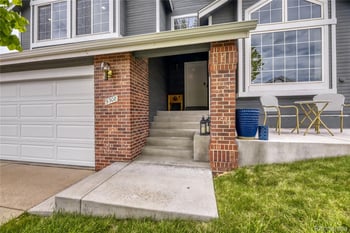
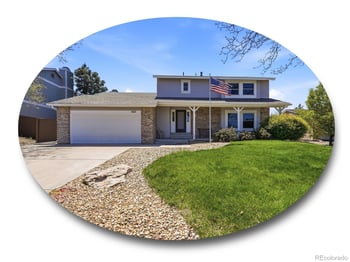
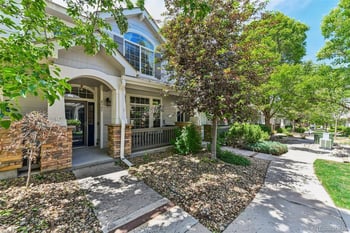
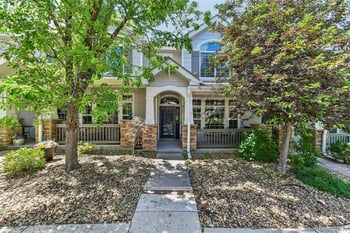
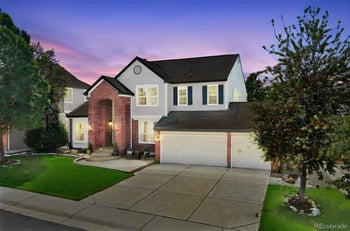
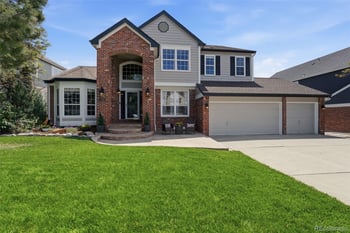
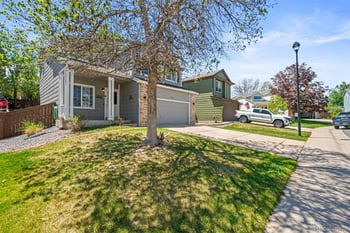
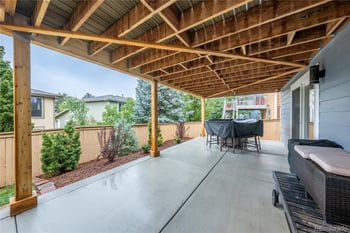
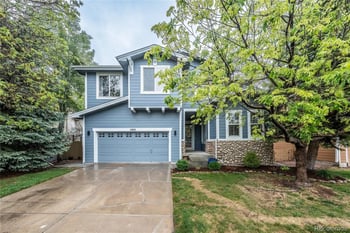
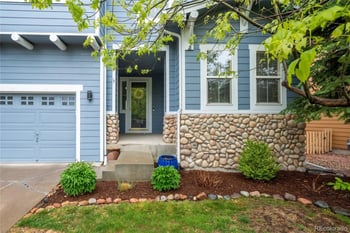
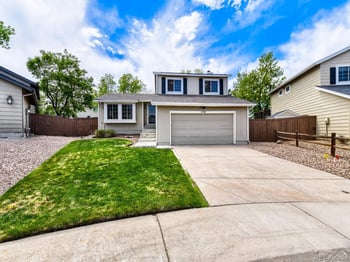
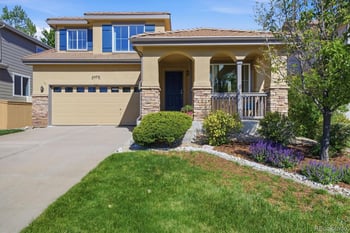
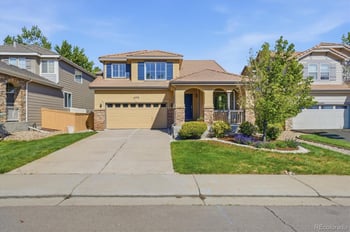
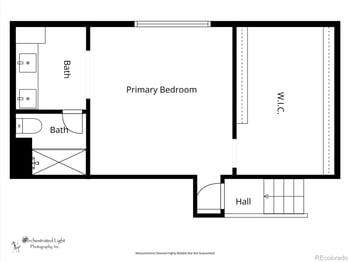
10863 Towerbridge Rd, Highlands Ranch, CO 80130
MLS#: REC2897067
.jpg)


TL;DR
BackCountry in Highlands Ranch delivers on its nature-forward, gated-luxury promise for residents whose daily routines align with what it actually offers — private trails, Sundial House amenities, and a quiet remove from the city — but creates real friction for daily DTC commuters, families navigating school pickup bottlenecks, and downsizers who may carry the HOA cost without capturing the value. Before closing, confirm fiber internet availability at the specific property address, pull the BackCountry Association resale disclosure for current dues, and verify school boundary assignment directly with Douglas County School District.
Every BackCountry listing leads with mountain views and resort amenities — but the residents who love it most and the ones who quietly regret it are often buying the same floor plan. The difference is rarely the home. It is whether their actual weekday routine fits the community's structural reality.
BackCountry sits at the southern terminus of Broadway in Highlands Ranch, gated with 24/7 staffed entry and bordered by the HRCA-managed BackCountry Wilderness Area — more than 8,000 acres of preserved open space that connects directly to the community's private trail network. That geography is fixed. It shapes every resident type's day in ways that a Sunday afternoon tour simply does not reveal.
Highlands Ranch is one of the more affluent communities in the Denver Metro, with the low crime rates and high household incomes that come with that profile. BackCountry adds a premium layer on top: private gates, a lodge-style clubhouse, and direct wilderness access that most of Highlands Ranch does not have. That premium carries real trade-offs in cost and daily convenience that the listing brochure does not spell out.
The gated location that feels like a retreat on a Tuesday morning becomes a logistical variable on a snowy Wednesday commute or a school pickup afternoon. Whether BackCountry works for you depends entirely on how you spend your weekdays — and If you want a broader framework first, how BackCountry compares to other Denver ranch communities on daily trade-offs is a useful starting point before going deeper.
Remote workers who tour BackCountry almost universally say the same thing — and the ones who moved in without checking one specific infrastructure detail learned a hard lesson on their first video call.
Working from home in BackCountry is a dream in the most literal sense of what that phrase means: a home office with mountain views, quiet streets, and over eight miles of private trails accessible directly from the neighborhood. The ability to hop on the trails at lunch for a 30-min reset is not a marketing line — it is a structural feature of the community. The trail network connects from within the gates to the broader wilderness area, so a midday walk or run does not require a car or a commute to a trailhead.
Picture the routine: morning trail walk before the first call, Zoom calls from a deck with Front Range views, then a midday loop through the wilderness before the afternoon block. On days when the home office feels too quiet, the Sundial House fitness center and pub offer a change of scene without leaving BackCountry. It is a work environment that most suburban neighborhoods genuinely cannot replicate.
Here is where the remote-worker story gets complicated. Home internet can drop during peak hours if you are not on fiber — and for anyone whose livelihood depends on video calls or large file transfers, that is not a minor inconvenience. Remote workers may need fiber upgrades because home internet can be spotty during peak hours, and neighborhood-level coverage maps are not reliable enough to confirm what you will actually get at a specific address.
The other gap that surprises remote workers: there is no coffee shop inside the gates. Anyone who relies on a third-place work environment — an afternoon at a café to break the isolation — will need to drive out for it. That drive breaks the very rhythm that makes BackCountry work for remote professionals. The community fits people who prioritize nature access and low-distraction environments over walkable café culture. If you need both, the math gets harder.
If the remote lifestyle fits, the next question is whether the commute math works for the days you do need to go in — and that calculation is more weather-dependent than most buyers expect. Understanding the true monthly cost of low-maintenance living in Highlands Ranch by buyer type is also worth doing before you assume the HOA structure makes sense for your usage pattern.
The DTC commute from BackCountry sounds straightforward on paper — and on a clear Tuesday morning in September, it is. The problem is that Colorado winters are not September, and the community's southern position and gated entry create a compounding friction that only shows up when the weather turns.
The DTC commute from BackCountry is roughly 20 mins on C-470 in good weather. C-470 is the primary corridor, and the route is direct from BackCountry's southern Highlands Ranch position. Flexible start times make this genuinely workable for hybrid schedules.
Snow closes South Rim access roads and adds black ice to the winding entry roads. The commute that ran smoothly in October becomes stressful with snow, black ice, gate lines, and winding entry roads — and this is not a rare edge case in a Colorado winter.
Daily commuting to the DTC can be smooth in good weather but becomes genuinely stressful when those variables stack. Verify your specific commute window by driving the route at your actual departure time on a weekday — and do a winter trial run if you are buying in spring or summer. The C-470 corridor's weather variability is a structural feature of this location, not an anomaly.
The staffed gate that feels reassuring pulling in at 7pm on a quiet evening becomes a different experience at 8am when dozens of households are all leaving simultaneously. Gate wait during rush hour adds a real 5-minute frustration to the commute — and that compounds across a five-day week into something that feels like a much larger cost than it sounds in isolation.
Commuters who travel to the DTC three or more days per week should evaluate BackCountry's location against communities with more direct arterial access. The gated entry and southern position are structural — they do not change with traffic patterns or market conditions. You get gated security, trails, and resort-style amenities, but you give up convenience like quick grocery runs, corner stores, and easy transit. For a daily 8-to-5 commuter who cannot absorb weather-driven variability, that trade-off is worth stress-testing honestly before buying.
BackCountry works best for hybrid workers with two or fewer DTC days per week, or commuters with flexible start times who can avoid peak gate congestion. For a broader look at how BackCountry's commute geometry stacks up against other C-470 corridor communities, which C-470 suburbs trade commute convenience for value is worth reading before narrowing your search.
The outdoor childhood BackCountry promises is real — but the daily school logistics are more complicated than the listing description suggests, and families who do not experience both before buying sometimes feel the gap between the two more sharply than they expected.
Kids in BackCountry are generally zoned to Arrowwood Elementary, and the walkability of that connection is a genuine selling point for families with younger children. But verify current school boundary assignment directly with Douglas County School District before relying on any listing's school information — boundaries do shift, and a listing description is not a reliable source for zone confirmation.
Families face school pickup congestion and limited on-site kid infrastructure — the gated entry that provides security also creates a funnel that concentrates arrival traffic in a way that open-street neighborhoods do not. This is not a dealbreaker for most families, but it is a daily reality that should be experienced firsthand, not assumed away.
After the school run, BackCountry's private trail network is a legitimate asset. Private trails are gold for bike rides post-homework — kids can access the trail system directly from the neighborhood without crossing arterial roads, which is a safety and convenience feature that most suburban communities genuinely cannot offer. Weekend drives to Chatfield for playground variety round out the outdoor routine for families who want more than the trail network alone.
The Sundial House amenities skew toward adult programming. Families should verify current youth-specific offerings and hours directly with the BackCountry Association — the clubhouse is not primarily designed as a kids' activity hub, and programming changes seasonally. BackCountry fits families who prioritize outdoor access, low-traffic streets, and a tight-knit community feel. It creates friction for families who need walkable after-school activity infrastructure or frequent access to retail and dining without a drive.
If you are comparing BackCountry's school access and after-school infrastructure against other Highlands Ranch options, how BackCountry's daily family routine compares to The Hearth is a useful side-by-side before narrowing your search.
For people making a precision move into a home that fits the next chapter — not a smaller version of the last one — BackCountry's main-floor options are genuinely compelling. The question is whether the full cost structure aligns with how you actually plan to live there.
Main-floor luxury in BackCountry means no stairs as a daily reality — not just a floor plan feature on a listing sheet. Single-level layouts, mountain views, and direct trail access create a retirement lifestyle that is difficult to replicate in most Denver Metro communities. The gated entry feels safe pulling in at 7pm, and that sense of security is a structural feature of the community, not a marketing claim. It changes the feeling of coming home after dark in a way that open-street neighborhoods simply do not.
One important note for buyers evaluating MLS listings: "ranch" and "main-floor primary" labels do not always guarantee true single-level living. Laundry rooms, guest bedrooms, or key storage areas are frequently on lower or upper levels and discovered during the showing. Walk the full home with stair-free daily function in mind — not just the primary suite.
The trail network adds a dimension that most right-sizing moves cannot match: gentle morning hikes, evening walks with Front Range views, and a physical environment that supports staying active without a car trip. For active retirees, this is the feature that makes BackCountry feel like a strategic upgrade rather than a concession. For context on how this compares to other Highlands Ranch options, what main-floor living actually looks like across nearby Highlands Ranch communities is worth reviewing before committing to BackCountry's HOA structure.
Retirees and downsizers who use the Sundial House consistently — fitness center, pool, pub, community events — tend to feel the HOA cost is justified. Those who travel frequently or prefer independent routines often find they are paying for amenities they rarely access. Retirees and downsizers like main-floor living but may feel the HOA fees are high relative to how much they use the amenities — and that calculation is deeply personal.
Winter weather is a real constraint that deserves honest weight. Snow can limit trail access and South Rim routes, pushing residents indoors for stretches that reduce the outdoor lifestyle value that drew them to BackCountry in the first place. This is not a minor seasonal footnote — it is a structural geographic reality of the community's southern position. Buyers whose primary draw is the trail network should factor in how they will spend the weeks when that access is reduced.
Main-floor living and low-maintenance luxury are appealing, but HOA costs and limited nearby assisted-living options can be a downside for retirees whose needs may shift over time. Retirees evaluating BackCountry against Castle Rock alternatives can find a useful benchmark in how Highlands Ranch and Castle Rock compare on cost, amenity access, and lifestyle fit for 55+ buyers.
The amenity list on a BackCountry listing looks the same for every buyer — but the value of that list varies by a factor of three or four depending on how often you actually use it. Most buyers overestimate their usage rate during a tour.
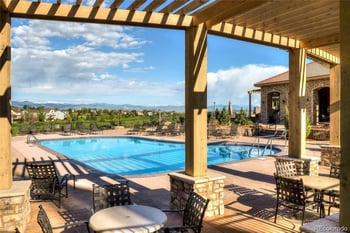
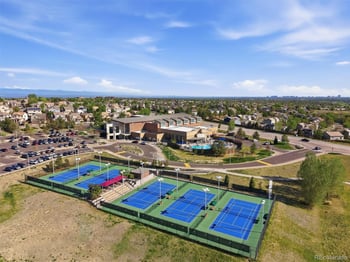
The Sundial House is a genuine community asset. Lodge-style design, sweeping mountain views, a pool with lap lanes and hot tubs, a fitness center, a pub, and year-round programming — concerts, wine tastings, yoga classes, family activities — make it a social hub that earns its place in the community. But its value is proportional to how often a resident actually shows up. Verify current hours, the programming calendar, and any reservation requirements directly with the BackCountry Association before closing — offerings change seasonally.
The private trail network is the amenity that most consistently delivers on its promise across all resident types. Eight-plus miles of trails within BackCountry connecting to the broader wilderness area are structural, always available, and not subject to scheduling or capacity constraints. For residents who use them daily, this is the community's most durable asset.
BackCountry residents also hold HRCA membership, which gives access to four broader Highlands Ranch recreation centers — expanding the amenity footprint significantly for residents who want pool variety, fitness classes, or programming beyond what Sundial House offers. Confirm current HRCA access terms and which facilities are included via the HRCA resale disclosure or membership verification during the purchase process.
No coffee shop inside the gates. No grocery store. No restaurant you can walk to. Every daily errand — a King Soopers run, a coffee before a meeting, a quick lunch out — requires driving out of the community. For some residents, this is a minor inconvenience absorbed easily into a car-dependent suburban routine. For others, it is a genuine daily friction point that accumulates over time.
Winter closures compound this. Snow closes South Rim access and limits trail routes, pushing residents indoors for stretches that reduce the outdoor lifestyle value that drew them to BackCountry in the first place. Nature-focused living is a major draw, but winter closures and HOA trail rules can reduce flexibility for walkers, dog owners, and families during the months when the Colorado Front Range is at its most challenging. Residents whose primary reason for choosing BackCountry is the trail network should honestly assess how they will spend those weeks.
For a comparison of BackCountry's amenity-to-gap ratio against another Highlands Ranch community, what daily convenience looks like in Firelight versus BackCountry is worth reading before deciding which community's profile fits your routine.
The buyers who love BackCountry and the ones who quietly wish they had chosen differently often toured the same homes on the same sunny Saturday. The difference is whether they stress-tested their actual weekday routine against the community's structural constraints — not their ideal weekend version of it.
Fits if: Working from home here is a dream when you use the trails daily, work well in low-distraction environments, and have confirmed fiber at your specific address.
Creates friction if: Remote workers may need fiber upgrades because home internet can be spotty during peak hours — and there is no coffee shop inside the gates for the days you need a change of scene.
Fits if: The DTC commute from BackCountry is 20 mins on C-470 if no snow — workable for hybrid schedules with two or fewer office days and flexible start times.
Creates friction if: Daily commuting to the DTC can be smooth in good weather but becomes stressful with snow, black ice, gate lines, and winding entry roads — a real pattern in a Colorado winter, not a rare event.
Fits if: You prioritize outdoor access, low-traffic streets, and private trails are gold for bike rides post-homework — and you can absorb the school pickup logistics.
Creates friction if: Families face school pickup congestion and limited on-site kid infrastructure, especially around Sundial House and after-school activities — and every errand requires a drive out.
Fits if: Main-floor luxury here means no stairs, you will use Sundial House amenities consistently, and the gated entry and trail access match your daily routine.
Creates friction if: Retirees and downsizers like main-floor living but may feel the HOA fees are high relative to how much they use the amenities — especially for frequent travelers or low-amenity users.
The amenity list is the same for every buyer, but the value of that list varies enormously depending on actual usage. Most buyers overestimate how often they will use a fitness center, attend community events, or take a midday trail walk — and the HOA cost reflects full access, not partial use.
The location is fixed. The gated southern position at the end of Broadway, the winding entry roads, and the distance from commercial amenities are structural features that do not change with the market. Buyers should evaluate these against their actual weekly routine — the one that includes Tuesday morning Zoom calls, Wednesday school pickups, and February snowstorms — not the weekend version they experienced on a tour.
Buyers who are not yet certain BackCountry is the right fit can use a direct comparison of BackCountry versus The Hearth on lifestyle fit and budget to evaluate the alternative before making a final decision. And when you are ready to search active inventory, current Highlands Ranch listings including BackCountry resales is the next step.
Your Real Estate Expert. Regarding real estate in the Denver Metro market, you deserve an expert who places your needs above all else. I'm Brian Burke, a licensed REALTOR® and seasoned real estate broker and owner of Kenna Real Estate with over two decades of experience. I've helped hundreds of home buyers and sellers navigate every transaction, and my comprehensive industry knowledge spans from appraisal to mortgage to real estate expertise.
My dedication to excellence has earned me recognition as a pricing specialist. This allows me to find the best solutions for even the most unconventional transactions to benefit my clients. Consider me your trusted Real Estate advisor for your next transaction, whether it's for yourself, a loved one, or a friend. Always choose an agent who aligns with your needs, even if that means exploring other options.
You may not be aware that I've held a REALTOR® license since 2002, dedicating my time to becoming an authority in all aspects of Residential Real Estate and Construction. In addition, I established my own Real Estate brokerage firm, providing comprehensive 360-degree Real Estate services, from the initial acquisition of a client's first Real Estate asset to the disposition of their entire Real Estate portfolio.
My commitment is unwavering in delivering top-notch service that consistently exceeds my clients' expectations, whether you're selling or buying. Even after the transaction is complete, I remain your lifelong REALTOR®, ready to assist you at any time. When you, your family, or friends choose me as your Real Estate agent, I promise to be the best agent you've ever worked with in the Real Estate industry.
Proudly serving Arapahoe, Douglas, El Paso, Denver, Jefferson, Weld, Lairmer, Elbert, Broomfield, Boulder, and Adams Counties! I have a team of anents in most Colorado cities from Fort Collins, to Grand Junction, to Denver, and Colorado Springs.
This is what You Get when I sell your house:
When it comes to your real estate, trust in a dedicated professional who puts your goals first. Contact me, Brian Lee Burke, today, and let's turn your real estate dreams into reality.